
 17 Oct 2026









After the Ceasefire: Why Russia Is Preparing for a Prolonged Phase of Conflict
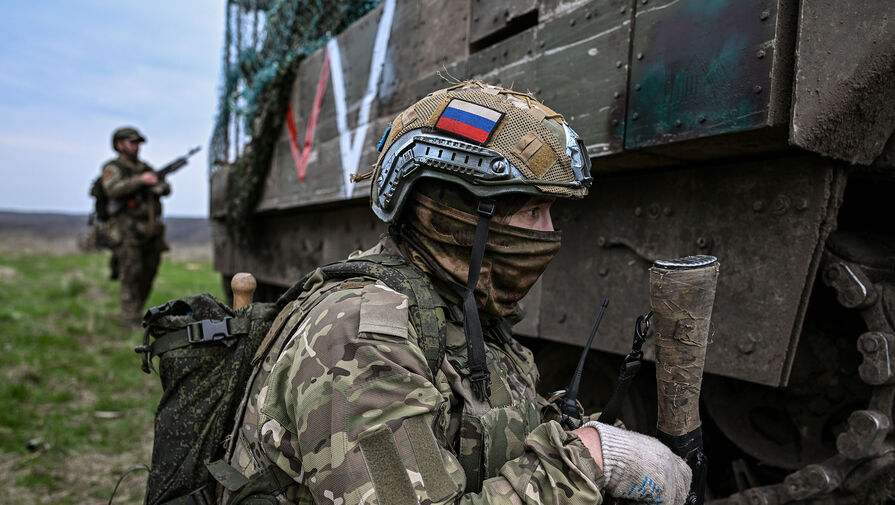
Russia
is entering a new phase of political and military tension following the end of
the previously announced ceasefire regime and amid increasing external
sanctions pressure. One of the key developments in recent days was a statement
by the Russian Ministry of Defense declaring the end of the ceasefire that had
been in place during the Victory Day celebrations. According to Russian
authorities, after the ceasefire ended, the Armed Forces of the Russian
Federation resumed active combat operations and carried out strikes on
Ukrainian military infrastructure, including airfields and facilities linked to
the military-industrial complex. The Russian side also claims that Ukrainian
Armed Forces committed numerous violations of the ceasefire, arguing that
Ukrainian units continued attacks and shelling throughout the entire period of
the truce.
The situation demonstrates that temporary de-escalation
efforts have so far failed to produce a sustainable political outcome. On the
contrary, short-term pauses are increasingly being used by both sides to
regroup forces and prepare for new stages of confrontation. Additional concern
in Moscow is being driven by the intensification of Ukraine’s
military-technical cooperation with Western countries. Particular attention in
Russian media is given to the agreement between Germany and Ukraine on the
joint production of long-range drones capable of striking targets at distances
of up to 1,500 kilometers. This is viewed as another signal of the long-term
nature of the conflict and the gradual expansion of Ukraine’s
defense-industrial integration with NATO and the EU.
At the same time, Russia is facing a new wave of sanctions
pressure from the West. The European Union has expanded its sanctions lists,
adding new Russian organizations and individuals, as well as imposing
restrictions on several infrastructure facilities, including the ports of
Murmansk and Tuapse. The United Kingdom has also announced additional sanctions
targeting Russian companies and individuals. Despite this, Moscow continues to
project confidence in the resilience of its economy and its ability to adapt to
new restrictions. Russian analysts increasingly speak about the formation of a
“long-pressure economy”, in which sanctions become a permanent structural
factor shaping state policy and business activity.
Against this backdrop, the Kremlin is seeking to intensify
cooperation with countries in the Middle East and Asia. A key diplomatic
development has been the entry into force of a visa-free regime agreement
between Russia and Saudi Arabia. The Russian Foreign Ministry emphasizes that
tourism and business exchanges between the two countries have grown
significantly over the past year, and Moscow expects further increases in
tourist flows and investment activity. Economic analysts suggest that Russia is
attempting to offset the partial loss of European markets by expanding ties
with Gulf states, which are increasingly becoming sources of investment, export
destinations, and political partners amid confrontation with the West.
Another sensitive issue remains the situation in Tuapse and
oil infrastructure facilities on the Black Sea. Following a series of drone
strikes on the oil terminal and refinery in the region, cleanup operations
continue to address fire damage and marine pollution. Russian authorities
officially seek to downplay the scale of the damage, but environmental risks
and threats to export logistics are becoming increasingly visible. Experts note
that strikes on energy infrastructure are gradually turning into one of the key
elements of modern warfare of attrition, where the target is not only military
capability but also the economic potential of the adversary.
Overall, the developments indicate that Russia is entering a period of prolonged geopolitical confrontation, where military events are closely intertwined with sanctions pressure, energy-related risks, and attempts to restructure external economic relations. At the same time, domestic authorities are seeking to maintain an image of stability and control while simultaneously increasing the mobilization of resources for long-term foreign policy and military objectives.


 Latest news
Latest news
Latest newsBulgaria Asks NATO to Strengthen Its Defences Amid Black Sea Threats: Sofia Fears Growing Risks to Maritime Shipping
16.Oct.2026
Black Sea Shipping Risks Threaten Bulgaria’s 5 Million Tonnes of Wheat Exports
15.Oct.2026
Georgia’s Foreign Funding and Political Ban Laws Draw Criticism from the Venice Commission
15.Oct.2026
Kazakhstan Promotes a Caspian Green Energy Corridor: Astana Seeks New Routes to the European Market
14.Oct.2026
Inflation in Romania Accelerates to 6.61%: Rising Prices Increase Pressure on Households and the Economy
13.Oct.2026
Can Europe Protect the International Criminal Court from Trump’s Sanctions?
13.Oct.2026
Georgia’s Constitutional Court Continues Case on Banning Opposition Parties: Political Pluralism at Stake
12.Oct.2026
Azerbaijan and Iran Step Up Security Contacts Amid Hijab Protests
12.Oct.2026
Personnel Shortages Complicate Ukrainian Forces’ Rotation: Ukraine Faces Long-Term Challenges on the Front Line
11.Oct.2026
Trump Eases Sanctions on Russian Fuel After Talks with Putin: Kyiv Fears Boost to Moscow’s War Revenues
10.Oct.2026
Putin Seeks to Strengthen Russia’s Influence in the Post-Soviet Space Through the CIS
10.Oct.2026
Russia and the South Caucasus: External Pressure, Political Competition and a Crisis of Trust
10.Oct.2026
Peaceful Settlement Between Armenia and Azerbaijan: Moving from Declarations to Implementation
10.Oct.2026
Moldova Ready to Accept as Many Ukrainians as Necessary if Situation Worsens This Winter
09.Oct.2026
Turkmenistan Turns Avaza into a Regional Diplomatic Hub as Caspian, Central Asian and CIS Agendas Converge
08.Oct.2026