
 17 Oct 2026









Zelensky Responds to Moscow with Irony Amid Three-Day Ceasefire
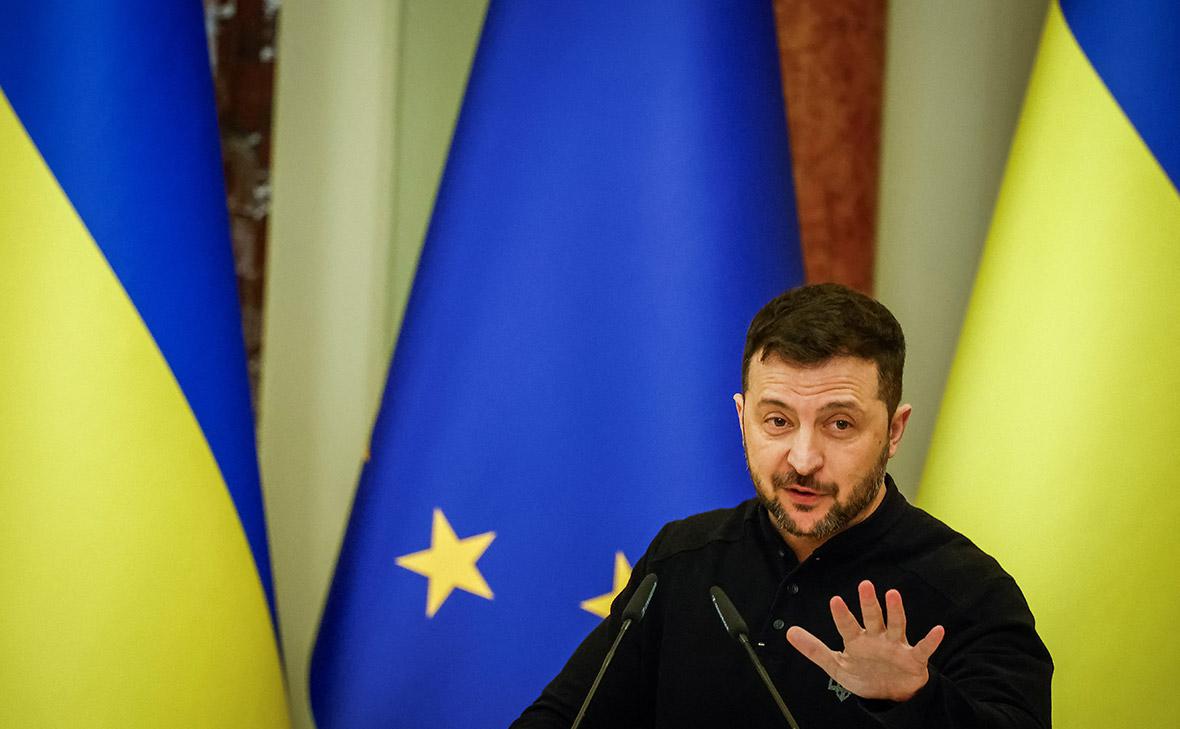
Following
the agreement on a three-day ceasefire on May 9, 10, and 11, brokered with the
mediation of Donald Trump, Ukrainian President Volodymyr Zelensky displayed
unexpected humor and sharp irony toward Moscow. On the evening of May 8, a
decree was published on the official website of the Office of the President of
Ukraine, which, in essence, “permits” a parade to be held in the Russian
capital on May 9.
“Considering numerous requests, for humanitarian purposes outlined in negotiations with the American side on March 8, I decree to allow a parade to be held in the city of Moscow (RF) on May 9”, Zelensky wrote. The document even specifies the exact coordinates of Red Square, while the territory is formally “temporarily excluded from plans for the use of Ukrainian weapons”.
The move comes against a complex backdrop of shifting
ceasefire dynamics. Initially, Russia announced a one- or two-day ceasefire on
May 8–9 to allow the Moscow parade and urged Ukraine to comply, warning that
failure to do so would result in powerful missile strikes on Kyiv. Ukraine at
first rejected this limited truce, insisting on a genuine cessation of
hostilities rather than a brief pause for Moscow’s parade. President Zelensky
later proposed beginning the ceasefire on May 6, but Russian strikes on
Ukrainian cities that day — claimed by analysts as a demonstration of Russia
asserting initiative — resulted in dozens of civilian casualties.
Following these violations, Kyiv stated that it no longer
considered itself bound by the ceasefire announced by Moscow. Amid rising
tensions and the potential for Ukrainian drones to appear over the Moscow
parade on May 9, a compromise was eventually reached with U.S. mediation: the
ceasefire would start later than Ukraine initially proposed but would last
longer than Russia had originally planned.
The United States and international partners are closely
monitoring these developments, viewing Kyiv’s actions as an example of
diplomatic creativity and psychological strategy aimed at strengthening its
negotiating position.
Experts assess Zelensky’s decree as a
strategic psychological move, combining measured diplomacy with a subtle yet
unmistakable display of strength and self-irony. In the context of the
three-day truce, such symbolic gestures carry particular weight, signaling
Ukraine’s readiness to negotiate while simultaneously emphasizing its resolve
on security and sovereignty issues.
Analysts note that the publication of the decree serves not only as a political signal to Moscow but also as a tool for reinforcing domestic support amid the ongoing conflict. According to specialists, such maneuvers create room for diplomatic flexibility, blending humor with a serious demonstration of control over strategic initiatives.


 Latest news
Latest news
Latest newsBulgaria Asks NATO to Strengthen Its Defences Amid Black Sea Threats: Sofia Fears Growing Risks to Maritime Shipping
16.Oct.2026
Black Sea Shipping Risks Threaten Bulgaria’s 5 Million Tonnes of Wheat Exports
15.Oct.2026
Georgia’s Foreign Funding and Political Ban Laws Draw Criticism from the Venice Commission
15.Oct.2026
Kazakhstan Promotes a Caspian Green Energy Corridor: Astana Seeks New Routes to the European Market
14.Oct.2026
Inflation in Romania Accelerates to 6.61%: Rising Prices Increase Pressure on Households and the Economy
13.Oct.2026
Can Europe Protect the International Criminal Court from Trump’s Sanctions?
13.Oct.2026
Georgia’s Constitutional Court Continues Case on Banning Opposition Parties: Political Pluralism at Stake
12.Oct.2026
Azerbaijan and Iran Step Up Security Contacts Amid Hijab Protests
12.Oct.2026
Personnel Shortages Complicate Ukrainian Forces’ Rotation: Ukraine Faces Long-Term Challenges on the Front Line
11.Oct.2026
Trump Eases Sanctions on Russian Fuel After Talks with Putin: Kyiv Fears Boost to Moscow’s War Revenues
10.Oct.2026
Putin Seeks to Strengthen Russia’s Influence in the Post-Soviet Space Through the CIS
10.Oct.2026
Russia and the South Caucasus: External Pressure, Political Competition and a Crisis of Trust
10.Oct.2026
Peaceful Settlement Between Armenia and Azerbaijan: Moving from Declarations to Implementation
10.Oct.2026
Moldova Ready to Accept as Many Ukrainians as Necessary if Situation Worsens This Winter
09.Oct.2026
Turkmenistan Turns Avaza into a Regional Diplomatic Hub as Caspian, Central Asian and CIS Agendas Converge
08.Oct.2026