
 17 Oct 2026









Athens and Doha Expand Strategic Partnership Amid Energy and Security Realignments
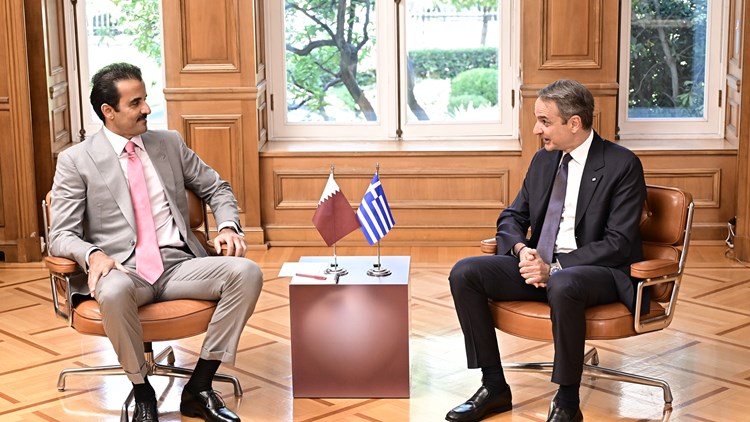
Greece
and Qatar have agreed to expand
their cooperation across several strategically important areas — energy,
trade, and defence. Essentially, this is not merely a political rapprochement
but the formation of a more stable economic and strategic partnership in which
Doha is viewed as one of the key investors in Greek infrastructure. Particular
emphasis has been placed on potential investments in transport projects, energy
facilities, and logistics hubs, which aligns with Athens’ broader strategy of
attracting capital from Gulf countries to accelerate economic modernisation.
The energy component of the cooperation appears to be the
most sensitive, given Qatar’s role as one of the world’s largest exporters of
liquefied natural gas. For Greece, this could mean strengthened energy security
and diversification of supply sources, which is especially important amid
global market instability and the ongoing transformation of Europe’s energy
mix. In the trade and investment dimension, the focus is on expanding the
presence of Qatari funds in the Greek economy, primarily in infrastructure,
real estate, and strategic sectors where Athens has traditionally sought
external financing.
The defence aspect of the agreements is also significant,
reflecting a broader trend of strengthening ties between Europe and Gulf states
in the context of a changing security architecture. For Greece, this also fits
into its long-term strategy of reinforcing its position in the Eastern
Mediterranean and balancing regional risks.
At the same time, discussions in Athens regarding the
future of European defence policy are intensifying. Greece supports the idea of
a more active role for the European Union in security affairs, including the
development of autonomous defence capabilities and deeper coordination among
member states. In this context, particular importance is attached to
cooperation with France, which is one of the main proponents of strengthening
the EU’s strategic autonomy and already maintains bilateral defence agreements
with Greece.
Taken together, these developments reflect Athens’ attempt
to simultaneously strengthen external investment ties outside the EU and enhance
its influence within the European security architecture, pursuing a more
flexible and multi-vector foreign policy in the context of growing geopolitical
competition in the region.
Researcher and consultant,
Nicholas Georgiou


 Latest news
Latest news
Latest newsBulgaria Asks NATO to Strengthen Its Defences Amid Black Sea Threats: Sofia Fears Growing Risks to Maritime Shipping
16.Oct.2026
Black Sea Shipping Risks Threaten Bulgaria’s 5 Million Tonnes of Wheat Exports
15.Oct.2026
Georgia’s Foreign Funding and Political Ban Laws Draw Criticism from the Venice Commission
15.Oct.2026
Kazakhstan Promotes a Caspian Green Energy Corridor: Astana Seeks New Routes to the European Market
14.Oct.2026
Inflation in Romania Accelerates to 6.61%: Rising Prices Increase Pressure on Households and the Economy
13.Oct.2026
Can Europe Protect the International Criminal Court from Trump’s Sanctions?
13.Oct.2026
Georgia’s Constitutional Court Continues Case on Banning Opposition Parties: Political Pluralism at Stake
12.Oct.2026
Azerbaijan and Iran Step Up Security Contacts Amid Hijab Protests
12.Oct.2026
Personnel Shortages Complicate Ukrainian Forces’ Rotation: Ukraine Faces Long-Term Challenges on the Front Line
11.Oct.2026
Trump Eases Sanctions on Russian Fuel After Talks with Putin: Kyiv Fears Boost to Moscow’s War Revenues
10.Oct.2026
Putin Seeks to Strengthen Russia’s Influence in the Post-Soviet Space Through the CIS
10.Oct.2026
Russia and the South Caucasus: External Pressure, Political Competition and a Crisis of Trust
10.Oct.2026
Peaceful Settlement Between Armenia and Azerbaijan: Moving from Declarations to Implementation
10.Oct.2026
Moldova Ready to Accept as Many Ukrainians as Necessary if Situation Worsens This Winter
09.Oct.2026
Turkmenistan Turns Avaza into a Regional Diplomatic Hub as Caspian, Central Asian and CIS Agendas Converge
08.Oct.2026