
 17 Oct 2026









Kazakhstan Tightens Control: A New Model of Economic Regulation
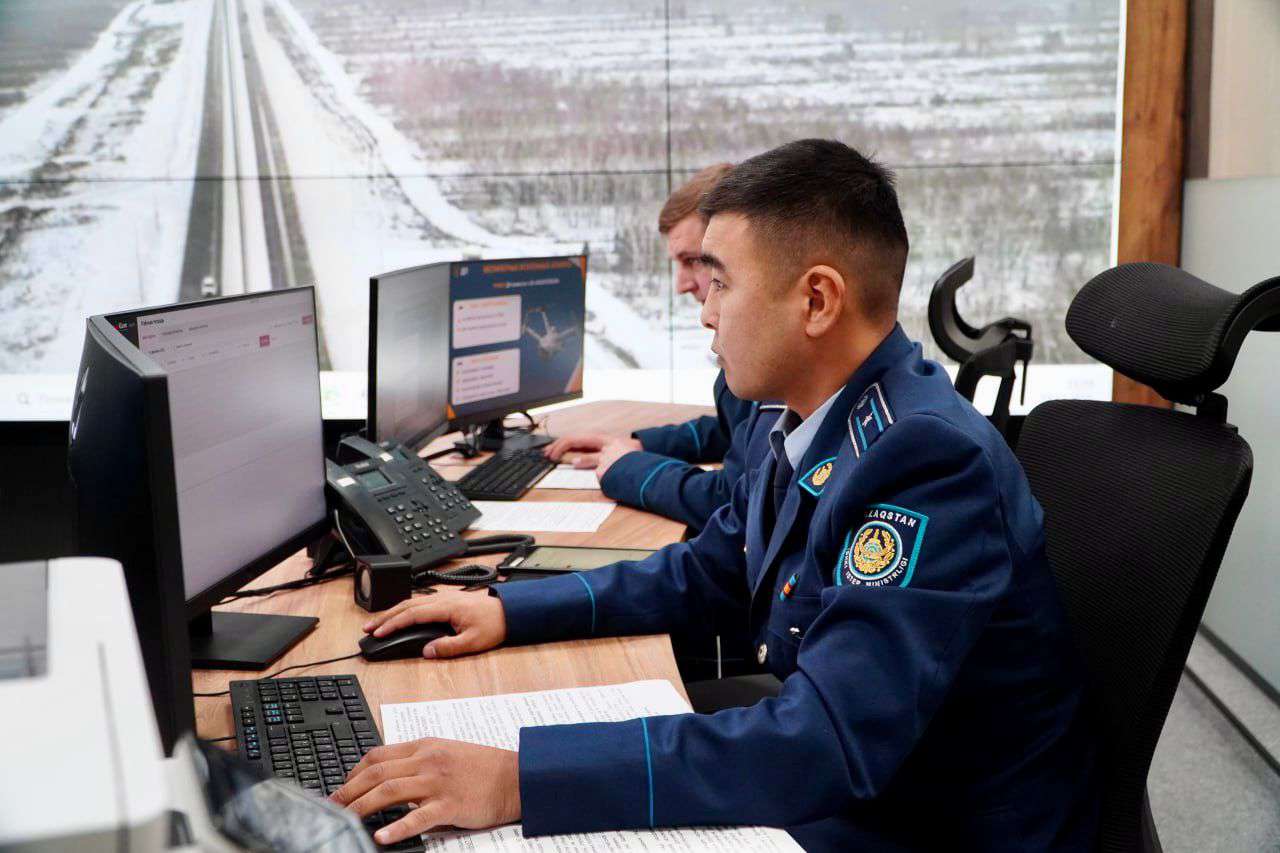
Starting in May 2026, Kazakhstan will implement a package of economic and regulatory changes that signals a shift toward a more stringent model of state control over financial flows and strategic resources. The new measures cover several sensitive areas, ranging from digital assets to everyday financial transactions.
One of the key developments is the introduction of
comprehensive regulation of cryptocurrencies and digital assets. The
authorities aim to bring this sector out of the “grey zone” by establishing
clear rules for circulation, taxation, and oversight. This involves not only
the legalization of certain operations but also the creation of a monitoring
system capable of tracking transactions and reducing risks associated with
money laundering and capital flight.
At the same time, oversight of mobile transfers — one of
the most widely used tools for daily transactions — is being strengthened. Tax
authorities are being granted expanded powers to analyze transaction activity.
In cases where signs of informal business activity or discrepancies between
income and spending are identified, individuals will receive notifications
requesting clarification. This approach is effectively aimed at reducing the
shadow economy, a significant portion of which operates through informal
transfers.
 Kazakhstan moves to full regulation of digital assets and the crypto market
An additional component of the new policy is the
introduction of restrictions on the export of raw materials, including oil,
gas, and metals. These measures reflect the government’s intention to tighten
control over export flows and protect the domestic market amid global
volatility. More broadly, they point to a strengthening of the state’s role in
managing strategic sectors of the economy.
Experts note that these steps align with a
broader trend of gradually tightening economic regulation. On the one hand, the
government seeks to increase financial transparency, expand the tax base, and
reduce informal employment. On the other hand, such measures may raise concerns
among small businesses and self-employed individuals, for whom increased
oversight could mean higher administrative burdens and risks.
As a result, a new model of economic policy is taking shape — one that prioritizes not only growth but also control and manageability. Increased oversight of financial flows, digital assets, and resource exports indicates the state’s intention to build a more centralized and predictable system capable of responding more effectively to both domestic and external economic challenges.


 Latest news
Latest news
Latest newsBulgaria Asks NATO to Strengthen Its Defences Amid Black Sea Threats: Sofia Fears Growing Risks to Maritime Shipping
16.Oct.2026
Black Sea Shipping Risks Threaten Bulgaria’s 5 Million Tonnes of Wheat Exports
15.Oct.2026
Georgia’s Foreign Funding and Political Ban Laws Draw Criticism from the Venice Commission
15.Oct.2026
Kazakhstan Promotes a Caspian Green Energy Corridor: Astana Seeks New Routes to the European Market
14.Oct.2026
Inflation in Romania Accelerates to 6.61%: Rising Prices Increase Pressure on Households and the Economy
13.Oct.2026
Can Europe Protect the International Criminal Court from Trump’s Sanctions?
13.Oct.2026
Georgia’s Constitutional Court Continues Case on Banning Opposition Parties: Political Pluralism at Stake
12.Oct.2026
Azerbaijan and Iran Step Up Security Contacts Amid Hijab Protests
12.Oct.2026
Personnel Shortages Complicate Ukrainian Forces’ Rotation: Ukraine Faces Long-Term Challenges on the Front Line
11.Oct.2026
Trump Eases Sanctions on Russian Fuel After Talks with Putin: Kyiv Fears Boost to Moscow’s War Revenues
10.Oct.2026
Putin Seeks to Strengthen Russia’s Influence in the Post-Soviet Space Through the CIS
10.Oct.2026
Russia and the South Caucasus: External Pressure, Political Competition and a Crisis of Trust
10.Oct.2026
Peaceful Settlement Between Armenia and Azerbaijan: Moving from Declarations to Implementation
10.Oct.2026
Moldova Ready to Accept as Many Ukrainians as Necessary if Situation Worsens This Winter
09.Oct.2026
Turkmenistan Turns Avaza into a Regional Diplomatic Hub as Caspian, Central Asian and CIS Agendas Converge
08.Oct.2026