
 17 Oct 2026









The Resumption of the “Druzhba” pipeline Strengthens Europe’s Energy Resilience
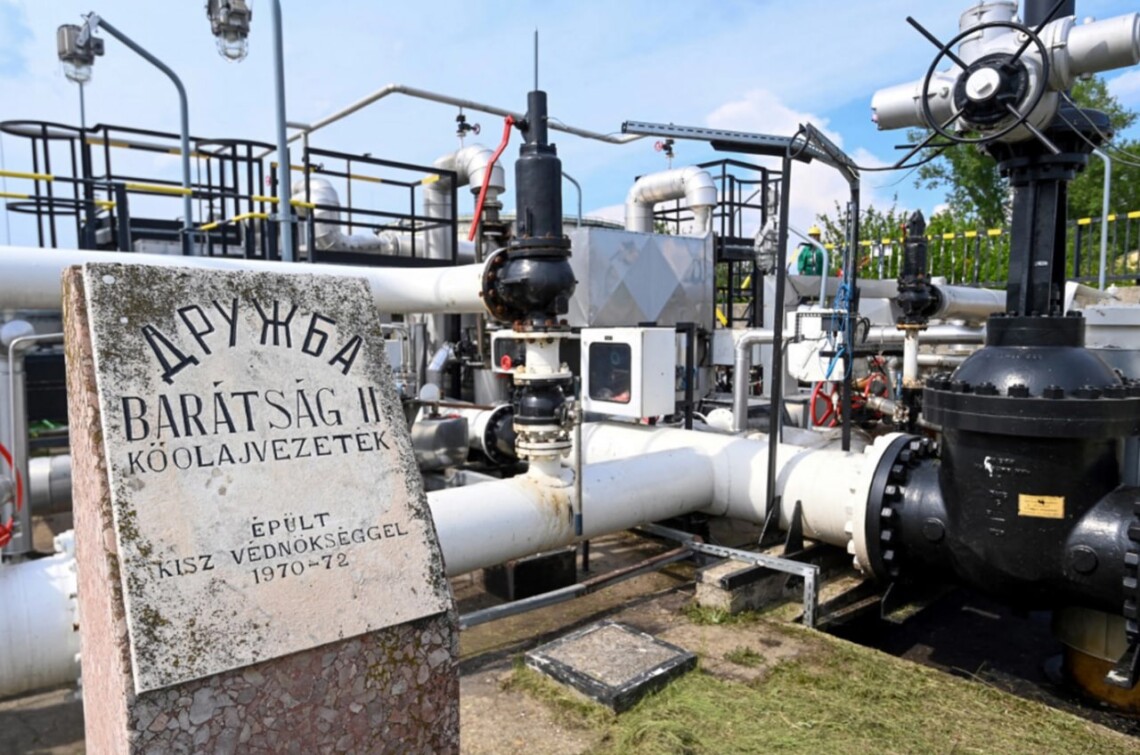
Oil deliveries to Slovakia via the “Druzhba” pipeline
resumed in the early hours of April 23 after a nearly three-month interruption,
which had become one of the most acute episodes of energy and political tension
in Europe amid the war in Ukraine. According to the Slovak Ministry of Economy,
the intake of crude oil began at around 2 a.m., effectively confirming the
restoration of transit through Ukrainian territory.
The disruption, which lasted since late January, was linked
to infrastructure damage following strikes that Kyiv attributes to Russia.
Ukraine cited the need for repairs as the reason for the halt, while Hungary
and Slovakia accused Kyiv of politically delaying the resumption of transit.
The restart of oil flows carries not only energy but also
clear political significance. Almost immediately after supplies resumed,
Budapest lifted its veto on a key European Union aid package for Ukraine worth
approximately €90 billion, which had previously been blocked due to the dispute
surrounding the pipeline.
This development highlights how energy issues have
effectively become a tool of leverage within broader European politics. The
situation underscores the close interconnection between energy security,
sanctions policy, and financial support for Kyiv.
By the end of April, Slovakia is expected to receive around
119,000 tons of oil via the restored route, which should help partially
stabilize the domestic fuel market.
At the same time, the pipeline remains one of the most
politicized pieces of infrastructure in Europe. Despite the European Union’s
strategic course toward reducing dependence on Russian energy resources,
Slovakia and Hungary continue to rely heavily on Russian oil supplies, leaving
them vulnerable to similar disruptions.
As a result, the “Druzhba” pipeline has once again confirmed
its role not merely as a transport artery, but as a key element of Europe’s
geopolitical architecture, where energy directly influences strategic
decision-making.
From an
analytical perspective, the current situation demonstrates several key trends:
energy remains a
crucial lever of influence in the ongoing conflict between Russia and Ukraine,
where even short-term disruptions can affect decision-making at the level of
the European Union.
the crisis has
exposed the structural dependence of certain EU countries on Russian energy
resources, highlighting the difficulty of rapidly diversifying supply despite
political commitments.
the episode has
intensified discussions within the EU about reforming decision-making
mechanisms, as situations in which one or two countries can block strategic
initiatives due to national energy interests continue to draw criticism.
the resumption of
supplies does not signify a full resolution of the crisis, as risks of further
disruptions persist due to both ongoing hostilities and unresolved political
disagreements among Kyiv, Budapest, and Bratislava.
CCBS Expert Group


 Latest news
Latest news
Latest newsBulgaria Asks NATO to Strengthen Its Defences Amid Black Sea Threats: Sofia Fears Growing Risks to Maritime Shipping
16.Oct.2026
Black Sea Shipping Risks Threaten Bulgaria’s 5 Million Tonnes of Wheat Exports
15.Oct.2026
Georgia’s Foreign Funding and Political Ban Laws Draw Criticism from the Venice Commission
15.Oct.2026
Kazakhstan Promotes a Caspian Green Energy Corridor: Astana Seeks New Routes to the European Market
14.Oct.2026
Inflation in Romania Accelerates to 6.61%: Rising Prices Increase Pressure on Households and the Economy
13.Oct.2026
Can Europe Protect the International Criminal Court from Trump’s Sanctions?
13.Oct.2026
Georgia’s Constitutional Court Continues Case on Banning Opposition Parties: Political Pluralism at Stake
12.Oct.2026
Azerbaijan and Iran Step Up Security Contacts Amid Hijab Protests
12.Oct.2026
Personnel Shortages Complicate Ukrainian Forces’ Rotation: Ukraine Faces Long-Term Challenges on the Front Line
11.Oct.2026
Trump Eases Sanctions on Russian Fuel After Talks with Putin: Kyiv Fears Boost to Moscow’s War Revenues
10.Oct.2026
Putin Seeks to Strengthen Russia’s Influence in the Post-Soviet Space Through the CIS
10.Oct.2026
Russia and the South Caucasus: External Pressure, Political Competition and a Crisis of Trust
10.Oct.2026
Peaceful Settlement Between Armenia and Azerbaijan: Moving from Declarations to Implementation
10.Oct.2026
Moldova Ready to Accept as Many Ukrainians as Necessary if Situation Worsens This Winter
09.Oct.2026
Turkmenistan Turns Avaza into a Regional Diplomatic Hub as Caspian, Central Asian and CIS Agendas Converge
08.Oct.2026