
 17 Oct 2026









Nikol Pashinyan stated the need for “surgical” reforms of the justice system and constitutional changes
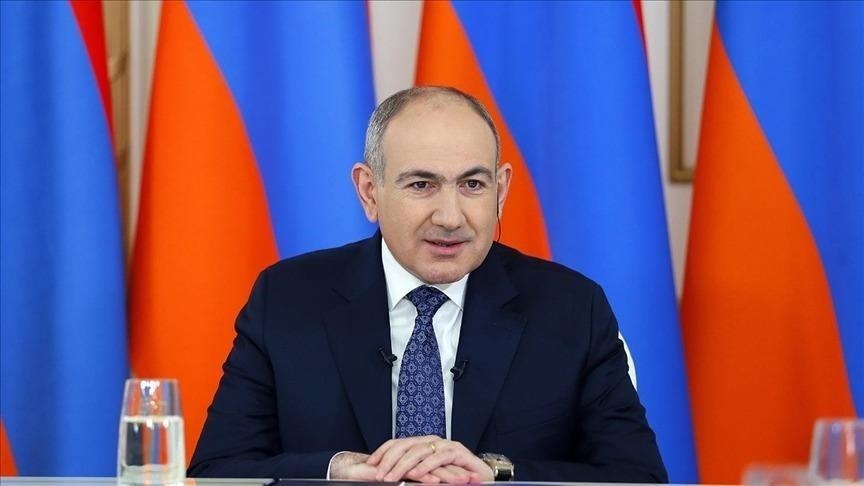
The Prime Minister of Armenia, Nikol Pashinyan, declared the need for radical changes in the justice system, calling its current state “shameful” and requiring urgent intervention. According to him, existing mechanisms no longer function effectively, and the problem must be addressed in a “surgical” manner.
Speaking in the National Assembly of Armenia, Pashinyan noted that the authorities attach particular importance to judicial reform, including the possible introduction of jury trials. He added that various state institutions still retain the influence of a “mafia system”, which, in his words, has “metastases” in parliament, the government, the courts, the prosecutor’s office, investigative bodies, and the police.
“We are fighting the mafia in many areas, and this mafia has its metastases everywhere. Enough of shaking the nerves of the people”, he said.
Pashinyan emphasized that, in his view, the current justice system reproduces itself and lacks sufficient connection with society.
“There is an organic problem: this system is not connected with the people. In the Republic of Armenia, there cannot be a body of power that does not originate from the people”, the Prime Minister noted.
The head of government also acknowledged that during eight years in power, his team has not been able to implement the necessary reforms. He explained this by the impossibility of carrying out changes without revising the Constitution.
“This is impossible without constitutional changes — neither with the current Constitution nor with its amendments”, Pashinyan stated.
At the same time, representatives of the opposition criticized the initiative. MP from the “Armenia” faction, Armen Rustamyan, said that calls for adopting a new Constitution have an external political origin.
“The demand for a new Constitution, no matter how it is presented, comes from Baku”, he noted.
Pashinyan’s statements reflect the authorities’ intention to overcome a prolonged institutional crisis and improve the effectiveness of the justice system through deep reforms, including possible constitutional changes. The emphasis on breaking with “mafia” practices and strengthening the connection between institutions and society indicates an attempt to reinforce state legitimacy and restore public trust. At the same time, criticism from the opposition, including Armen Rustamyan, shows that the reforms will take place amid political competition and will require broad internal consolidation.


 Latest news
Latest news
Latest newsBulgaria Asks NATO to Strengthen Its Defences Amid Black Sea Threats: Sofia Fears Growing Risks to Maritime Shipping
16.Oct.2026
Black Sea Shipping Risks Threaten Bulgaria’s 5 Million Tonnes of Wheat Exports
15.Oct.2026
Georgia’s Foreign Funding and Political Ban Laws Draw Criticism from the Venice Commission
15.Oct.2026
Kazakhstan Promotes a Caspian Green Energy Corridor: Astana Seeks New Routes to the European Market
14.Oct.2026
Inflation in Romania Accelerates to 6.61%: Rising Prices Increase Pressure on Households and the Economy
13.Oct.2026
Can Europe Protect the International Criminal Court from Trump’s Sanctions?
13.Oct.2026
Georgia’s Constitutional Court Continues Case on Banning Opposition Parties: Political Pluralism at Stake
12.Oct.2026
Azerbaijan and Iran Step Up Security Contacts Amid Hijab Protests
12.Oct.2026
Personnel Shortages Complicate Ukrainian Forces’ Rotation: Ukraine Faces Long-Term Challenges on the Front Line
11.Oct.2026
Trump Eases Sanctions on Russian Fuel After Talks with Putin: Kyiv Fears Boost to Moscow’s War Revenues
10.Oct.2026
Putin Seeks to Strengthen Russia’s Influence in the Post-Soviet Space Through the CIS
10.Oct.2026
Russia and the South Caucasus: External Pressure, Political Competition and a Crisis of Trust
10.Oct.2026
Peaceful Settlement Between Armenia and Azerbaijan: Moving from Declarations to Implementation
10.Oct.2026
Moldova Ready to Accept as Many Ukrainians as Necessary if Situation Worsens This Winter
09.Oct.2026
Turkmenistan Turns Avaza into a Regional Diplomatic Hub as Caspian, Central Asian and CIS Agendas Converge
08.Oct.2026