
 17 Oct 2026









- Economic pressure — reducing Ukraine’s export revenues and increasing logistics costs;
- Creating uncertainty for international partners — raising risks for insurance and shipping;
- Signaling to NATO countries — attacks near alliance borders increase the risk of cross-border incidents.
Russian drones strike Danube port: hit on a key Ukrainian export route
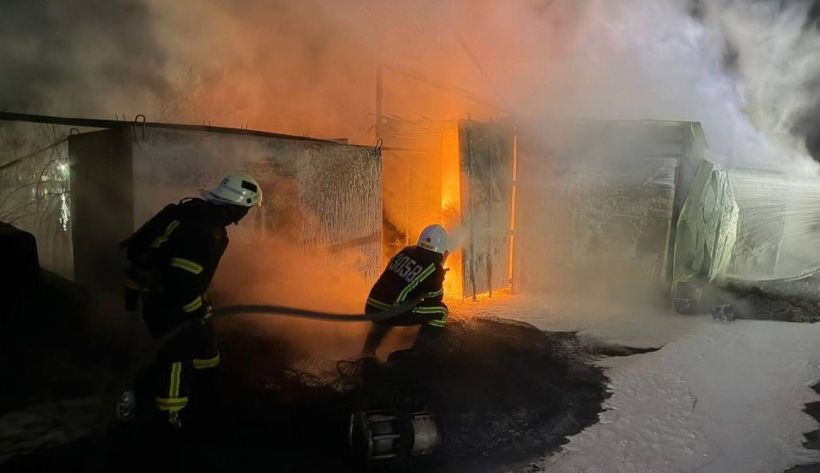
Russian drones targeted port infrastructure in the city of Izmail in Ukraine’s Odesa region overnight on Friday, hitting one of the key hubs of the Danube logistics corridor, Ukrainian officials said.
According to preliminary reports, the attack damaged administrative buildings, warehouses, and railway infrastructure used for cargo handling. Fires that broke out were contained by emergency services. No casualties were reported.
Ukraine’s military said Russia launched more than 170 attack drones and one ballistic missile during the night. Most of the targets were intercepted by air defenses, but some infrastructure facilities were still damaged.
The port of Izmail, located on the Danube River near the Romanian border, has become a critical element of Ukraine’s export infrastructure over the past two years. Following restrictions on Black Sea ports, it has turned into one of the main routes for exporting grain, metals, and other goods.
Romanian authorities said that during the attack, one of the drones briefly violated the country’s airspace. Such incidents have been recorded before and are increasing concern among Ukraine’s allies about security on NATO’s eastern flank.
The strike on Izmail fits into a broader strategy of pressure on Ukraine’s logistics infrastructure. Since 2023, Russia has consistently targeted ports, grain elevators, and transport hubs in an effort to limit Kyiv’s export capacity, particularly in the agricultural sector.
Danube ports, including Izmail and Reni, have gained particular importance after the collapse of grain agreements in the Black Sea. They provide an alternative route via Romania to European ports. According to experts, a significant share of Ukraine’s grain exports passes through this corridor.
These strikes serve several purposes:
At the same time, the effectiveness of such strikes remains limited. Ukraine has adapted its logistics by diversifying routes and strengthening air defenses in port regions. Damage is typically localized and does not lead to a complete shutdown of port operations.
Nevertheless, repeated attacks increase the strain on infrastructure and create long-term risks for the sustainability of export systems. In the longer term, this could affect global grain markets, especially if escalation continues or the geography of strikes expands. An additional factor of tension is the involvement of EU border states. Even brief airspace violations, as in Romania’s case, increase pressure on NATO to strengthen air defense and response systems in the region.


 Latest news
Latest news
Latest newsBulgaria Asks NATO to Strengthen Its Defences Amid Black Sea Threats: Sofia Fears Growing Risks to Maritime Shipping
16.Oct.2026
Black Sea Shipping Risks Threaten Bulgaria’s 5 Million Tonnes of Wheat Exports
15.Oct.2026
Georgia’s Foreign Funding and Political Ban Laws Draw Criticism from the Venice Commission
15.Oct.2026
Kazakhstan Promotes a Caspian Green Energy Corridor: Astana Seeks New Routes to the European Market
14.Oct.2026
Inflation in Romania Accelerates to 6.61%: Rising Prices Increase Pressure on Households and the Economy
13.Oct.2026
Can Europe Protect the International Criminal Court from Trump’s Sanctions?
13.Oct.2026
Georgia’s Constitutional Court Continues Case on Banning Opposition Parties: Political Pluralism at Stake
12.Oct.2026
Azerbaijan and Iran Step Up Security Contacts Amid Hijab Protests
12.Oct.2026
Personnel Shortages Complicate Ukrainian Forces’ Rotation: Ukraine Faces Long-Term Challenges on the Front Line
11.Oct.2026
Trump Eases Sanctions on Russian Fuel After Talks with Putin: Kyiv Fears Boost to Moscow’s War Revenues
10.Oct.2026
Putin Seeks to Strengthen Russia’s Influence in the Post-Soviet Space Through the CIS
10.Oct.2026
Russia and the South Caucasus: External Pressure, Political Competition and a Crisis of Trust
10.Oct.2026
Peaceful Settlement Between Armenia and Azerbaijan: Moving from Declarations to Implementation
10.Oct.2026
Moldova Ready to Accept as Many Ukrainians as Necessary if Situation Worsens This Winter
09.Oct.2026
Turkmenistan Turns Avaza into a Regional Diplomatic Hub as Caspian, Central Asian and CIS Agendas Converge
08.Oct.2026