
 17 Oct 2026









Blockade Instead of a Deal: Why the United States Is Increasing Pressure on Iran After Failed Talks
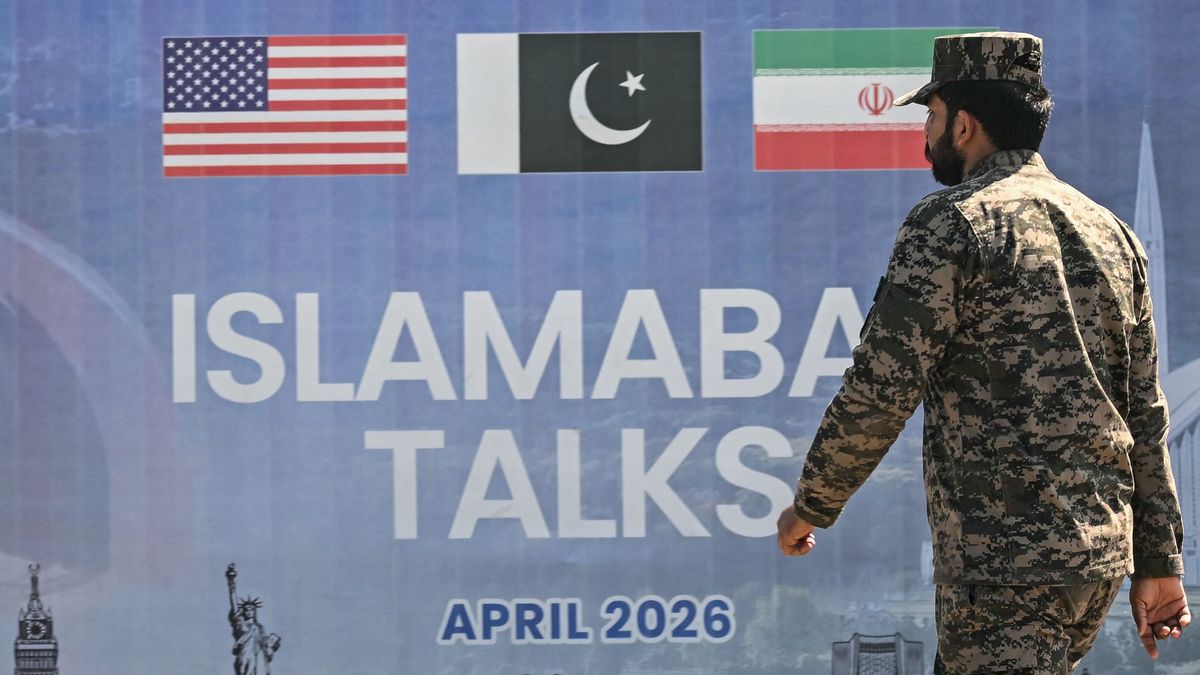
The sharp escalation in tensions between the United States
and Iran became almost inevitable after the collapse of negotiations in
Islamabad, which had been intended to consolidate a fragile truce and outline a
path toward de-escalation. Instead of an agreement, however, the parties
entered a new phase of confrontation, with the United States announcing the
start of a maritime blockade of Iran — already triggering global economic and
political repercussions.
The failure of the talks marked a turning point. Prolonged
negotiations between the two sides ended without results, with key disagreements
centered on Iran’s nuclear program, Tehran’s refusal to halt uranium
enrichment, and Washington’s demands to curb Iran’s regional influence. Iranian
officials accused the United States of imposing “excessive demands” and
shifting conditions during the negotiations, while Washington insisted on the
need for more substantial concessions. As a result, the diplomatic window
effectively closed, giving way to coercive measures.
Beginning on April 13, the United States initiated a
large-scale maritime blockade aimed at halting all sea traffic to and from
Iranian ports. The restrictions apply to all vessels regardless of nationality
if they are heading to Iran or departing from its ports. Although transit
through the Strait of Hormuz formally remains open for ships not linked to
Iran, the blocking of a major oil exporter introduces significant risks to
global trade and energy supply chains.
U.S. President Donald Trump stated that American forces
would intercept vessels interacting with Iran and neutralize naval mines,
effectively adding a military dimension to the operation.
Tehran strongly condemned the move, calling the blockade a
violation of both the truce and international law. Iranian military officials
warned that any hostile actions in the Strait of Hormuz could provoke a
response. Such rhetoric has heightened concerns that the conflict could once
again escalate into active military confrontation, despite recent diplomatic
efforts.
The decision has already had an immediate impact on global
markets. Oil prices surged by more than 7%, surpassing $100 per barrel,
reflecting fears of disrupted supply. Analysts estimate that the blockade could
remove up to 2 million barrels of oil per day from the market—an especially
significant shock for Asian countries that rely heavily on Iranian crude.
Moreover, instability in the region threatens approximately
20% of the world’s oil and gas supplies that pass through the Strait of Hormuz,
making the situation critically important for global energy security.
Despite the harsh
rhetoric, some experts suggest that the blockade may serve not only as a tool
of pressure but also as an attempt to force Iran back to the negotiating table
under more favorable terms for Washington. For now, however, developments point
to a more confrontational trajectory: diplomacy is уступает place to force,
while the region and the global economy remain hostages to intensifying
geopolitical rivalry.


 Latest news
Latest news
Latest newsBulgaria Asks NATO to Strengthen Its Defences Amid Black Sea Threats: Sofia Fears Growing Risks to Maritime Shipping
16.Oct.2026
Black Sea Shipping Risks Threaten Bulgaria’s 5 Million Tonnes of Wheat Exports
15.Oct.2026
Georgia’s Foreign Funding and Political Ban Laws Draw Criticism from the Venice Commission
15.Oct.2026
Kazakhstan Promotes a Caspian Green Energy Corridor: Astana Seeks New Routes to the European Market
14.Oct.2026
Inflation in Romania Accelerates to 6.61%: Rising Prices Increase Pressure on Households and the Economy
13.Oct.2026
Can Europe Protect the International Criminal Court from Trump’s Sanctions?
13.Oct.2026
Georgia’s Constitutional Court Continues Case on Banning Opposition Parties: Political Pluralism at Stake
12.Oct.2026
Azerbaijan and Iran Step Up Security Contacts Amid Hijab Protests
12.Oct.2026
Personnel Shortages Complicate Ukrainian Forces’ Rotation: Ukraine Faces Long-Term Challenges on the Front Line
11.Oct.2026
Trump Eases Sanctions on Russian Fuel After Talks with Putin: Kyiv Fears Boost to Moscow’s War Revenues
10.Oct.2026
Putin Seeks to Strengthen Russia’s Influence in the Post-Soviet Space Through the CIS
10.Oct.2026
Russia and the South Caucasus: External Pressure, Political Competition and a Crisis of Trust
10.Oct.2026
Peaceful Settlement Between Armenia and Azerbaijan: Moving from Declarations to Implementation
10.Oct.2026
Moldova Ready to Accept as Many Ukrainians as Necessary if Situation Worsens This Winter
09.Oct.2026
Turkmenistan Turns Avaza into a Regional Diplomatic Hub as Caspian, Central Asian and CIS Agendas Converge
08.Oct.2026