
 17 Oct 2026









Ceasefire Without Effect: Traffic Through the Strait of Hormuz Remains Paralyzed
Shipping
through the Strait of Hormuz remains virtually paralyzed despite the announced
ceasefire between the United States and Iran, casting doubt on the prospects
for rapid stabilization of global energy markets. According to monitoring data,
traffic intensity has fallen to less than 10% of normal levels: over the past
day, only a handful of vessels transited the strait, compared to more than a
hundred under normal conditions.
Formally, the ceasefire reached in early April envisaged a
gradual restoration of transit; however, in practice, Iran continues to
maintain strict control over the strait. Vessel passage is permitted only with
the approval of Iranian military authorities, and routes are laid close to
Iranian territorial waters due to the threat of mines and ongoing security
risks.
An additional constraint has been the effective quota on
traffic: according to sources, Tehran allows no more than 10–15 vessels per
day, which is several times lower than pre-conflict levels. At the same time,
many international shipping companies and insurers remain reluctant to resume
full operations in the region, awaiting clear security guarantees and
transparent transit rules.
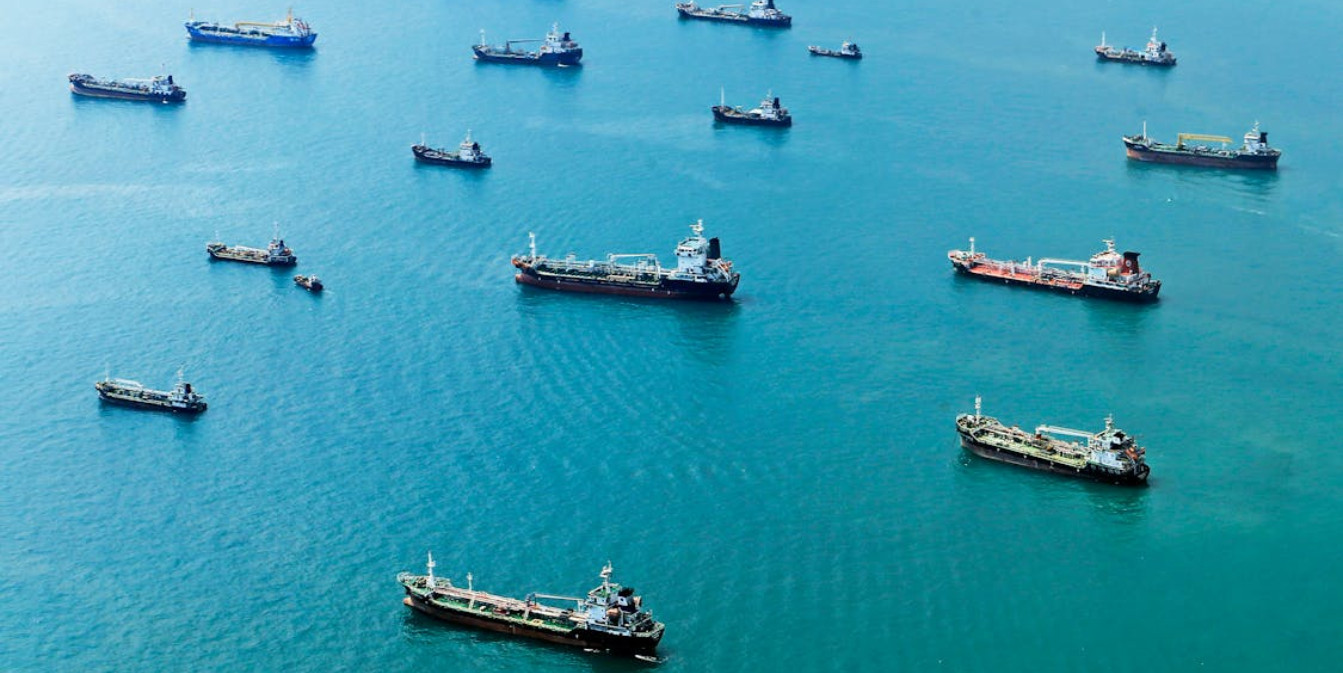
Amid the ongoing restrictions, hundreds of vessels —
including oil and gas tankers — have accumulated in the Persian Gulf,
increasing pressure on global supply chains. It is estimated that under normal
conditions, about one-fifth of the world’s oil passes through the Strait of
Hormuz, so its effective blockage has already led to a sharp rise in prices and
a reduction in supply on the market.
The situation around the strait is increasingly taking on a
political dimension. Iran is not only controlling passage but is also
considering introducing transit fees, which has drawn criticism from
international organizations pointing to violations of the principle of freedom
of navigation. Thus, even after the ceasefire announcement, this key transport
artery remains an instrument of geopolitical pressure.
Overall, the current dynamics suggest that the ceasefire is largely formal and has not yet led to a restoration of normal economic activity. Even with further de-escalation, a return to previous shipping volumes may take weeks or months, while the Strait of Hormuz remains one of the main points of instability in the global energy system.


 Latest news
Latest news
Latest newsBulgaria Asks NATO to Strengthen Its Defences Amid Black Sea Threats: Sofia Fears Growing Risks to Maritime Shipping
16.Oct.2026
Black Sea Shipping Risks Threaten Bulgaria’s 5 Million Tonnes of Wheat Exports
15.Oct.2026
Georgia’s Foreign Funding and Political Ban Laws Draw Criticism from the Venice Commission
15.Oct.2026
Kazakhstan Promotes a Caspian Green Energy Corridor: Astana Seeks New Routes to the European Market
14.Oct.2026
Inflation in Romania Accelerates to 6.61%: Rising Prices Increase Pressure on Households and the Economy
13.Oct.2026
Can Europe Protect the International Criminal Court from Trump’s Sanctions?
13.Oct.2026
Georgia’s Constitutional Court Continues Case on Banning Opposition Parties: Political Pluralism at Stake
12.Oct.2026
Azerbaijan and Iran Step Up Security Contacts Amid Hijab Protests
12.Oct.2026
Personnel Shortages Complicate Ukrainian Forces’ Rotation: Ukraine Faces Long-Term Challenges on the Front Line
11.Oct.2026
Trump Eases Sanctions on Russian Fuel After Talks with Putin: Kyiv Fears Boost to Moscow’s War Revenues
10.Oct.2026
Putin Seeks to Strengthen Russia’s Influence in the Post-Soviet Space Through the CIS
10.Oct.2026
Russia and the South Caucasus: External Pressure, Political Competition and a Crisis of Trust
10.Oct.2026
Peaceful Settlement Between Armenia and Azerbaijan: Moving from Declarations to Implementation
10.Oct.2026
Moldova Ready to Accept as Many Ukrainians as Necessary if Situation Worsens This Winter
09.Oct.2026
Turkmenistan Turns Avaza into a Regional Diplomatic Hub as Caspian, Central Asian and CIS Agendas Converge
08.Oct.2026