
 17 Oct 2026









Tbilisi Brings the Region Closer: The South Caucasus Strengthens Coordination
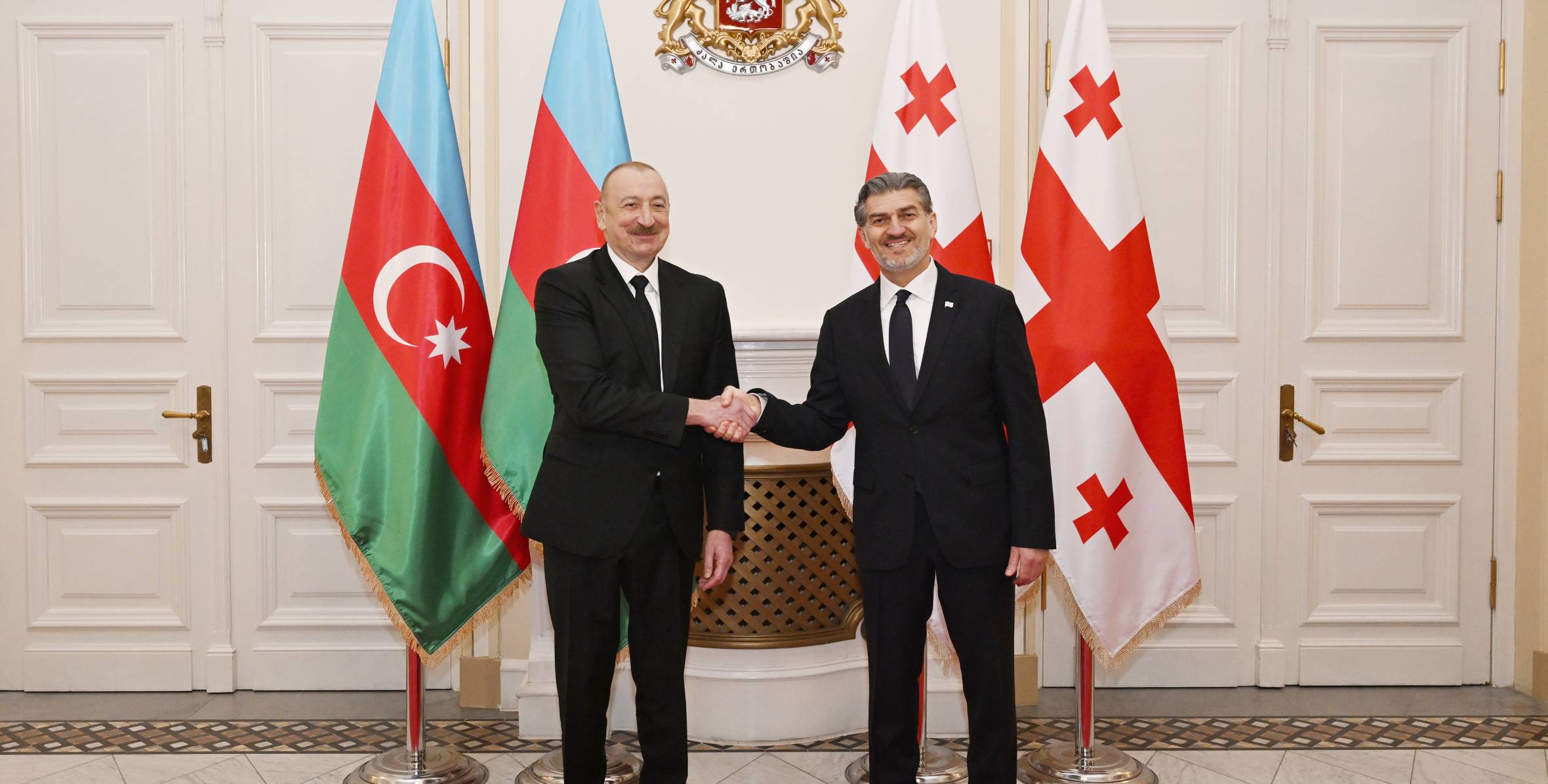
The
visit of Azerbaijani President Ilham Aliyev to Tbilisi was not merely another
diplomatic event, but a reflection of a broader transformation in the South
Caucasus — a gradual rapprochement among the countries of the region amid a
shifting geopolitical balance.
During the state visit, the Azerbaijani leader held talks
with Georgian President Mikheil Kavelashvili and Prime Minister Irakli
Kobakhidze. The discussions focused on bilateral cooperation, including energy,
transport projects, and trade, as well as on regional security and coordination
on the international stage.
However, the key signal of the visit goes beyond the
bilateral agenda. In Tbilisi, there was a clear reaffirmation of a course
toward deeper regional integration without external dominance. In this context,
particular importance was attached to Irakli Kobakhidze’s statement on
Georgia’s readiness to facilitate the peace process between Azerbaijan and
Armenia.
Tbilisi is increasingly positioning itself as a neutral
platform for dialogue between Baku and Yerevan, emphasizing the importance of
cooperation among South Caucasus countries and the development of transport
corridors linking the region with Europe and Asia. This is not only about
economic pragmatism but also about shaping a new security architecture.
Against this backdrop, observers note a gradual weakening
of Russia’s traditional influence in the region. The strengthening of
horizontal ties between Azerbaijan, Georgia, and potentially Armenia indicates
a growing desire among South Caucasus countries to independently shape their
agenda — from economic routes to conflict resolution mechanisms.
Thus, Ilham Aliyev’s visit to Tbilisi can be seen as part of a broader trend: the South Caucasus is gradually consolidating into a self-sufficient geopolitical cluster, increasingly oriented toward internal partnership and coordination rather than external centers of power.


 Latest news
Latest news
Latest newsBulgaria Asks NATO to Strengthen Its Defences Amid Black Sea Threats: Sofia Fears Growing Risks to Maritime Shipping
16.Oct.2026
Black Sea Shipping Risks Threaten Bulgaria’s 5 Million Tonnes of Wheat Exports
15.Oct.2026
Georgia’s Foreign Funding and Political Ban Laws Draw Criticism from the Venice Commission
15.Oct.2026
Kazakhstan Promotes a Caspian Green Energy Corridor: Astana Seeks New Routes to the European Market
14.Oct.2026
Inflation in Romania Accelerates to 6.61%: Rising Prices Increase Pressure on Households and the Economy
13.Oct.2026
Can Europe Protect the International Criminal Court from Trump’s Sanctions?
13.Oct.2026
Georgia’s Constitutional Court Continues Case on Banning Opposition Parties: Political Pluralism at Stake
12.Oct.2026
Azerbaijan and Iran Step Up Security Contacts Amid Hijab Protests
12.Oct.2026
Personnel Shortages Complicate Ukrainian Forces’ Rotation: Ukraine Faces Long-Term Challenges on the Front Line
11.Oct.2026
Trump Eases Sanctions on Russian Fuel After Talks with Putin: Kyiv Fears Boost to Moscow’s War Revenues
10.Oct.2026
Putin Seeks to Strengthen Russia’s Influence in the Post-Soviet Space Through the CIS
10.Oct.2026
Russia and the South Caucasus: External Pressure, Political Competition and a Crisis of Trust
10.Oct.2026
Peaceful Settlement Between Armenia and Azerbaijan: Moving from Declarations to Implementation
10.Oct.2026
Moldova Ready to Accept as Many Ukrainians as Necessary if Situation Worsens This Winter
09.Oct.2026
Turkmenistan Turns Avaza into a Regional Diplomatic Hub as Caspian, Central Asian and CIS Agendas Converge
08.Oct.2026