
 17 Oct 2026









Ukrainian Drones Strike Russia’s Largest Oil Port Again
Ukrainian
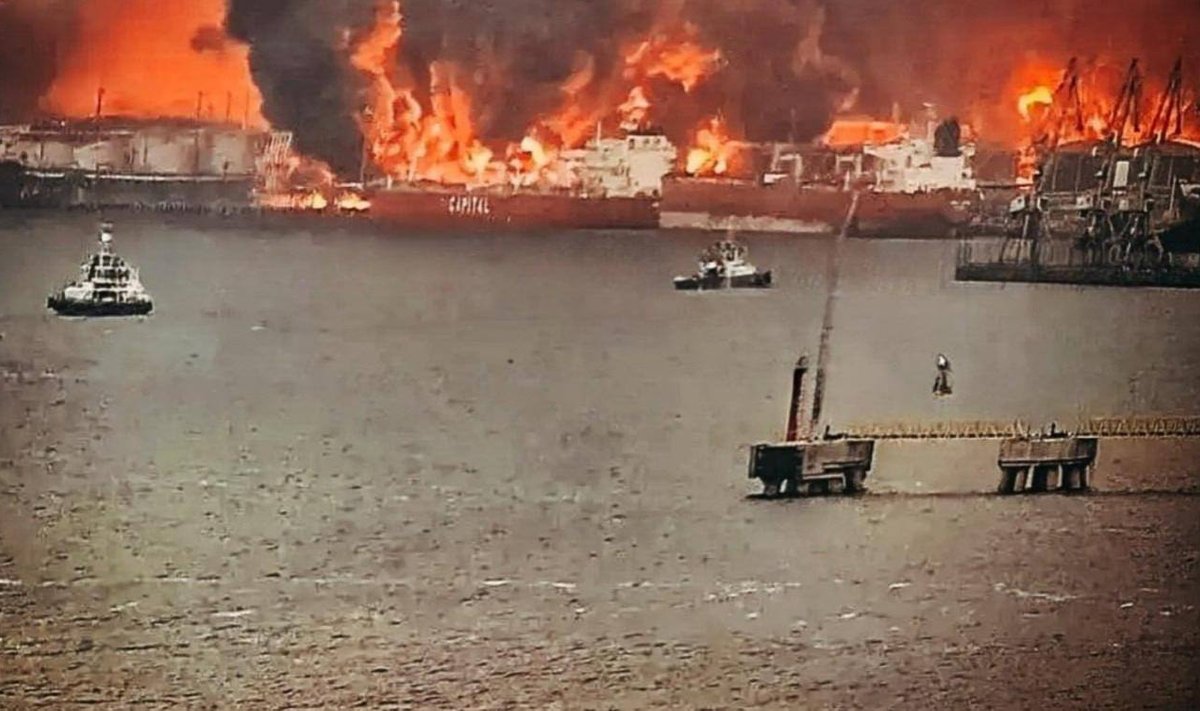
drones have once again targeted Russia’s oil port of Ust-Luga on the Baltic
Sea, increasing pressure on the country’s key export infrastructure and posing
risks to the global energy market.
The attack took place overnight on March 31 and marked the
fifth such strike in the past 10 days, indicating a systematic campaign by Kyiv
to disrupt Russian oil terminals.
According to industry sources, the strike hit an
oil-loading terminal linked to Transneft. The attack damaged infrastructure and
temporarily disrupted port operations.
The governor of the Leningrad region, Alexander Drozdenko,
confirmed that three people were injured, including two children, and that
several buildings were damaged. Authorities said the consequences of the attack
were promptly addressed, with heating and hot water supplies restored.
Ust-Luga is one of Russia’s largest energy hubs, handling
around 700,000 barrels of oil per day and exporting tens of millions of tonnes
of petroleum products annually.
Experts note that a series of attacks on Ust-Luga and other
Baltic ports, including Primorsk, has already caused significant disruptions.
The combined impact of drone strikes and related factors has affected up to 40%
of Russia’s export capacity.
The Kremlin described the attacks as “terrorist” and said
efforts are underway to strengthen the protection of critical infrastructure,
while acknowledging that it is impossible to fully prevent such strikes.
Analysts view these developments as part of Ukraine’s strategy to undermine Russia’s oil revenues — a key source of funding for its military operations. Amid rising global oil prices, such attacks are gaining additional significance, affecting not only military dynamics but also Russia’s economic stability. Overall, the situation points to a new phase of the war, in which the struggle over energy infrastructure and logistics is becoming increasingly central, and deep strikes are turning into a regular tool of pressure.


 Latest news
Latest news
Latest newsBulgaria Asks NATO to Strengthen Its Defences Amid Black Sea Threats: Sofia Fears Growing Risks to Maritime Shipping
16.Oct.2026
Black Sea Shipping Risks Threaten Bulgaria’s 5 Million Tonnes of Wheat Exports
15.Oct.2026
Georgia’s Foreign Funding and Political Ban Laws Draw Criticism from the Venice Commission
15.Oct.2026
Kazakhstan Promotes a Caspian Green Energy Corridor: Astana Seeks New Routes to the European Market
14.Oct.2026
Inflation in Romania Accelerates to 6.61%: Rising Prices Increase Pressure on Households and the Economy
13.Oct.2026
Can Europe Protect the International Criminal Court from Trump’s Sanctions?
13.Oct.2026
Georgia’s Constitutional Court Continues Case on Banning Opposition Parties: Political Pluralism at Stake
12.Oct.2026
Azerbaijan and Iran Step Up Security Contacts Amid Hijab Protests
12.Oct.2026
Personnel Shortages Complicate Ukrainian Forces’ Rotation: Ukraine Faces Long-Term Challenges on the Front Line
11.Oct.2026
Trump Eases Sanctions on Russian Fuel After Talks with Putin: Kyiv Fears Boost to Moscow’s War Revenues
10.Oct.2026
Putin Seeks to Strengthen Russia’s Influence in the Post-Soviet Space Through the CIS
10.Oct.2026
Russia and the South Caucasus: External Pressure, Political Competition and a Crisis of Trust
10.Oct.2026
Peaceful Settlement Between Armenia and Azerbaijan: Moving from Declarations to Implementation
10.Oct.2026
Moldova Ready to Accept as Many Ukrainians as Necessary if Situation Worsens This Winter
09.Oct.2026
Turkmenistan Turns Avaza into a Regional Diplomatic Hub as Caspian, Central Asian and CIS Agendas Converge
08.Oct.2026