
 17 Oct 2026









- One is a strategy of attrition. Russian commanders may be counting on a prolonged war of exhaustion, assuming that the country’s economic and demographic resources will allow it to sustain a long conflict.
- Another factor is sustained pressure on the front line. Constant assault operations force Ukrainian troops to maintain large defensive deployments and expend significant resources.
- Political considerations may also play a role, as even small territorial gains can be used to demonstrate progress domestically and internationally.
Russian Battlefield Losses Outpace Recruitment
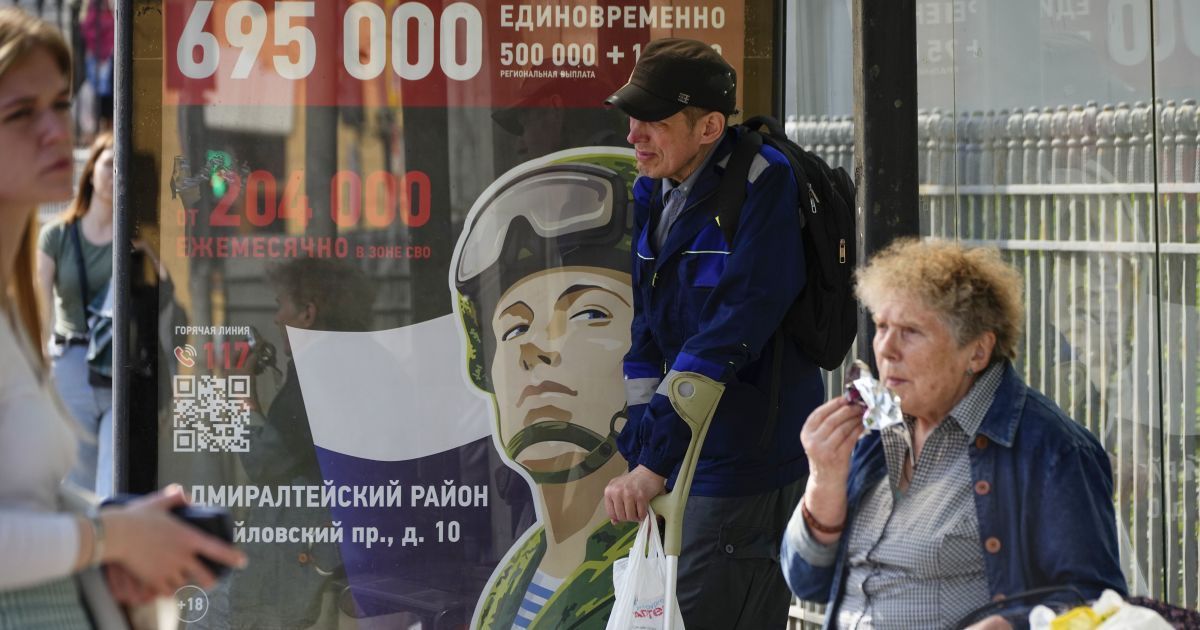
The Commander-in-Chief of the Armed Forces of Ukraine, Oleksandr Syrskyi, stated that over the past three months the Russian army has been losing more troops on the battlefield than it is able to replace through the recruitment of new contract soldiers and mobilization reserves.
According to the Ukrainian general, Russian forces continue to conduct active offensive operations along the front line; however, the level of casualties remains high and exceeds the rate at which the army is being replenished.
“The Kremlin has no intention of halting offensive operations despite significant losses that have exceeded the army’s replacement rate for three consecutive months”, Syrskyi noted.
The statement comes as the war enters its fourth year and debates intensify over whether Russia is capable of sustaining the current pace of military operations.
According to Ukrainian military officials and Western analysts, the front line remains relatively stable, but the fighting is characterized by intense artillery duels, the widespread use of drones, and localized assault operations.
In several areas, Russian forces continue attempting to advance, particularly in eastern Ukraine. At the same time, the Ukrainian side says that strikes on logistics routes and command posts are slowing the advance of Russian units. Ukrainian intelligence previously reported disrupting a Russian attack in one sector of the Zaporizhzhia region after a series of strikes on military columns and ammunition depots forced Russian forces to reduce the intensity of their assaults.
According to Ukrainian sources, Russian losses remain significant. Some estimates suggest that tens of thousands of soldiers are put out of action every month. Ukrainian analysts argue that the extensive use of drones, precision artillery systems, and strikes against military equipment is increasing the level of casualties, especially among assault units.
Earlier, Ukrainian intelligence reported that Russia had been recruiting tens of thousands of new contract soldiers every month, which until recently allowed it to compensate for battlefield losses. However, according to Syrskyi, current casualty figures may now exceed recruitment rates.
Despite the high losses, Russia continues its offensive operations. Military experts suggest several factors may explain this approach:
Syrskyi’s statement followed talks with representatives of the Swedish military leadership, which, according to him, confirmed the strategic nature of cooperation between Kyiv and Sweden. Sweden is considered one of Ukraine’s key European partners in defense matters, including the supply of weapons, military training, and joint projects in the defense industry.
Military experts note that if the trend continues, it could lead to a decline in the quality of newly formed units, an increase in the proportion of poorly trained soldiers, and a heavier burden on existing forces. In the long term, such an imbalance could complicate the ability to conduct large-scale offensive operations for Russia.


 Latest news
Latest news
Latest newsBulgaria Asks NATO to Strengthen Its Defences Amid Black Sea Threats: Sofia Fears Growing Risks to Maritime Shipping
16.Oct.2026
Black Sea Shipping Risks Threaten Bulgaria’s 5 Million Tonnes of Wheat Exports
15.Oct.2026
Georgia’s Foreign Funding and Political Ban Laws Draw Criticism from the Venice Commission
15.Oct.2026
Kazakhstan Promotes a Caspian Green Energy Corridor: Astana Seeks New Routes to the European Market
14.Oct.2026
Inflation in Romania Accelerates to 6.61%: Rising Prices Increase Pressure on Households and the Economy
13.Oct.2026
Can Europe Protect the International Criminal Court from Trump’s Sanctions?
13.Oct.2026
Georgia’s Constitutional Court Continues Case on Banning Opposition Parties: Political Pluralism at Stake
12.Oct.2026
Azerbaijan and Iran Step Up Security Contacts Amid Hijab Protests
12.Oct.2026
Personnel Shortages Complicate Ukrainian Forces’ Rotation: Ukraine Faces Long-Term Challenges on the Front Line
11.Oct.2026
Trump Eases Sanctions on Russian Fuel After Talks with Putin: Kyiv Fears Boost to Moscow’s War Revenues
10.Oct.2026
Putin Seeks to Strengthen Russia’s Influence in the Post-Soviet Space Through the CIS
10.Oct.2026
Russia and the South Caucasus: External Pressure, Political Competition and a Crisis of Trust
10.Oct.2026
Peaceful Settlement Between Armenia and Azerbaijan: Moving from Declarations to Implementation
10.Oct.2026
Moldova Ready to Accept as Many Ukrainians as Necessary if Situation Worsens This Winter
09.Oct.2026
Turkmenistan Turns Avaza into a Regional Diplomatic Hub as Caspian, Central Asian and CIS Agendas Converge
08.Oct.2026