
 17 Oct 2026









The Hidden Costs of the Apache: Why Sustainment Costs Exceed Production in Modern Military Aviation
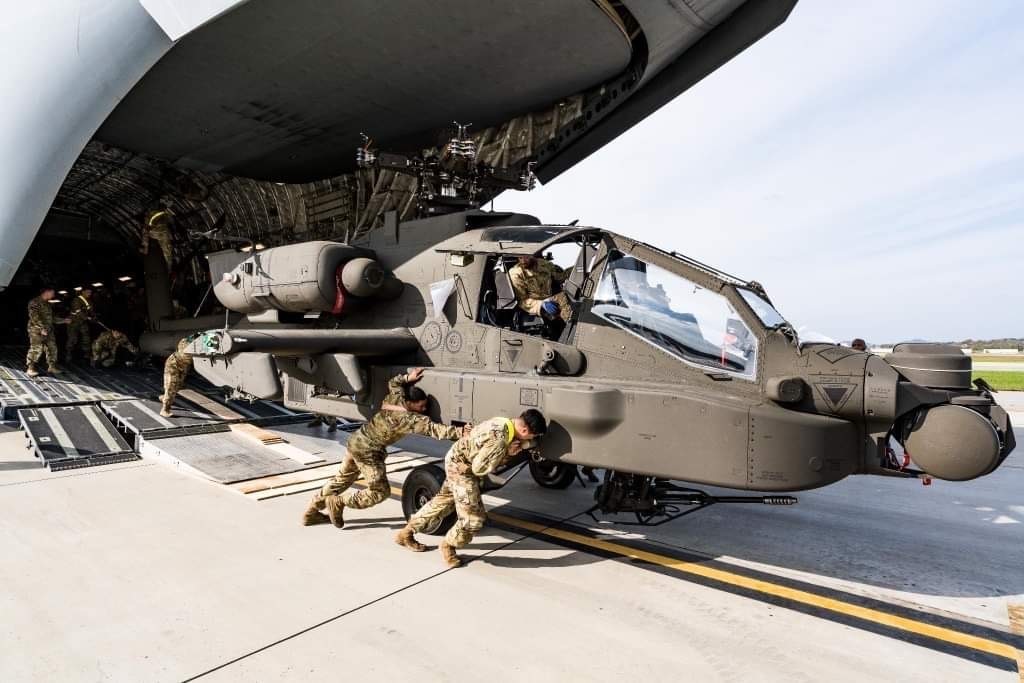
In late 2025, the U.S. Army awarded Boeing a $2.7 billion contract to sustain its Apache AH‑64 attack helicopter fleet — not to build new aircraft, but solely to keep existing ones operational through at least 2030. On the surface, this looks like standard military logistics. But a deeper look reveals a striking paradox: the cost of keeping these helicopters flying now surpasses the cost of producing them, exposing structural challenges in how modern defense platforms are supported and monetized.
At the heart of this issue lies the transformation of military hardware into software‑dependent systems, where the physical airframe is merely the vessel for increasingly complex digital technologies. As one defense analyst described it, the Pentagon today isn’t just paying for rotor blades and engines — it’s essentially buying a subscription to Intellectual Property (IP) that Boeing controls.
This shift has profound implications. Whereas production contracts for new AH‑64E Apache Guardians — valued in billions — still represent the direct purchase of physical assets, sustainment contracts like the latest $2.7 billion deal channel much of the funding into software updates, licensed data access, and proprietary logistics and supply chain management under Boeing’s exclusive control. The physical hardware, which for earlier variants could cost tens of millions per airframe, now constitutes just a portion of the total lifecycle cost, while the software that keeps sensors, fire‑control systems, and battlefield networking functional has become the dominant expense.
This dynamic has created what some commentators call an “iPhone‑ification” of defense platforms: owners hold the physical asset, but the true control resides with the software providers. In the Apache’s case, this means the U.S. Army — and allied customers — remain dependent on Boeing for critical source code and certification to integrate or modify key systems. Attempting to perform upgrades or add new capabilities without the OEM’s blessing risks grounding aircraft or violating safety approvals.
The scale of this corporate lock‑in extends beyond U.S. forces. NATO allies operating Apache fleets face similar constraints: even nations that assemble or localize components cannot circumvent Boeing’s proprietary software restrictions. This effectively ties their combat aviation capabilities to long‑term sustainment agreements under terms controlled by the original manufacturer.
The Pentagon’s sustained spending on these contracts — first the initial multi‑billion build agreements and then repeated support deals — reflects both the Apache’s enduring battlefield relevance and the rising costs of operating highly networked systems. Modern variants like the AH‑64E incorporate advanced sensors, digital connectivity, and manned‑unmanned teaming capabilities that raise their tactical value but also deepen reliance on software ecosystems.
Critically, this trend underscores a broader transformation in defense economics: hardware is becoming commoditized, while software and data‑centric services are where long‑term revenue and control reside. For governments, this raises policy questions about competition, interoperability, and sovereignty over military systems. Defense contractors, in turn, benefit from recurring revenue streams far beyond the initial sale — resembling commercial software licensing more than traditional arms manufacturing.
As global defense forces reevaluate procurement and sustainment strategies — especially amid tightening budgets and evolving threat environments — the Apache paradox stands as a cautionary example. Without structural reforms in acquisition, intellectual property rights, and sustainment innovation, nations risk locking themselves into expensive, protracted dependency on OEM‑controlled support models that outlast the very hardware they bought.


 Latest news
Latest news
Latest newsBulgaria Asks NATO to Strengthen Its Defences Amid Black Sea Threats: Sofia Fears Growing Risks to Maritime Shipping
16.Oct.2026
Black Sea Shipping Risks Threaten Bulgaria’s 5 Million Tonnes of Wheat Exports
15.Oct.2026
Georgia’s Foreign Funding and Political Ban Laws Draw Criticism from the Venice Commission
15.Oct.2026
Kazakhstan Promotes a Caspian Green Energy Corridor: Astana Seeks New Routes to the European Market
14.Oct.2026
Inflation in Romania Accelerates to 6.61%: Rising Prices Increase Pressure on Households and the Economy
13.Oct.2026
Can Europe Protect the International Criminal Court from Trump’s Sanctions?
13.Oct.2026
Georgia’s Constitutional Court Continues Case on Banning Opposition Parties: Political Pluralism at Stake
12.Oct.2026
Azerbaijan and Iran Step Up Security Contacts Amid Hijab Protests
12.Oct.2026
Personnel Shortages Complicate Ukrainian Forces’ Rotation: Ukraine Faces Long-Term Challenges on the Front Line
11.Oct.2026
Trump Eases Sanctions on Russian Fuel After Talks with Putin: Kyiv Fears Boost to Moscow’s War Revenues
10.Oct.2026
Putin Seeks to Strengthen Russia’s Influence in the Post-Soviet Space Through the CIS
10.Oct.2026
Russia and the South Caucasus: External Pressure, Political Competition and a Crisis of Trust
10.Oct.2026
Peaceful Settlement Between Armenia and Azerbaijan: Moving from Declarations to Implementation
10.Oct.2026
Moldova Ready to Accept as Many Ukrainians as Necessary if Situation Worsens This Winter
09.Oct.2026
Turkmenistan Turns Avaza into a Regional Diplomatic Hub as Caspian, Central Asian and CIS Agendas Converge
08.Oct.2026