
 17 Oct 2026









Russia’s Defense Ministry Launches Training Program for “Air Hunters”
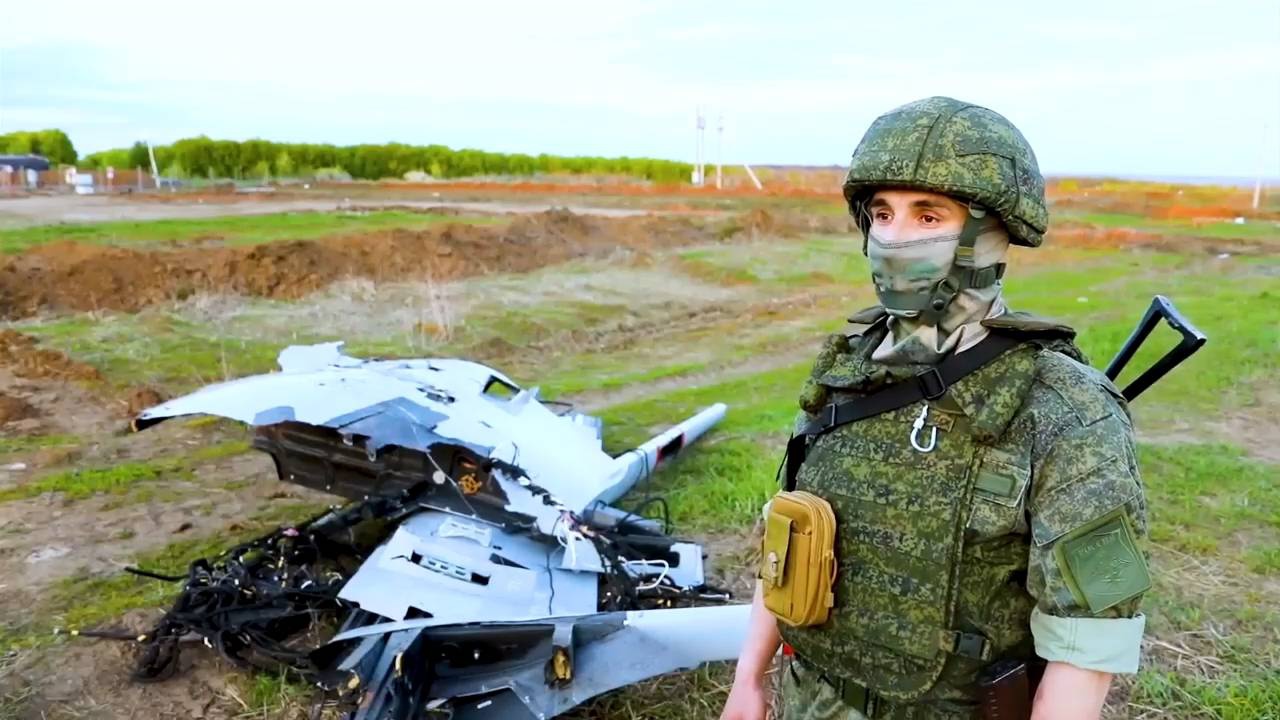
The Russian Ministry of Defense has announced the launch of a new training program for so-called “air hunters” — specialists who will operate drone interception systems and strengthen the country’s air defense capabilities.
According to the Ministry of Defense, the program envisions large-scale training of operators who will control highly maneuverable quadcopters and specialized fixed-wing interceptor drones known as Molniya-PVO. In addition to theoretical instruction, trainees undergo practical exercises on simulators before conducting training flights under the supervision of instructors.

The initiative is aimed at expanding Russia’s ability to counter unmanned aerial threats, which in recent years have become one of the key elements of combat operations and aerial reconnaissance in the conflict zone in Ukraine and neighboring regions. The newly trained specialists are expected to enhance the defensive capabilities of the Aerospace Forces and air defense troops by improving the detection, tracking, and neutralization of hostile UAVs.
The Defense Ministry emphasizes that the project is intended to create a continuously replenished pool of trained interceptor-drone operators capable of operating both in stationary facility-protection zones and in mobile units tasked with safeguarding airspace.
Experts note that such efforts to develop counter-drone systems reflect a broader global trend: governments and military analysts increasingly view unmanned aerial vehicles as one of the priority threats of the 21st century, requiring specialized personnel and advanced technologies. Examples from Western countries indicate growing demand for the training of entire units of operators and air defense assets to counter reconnaissance and strike drones.


 Latest news
Latest news
Latest newsBulgaria Asks NATO to Strengthen Its Defences Amid Black Sea Threats: Sofia Fears Growing Risks to Maritime Shipping
16.Oct.2026
Black Sea Shipping Risks Threaten Bulgaria’s 5 Million Tonnes of Wheat Exports
15.Oct.2026
Georgia’s Foreign Funding and Political Ban Laws Draw Criticism from the Venice Commission
15.Oct.2026
Kazakhstan Promotes a Caspian Green Energy Corridor: Astana Seeks New Routes to the European Market
14.Oct.2026
Inflation in Romania Accelerates to 6.61%: Rising Prices Increase Pressure on Households and the Economy
13.Oct.2026
Can Europe Protect the International Criminal Court from Trump’s Sanctions?
13.Oct.2026
Georgia’s Constitutional Court Continues Case on Banning Opposition Parties: Political Pluralism at Stake
12.Oct.2026
Azerbaijan and Iran Step Up Security Contacts Amid Hijab Protests
12.Oct.2026
Personnel Shortages Complicate Ukrainian Forces’ Rotation: Ukraine Faces Long-Term Challenges on the Front Line
11.Oct.2026
Trump Eases Sanctions on Russian Fuel After Talks with Putin: Kyiv Fears Boost to Moscow’s War Revenues
10.Oct.2026
Putin Seeks to Strengthen Russia’s Influence in the Post-Soviet Space Through the CIS
10.Oct.2026
Russia and the South Caucasus: External Pressure, Political Competition and a Crisis of Trust
10.Oct.2026
Peaceful Settlement Between Armenia and Azerbaijan: Moving from Declarations to Implementation
10.Oct.2026
Moldova Ready to Accept as Many Ukrainians as Necessary if Situation Worsens This Winter
09.Oct.2026
Turkmenistan Turns Avaza into a Regional Diplomatic Hub as Caspian, Central Asian and CIS Agendas Converge
08.Oct.2026