
 17 Oct 2026









Ukraine, Russia, and the United States Prepare for a New Round of Talks in Abu Dhabi
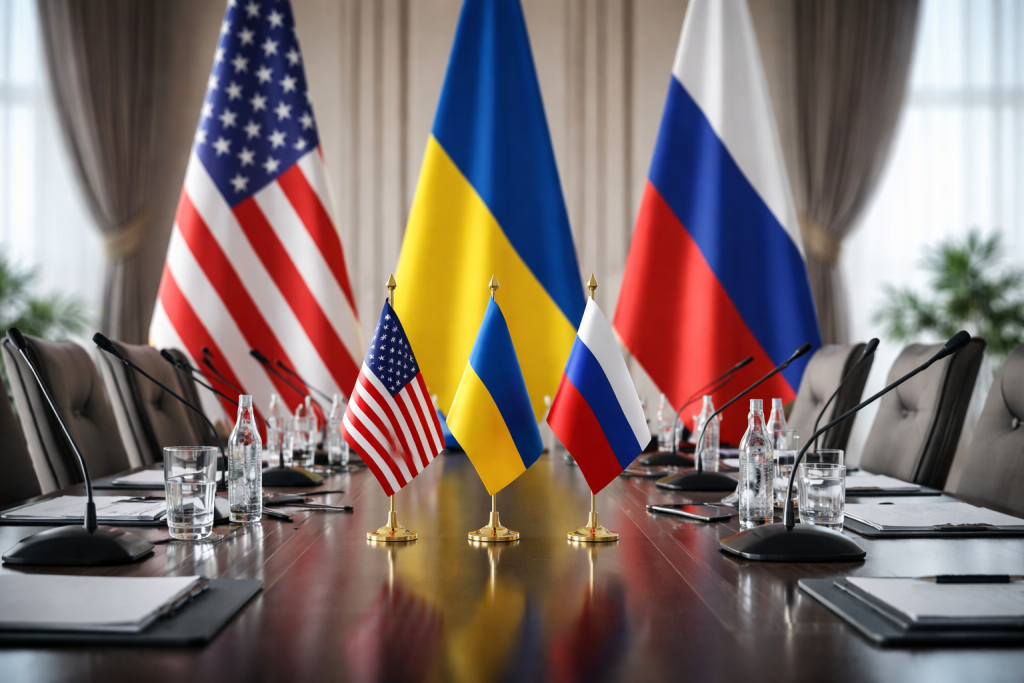
Trilateral peace negotiations between Ukraine, Russia, and the United States, taking place under Washington’s mediation in the capital of the United Arab Emirates, have entered a new phase. Ukrainian President Volodymyr Zelenskyy confirmed that the next round of talks is scheduled for February 4-5 in Abu Dhabi, stressing Kyiv’s readiness to engage in constructive dialogue focused on tangible results.
The U.S. side has described the preliminary consultations as “constructive” and “productive,” while acknowledging that major disagreements remain, primarily over territorial issues and the future of the Donbas region.
U.S. President’s Special Envoy Steven Witkoff noted in his comments that the parties discussed possible parameters for ending the war, though no formal agreement has been reached. American diplomats emphasize that the talks are preparatory in nature and aimed at gradually easing existing differences.
The territorial issue remains the central stumbling block in the negotiations. Russia continues to insist on formalizing control over parts of eastern Ukraine, while Kyiv firmly rejects any proposals that would undermine Ukraine’s territorial integrity. Analysts note that questions related to borders and territorial control remain the most complex and sensitive elements of the dialogue.
Previous sessions included bilateral meetings between U.S. and Russian negotiators, as well as preparatory consultations involving the Ukrainian side. The trilateral format (U.S.–Ukraine–Russia) is being used for the first time in many months and is viewed by diplomats as an attempt to break the prolonged diplomatic deadlock.
Earlier consultations in Abu Dhabi, held on January 23-24, ended without breakthrough results, though the parties agreed to continue discussions. U.S. officials emphasized that the objective is not the rapid signing of a peace agreement, but rather the development of a sustainable roadmap for conflict resolution.
International observers also note that the renewed diplomatic activity is taking place amid ongoing fighting along the front line and regular shelling, which complicates negotiations and increases pressure on all parties involved.
The upcoming round of talks, scheduled for February 4-5 in Abu Dhabi, is expected to focus on specific parameters for ending the war and on security mechanisms, including possible international guarantees. Kyiv expects these meetings to produce clear and measurable steps that could lead to a reduction in violence and a gradual transition away from the military phase of the conflict.
Overall, the negotiations are unfolding under conditions of severe pressure on Ukraine’s infrastructure and a continuing humanitarian crisis exacerbated by winter conditions. Multilateral diplomatic efforts remain one of the key strategies pursued by the international community to bring the conflict to an end.


 Latest news
Latest news
Latest newsBulgaria Asks NATO to Strengthen Its Defences Amid Black Sea Threats: Sofia Fears Growing Risks to Maritime Shipping
16.Oct.2026
Black Sea Shipping Risks Threaten Bulgaria’s 5 Million Tonnes of Wheat Exports
15.Oct.2026
Georgia’s Foreign Funding and Political Ban Laws Draw Criticism from the Venice Commission
15.Oct.2026
Kazakhstan Promotes a Caspian Green Energy Corridor: Astana Seeks New Routes to the European Market
14.Oct.2026
Inflation in Romania Accelerates to 6.61%: Rising Prices Increase Pressure on Households and the Economy
13.Oct.2026
Can Europe Protect the International Criminal Court from Trump’s Sanctions?
13.Oct.2026
Georgia’s Constitutional Court Continues Case on Banning Opposition Parties: Political Pluralism at Stake
12.Oct.2026
Azerbaijan and Iran Step Up Security Contacts Amid Hijab Protests
12.Oct.2026
Personnel Shortages Complicate Ukrainian Forces’ Rotation: Ukraine Faces Long-Term Challenges on the Front Line
11.Oct.2026
Trump Eases Sanctions on Russian Fuel After Talks with Putin: Kyiv Fears Boost to Moscow’s War Revenues
10.Oct.2026
Putin Seeks to Strengthen Russia’s Influence in the Post-Soviet Space Through the CIS
10.Oct.2026
Russia and the South Caucasus: External Pressure, Political Competition and a Crisis of Trust
10.Oct.2026
Peaceful Settlement Between Armenia and Azerbaijan: Moving from Declarations to Implementation
10.Oct.2026
Moldova Ready to Accept as Many Ukrainians as Necessary if Situation Worsens This Winter
09.Oct.2026
Turkmenistan Turns Avaza into a Regional Diplomatic Hub as Caspian, Central Asian and CIS Agendas Converge
08.Oct.2026