
 17 Oct 2026









Istanbul as a Stage of Conflict: The Iranian Diaspora Between Protest and Division
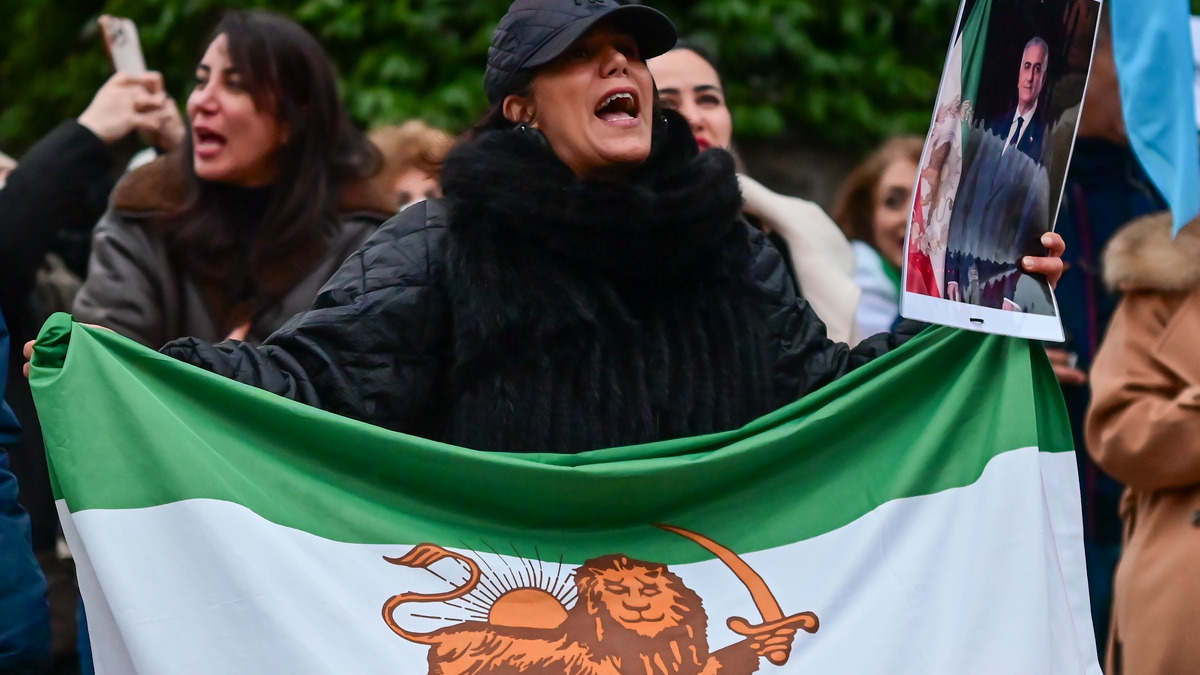
In
Istanbul, a rally by Iranian emigrants was disrupted after participants
attempted to stage a street protest directed against the current authorities in
Iran and in support of opposition sentiments inside the country. The
demonstrators used symbols of pre-Islamic Iran and slogans associated with the
monarchist era, which immediately gave the event a distinctly political and
ideological character. According to the organizers, the rally was intended to
be part of a broader wave of overseas actions by the Iranian diaspora amid the
worsening socio-economic situation in the Islamic Republic and growing public
discontent at home.
However, the protest almost immediately encountered strong
resistance. Turkish law enforcement restricted access to the planned location,
citing public order concerns and the inadmissibility of unauthorized gatherings
near diplomatic missions. An additional factor in the escalation was the
reaction of some local activists and passers-by, who engaged in verbal
confrontations with the protesters. During the clashes, accusatory slogans were
heard, including the phrase “the Shah is a Zionist”, reflecting a sharp
rejection of monarchist symbolism and suspicions about the Iranian opposition’s
ties to external political centers of influence.

As a result, the rally was disorganized and effectively
brought to an end before it could develop into a mass demonstration. Videos
circulating on social media showed a tense atmosphere at the scene, with
shouting, mutual accusations, police attempts to separate the opposing sides,
and the rapid dispersal of participants. No official information about
detentions was released, but the demonstration was ultimately shut down.
The incident fits into the broader context of Ankara’s
cautious approach toward politically sensitive actions by foreign diasporas. On
the one hand, Turkey remains a destination for Iranian migrants, political
refugees, and opposition-minded activists; on the other, it seeks to prevent
activities that could complicate relations with Tehran or create sources of
internal tension. In a situation where Turkish-Iranian relations combine
elements of rivalry with pragmatic economic and energy cooperation, such street
protests are viewed by Ankara as a potential risk factor.
The events in Istanbul also highlighted the deep
fragmentation of the Iranian diaspora abroad. Some emigrants align themselves
with secular opposition forces and the symbolism of the shah’s era, viewing it
as an alternative to the current political system. At the same time, other
Iranians and sympathetic groups in Turkey perceive such slogans as an attempt
to rehabilitate an authoritarian past and as an instrument of external
interference in Iran’s internal affairs. This ideological divide largely became
the trigger for the sharp reaction and escalated into an open public
confrontation.
Particular attention was also drawn to the rhetoric used during the incident. The slogan “the shah is a Zionist” reflects not only anti-monarchist sentiment but also a broader layer of anti-Western and anti-Israeli rhetoric characteristic of certain politically active circles in the Middle East. This underscores that the debate over Iran’s future is increasingly moving beyond the framework of domestic politics and intertwining with global ideological fault lines, where issues of identity, external influence, and regional security are closely interconnected.


 Latest news
Latest news
Latest newsBulgaria Asks NATO to Strengthen Its Defences Amid Black Sea Threats: Sofia Fears Growing Risks to Maritime Shipping
16.Oct.2026
Black Sea Shipping Risks Threaten Bulgaria’s 5 Million Tonnes of Wheat Exports
15.Oct.2026
Georgia’s Foreign Funding and Political Ban Laws Draw Criticism from the Venice Commission
15.Oct.2026
Kazakhstan Promotes a Caspian Green Energy Corridor: Astana Seeks New Routes to the European Market
14.Oct.2026
Inflation in Romania Accelerates to 6.61%: Rising Prices Increase Pressure on Households and the Economy
13.Oct.2026
Can Europe Protect the International Criminal Court from Trump’s Sanctions?
13.Oct.2026
Georgia’s Constitutional Court Continues Case on Banning Opposition Parties: Political Pluralism at Stake
12.Oct.2026
Azerbaijan and Iran Step Up Security Contacts Amid Hijab Protests
12.Oct.2026
Personnel Shortages Complicate Ukrainian Forces’ Rotation: Ukraine Faces Long-Term Challenges on the Front Line
11.Oct.2026
Trump Eases Sanctions on Russian Fuel After Talks with Putin: Kyiv Fears Boost to Moscow’s War Revenues
10.Oct.2026
Putin Seeks to Strengthen Russia’s Influence in the Post-Soviet Space Through the CIS
10.Oct.2026
Russia and the South Caucasus: External Pressure, Political Competition and a Crisis of Trust
10.Oct.2026
Peaceful Settlement Between Armenia and Azerbaijan: Moving from Declarations to Implementation
10.Oct.2026
Moldova Ready to Accept as Many Ukrainians as Necessary if Situation Worsens This Winter
09.Oct.2026
Turkmenistan Turns Avaza into a Regional Diplomatic Hub as Caspian, Central Asian and CIS Agendas Converge
08.Oct.2026