
 17 Oct 2026









The Great Rotation: Personnel Reshuffles in Ukraine’s Leadership
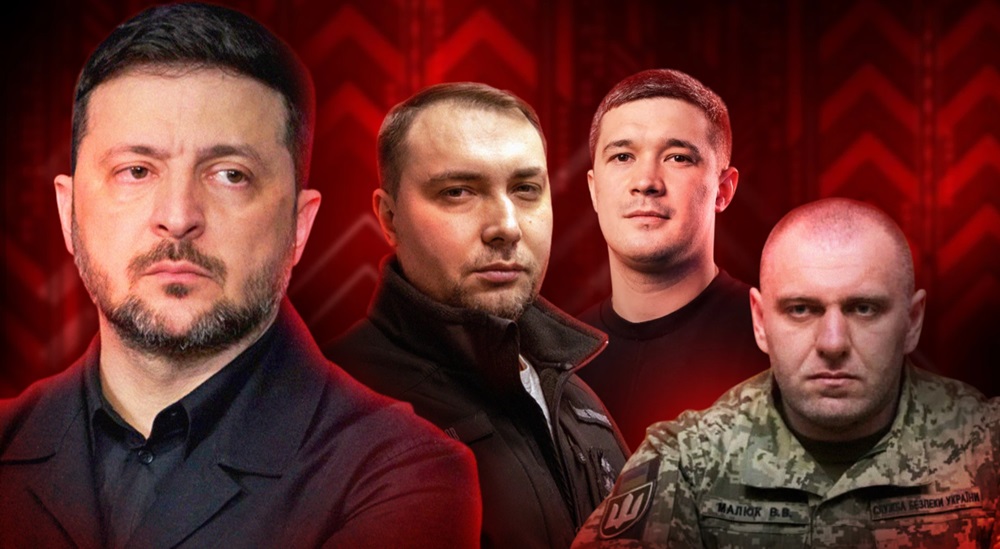
Amid
the full-scale war with Russia and preparations for a new round of
international negotiations, Ukrainian President Volodymyr Zelenskyy has
initiated a major reshuffle within the country’s security and state
institutions. One of the most notable moves was the dismissal of Vasyl Maliuk from
his post as head of the Security Service of Ukraine (SBU), one of the most
prominent and influential Ukrainian security figures in recent years.
Maliuk, a lieutenant general and Hero of Ukraine, had led
the SBU since 2022. During his tenure, he transformed the agency from an institution
with a controversial reputation into one of the most combat-capable elements of
Ukraine’s defense apparatus. Under his leadership, the SBU carried out a number
of high-profile special operations, including Operation “Spiderweb”, during which
dozens of Ukrainian drones operated deep inside Russian territory, destroying
strategic military aircraft stationed at airfields and causing significant
damage.
 Vasyl
Maliuk is a Hero of Ukraine, and former head of the Security Service of
Ukraine, under whose leadership the agency became one of the most
combat-capable and active institutions in the country’s national security
system
Vasyl
Maliuk is a Hero of Ukraine, and former head of the Security Service of
Ukraine, under whose leadership the agency became one of the most
combat-capable and active institutions in the country’s national security
system
Despite widespread recognition of these actions within
military circles, on January 5, 2026, Maliuk stepped down as head of the SBU at
the president’s initiative. He stated that he would remain within the security
system to focus on conducting special asymmetric operations aimed at maximizing
pressure on the adversary. Zelenskyy personally thanked him for his
contributions to the country’s defense and encouraged him to concentrate on
this line of work.
Lieutenant General Yevhen Khmara, commander of the elite SBU “Alpha” unit – one of the most
experienced and highly trained special formations in the service – was
appointed as acting head of the SBU. Khmara is known for his role in special
operations and is regarded as a reliable and steady leader capable of
maintaining stability during wartime.
 Yevhen
Khmara is a seasoned security officer specializing in complex special operations
under wartime conditions
Yevhen
Khmara is a seasoned security officer specializing in complex special operations
under wartime conditions
This move is part of a broader personnel rotation affecting key
positions across Ukraine’s government and security structures. Just days
earlier, Zelenskyy appointed Kyrylo Budanov, head of the Main Intelligence Directorate
of the Ministry of Defense, as head of the Presidential Administration,
replacing Andriy Yermak, who left the post following a corruption scandal.
Budanov is one of the most recognizable figures in Ukrainian intelligence,
widely respected both domestically and internationally for his strategic
operations.

Kyrylo
Budanov is one of the most influential and publicly visible figures in the
country’s intelligence community, known for high-profile special operations and
strategic planning
Further changes are also being discussed within the
Ministry of Defense and the energy sector, highlighting Kyiv’s determination to
prepare comprehensively for a protracted conflict and to enhance organizational
efficiency.
Beyond the security sphere, Zelenskyy appointed former Canadian Deputy Prime
Minister Chrystia Freeland as an economic adviser. Her task is
to assist Ukraine in economic recovery and strengthen international
cooperation, reflecting the growing role of Western experts in shaping the
country’s postwar recovery strategy.
 Chrystia
Freeland is a former Deputy Prime Minister of Canada who played a key role in
shaping Western sanctions policy and coordinating financial support for Ukraine
Chrystia
Freeland is a former Deputy Prime Minister of Canada who played a key role in
shaping Western sanctions policy and coordinating financial support for Ukraine
Many military professionals and analysts view the reshuffle as a step toward strengthening governance under wartime conditions, while others express concern that the departure of such a prominent and popular figure as Maliuk could affect morale within the security services and weaken their operational potential. Overall, these changes demonstrate Ukraine’s leadership adapting the state apparatus to current military, diplomatic, and domestic challenges, while maintaining pressure on the adversary and reinforcing international support for the country.


 Latest news
Latest news
Latest newsBulgaria Asks NATO to Strengthen Its Defences Amid Black Sea Threats: Sofia Fears Growing Risks to Maritime Shipping
16.Oct.2026
Black Sea Shipping Risks Threaten Bulgaria’s 5 Million Tonnes of Wheat Exports
15.Oct.2026
Georgia’s Foreign Funding and Political Ban Laws Draw Criticism from the Venice Commission
15.Oct.2026
Kazakhstan Promotes a Caspian Green Energy Corridor: Astana Seeks New Routes to the European Market
14.Oct.2026
Inflation in Romania Accelerates to 6.61%: Rising Prices Increase Pressure on Households and the Economy
13.Oct.2026
Can Europe Protect the International Criminal Court from Trump’s Sanctions?
13.Oct.2026
Georgia’s Constitutional Court Continues Case on Banning Opposition Parties: Political Pluralism at Stake
12.Oct.2026
Azerbaijan and Iran Step Up Security Contacts Amid Hijab Protests
12.Oct.2026
Personnel Shortages Complicate Ukrainian Forces’ Rotation: Ukraine Faces Long-Term Challenges on the Front Line
11.Oct.2026
Trump Eases Sanctions on Russian Fuel After Talks with Putin: Kyiv Fears Boost to Moscow’s War Revenues
10.Oct.2026
Putin Seeks to Strengthen Russia’s Influence in the Post-Soviet Space Through the CIS
10.Oct.2026
Russia and the South Caucasus: External Pressure, Political Competition and a Crisis of Trust
10.Oct.2026
Peaceful Settlement Between Armenia and Azerbaijan: Moving from Declarations to Implementation
10.Oct.2026
Moldova Ready to Accept as Many Ukrainians as Necessary if Situation Worsens This Winter
09.Oct.2026
Turkmenistan Turns Avaza into a Regional Diplomatic Hub as Caspian, Central Asian and CIS Agendas Converge
08.Oct.2026