
 17 Oct 2026









- flight paths of Russian attack drones targeting Ukrainian
infrastructure;
- Russian
attempts to strike Ukrainian facilities on the Danube, close to Romanian
territory;
- risks
of navigation errors or loss of control of UAVs.
Romania Strengthens Air Defense Amid Rising Drone Threats: From Intercepting Unidentified UAVs to a Major Deal With France
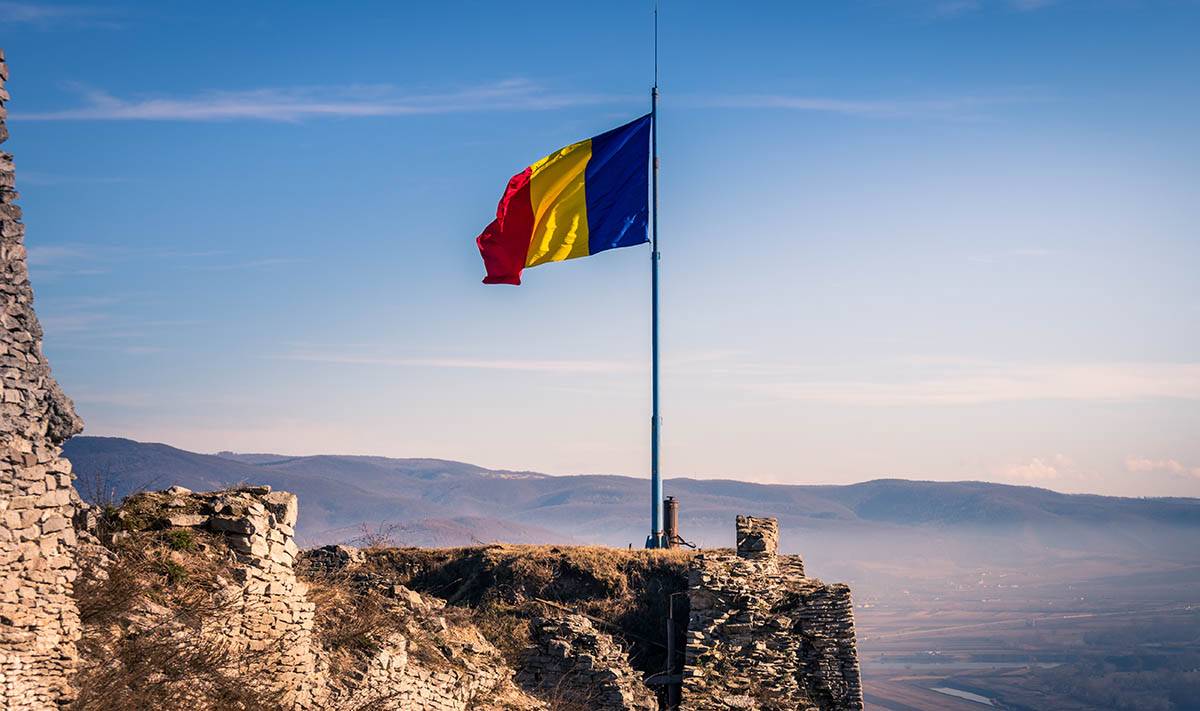
Romania
is rapidly reinforcing its air-defense system following a series of incidents
involving drones violating its airspace from the direction of the Ukrainian border.
Events over the past week – from the deployment of NATO fighter jets to the
signing of a major defense contract with France – demonstrate how quickly
Bucharest is adapting to a new environment of emerging threats.
On November 25, Romanian forces detected two unmanned
aerial vehicles entering the country’s airspace, allegedly linked to the
ongoing war in Ukraine. German Air Force Eurofighter jets, deployed as part of
NATO’s air-policing mission, were scrambled alongside two Romanian F-16s. One
drone turned back, while the other crashed on Romanian territory.
For Romania – a NATO member sharing a border with an active
war zone –such incidents have become increasingly frequent. In recent months,
debris from missiles and drones has fallen in border regions, but the latest
event has been one of the clearest indicators that the country’s airspace
remains vulnerable.
The government in Bucharest has announced a tougher policy:
unidentified aerial objects violating national borders will be shot down
immediately. Strengthening air-defense capabilities is viewed not only as a
matter of national security but also as part of Romania’s commitments within
NATO.
Against this backdrop, the Romanian parliament and
government have accelerated discussions about acquiring new air-defense
systems. Among the key priorities is enhancing Romania’s ability to intercept
low-flying threats, including kamikaze drones and reconnaissance UAVs – now a
defining feature of modern warfare.
Alongside its national initiatives, Bucharest is relying on
stronger NATO-wide mechanisms, including intelligence-sharing, expanded
air-policing missions, and deeper integration of new air-defense systems into
the alliance’s structures.
Just two days after the drone incident, on November 27,
2025, Romania officially signed a major deal with France to purchase Mistral
portable air-defense systems. The contract includes 231 Mistral MANPADS launch
units, 934 missiles, training for Romanian personnel, simulators, and full
logistical support.
According to defense analysts, the Mistral system will
significantly enhance Romania’s ability to respond quickly to low-altitude
threats – the very types of drones that most often violate the country’s
border.
The decision to purchase French MANPADS is seen as timely
and strategic: it fits into Romania’s broader military modernization effort and
addresses one of the most vulnerable segments of its air defense – protection
against small, fast-moving airborne targets.
Romania occupies a key strategic position on NATO’s
southeastern flank. The war in Ukraine has turned Romanian airspace into one of
the alliance’s most tense operational environments, where several factors
overlap:
Each
such incident carries the potential to spark a crisis in NATO–Russia relations,
making Romania’s preparedness essential.
The French deal and ongoing discussions about expanding
Romania’s air-defense capabilities reflect Bucharest’s broader strategic
direction: not only to protect its own skies but also to strengthen the
resilience of the entire alliance.
Experts note that Romania’s current measures are only the beginning of a larger process that includes modernizing medium- and long-range air-defense systems, integrating new NATO systems, improving the readiness of fighter aviation and rapid-response forces, and upgrading the country’s permanent airspace-monitoring infrastructure. Against the backdrop of the ongoing war in Ukraine, Bucharest is emerging as one of the most proactive contributors to strengthening NATO’s defense architecture along its eastern flank.


 Latest news
Latest news
Latest newsBulgaria Asks NATO to Strengthen Its Defences Amid Black Sea Threats: Sofia Fears Growing Risks to Maritime Shipping
16.Oct.2026
Black Sea Shipping Risks Threaten Bulgaria’s 5 Million Tonnes of Wheat Exports
15.Oct.2026
Georgia’s Foreign Funding and Political Ban Laws Draw Criticism from the Venice Commission
15.Oct.2026
Kazakhstan Promotes a Caspian Green Energy Corridor: Astana Seeks New Routes to the European Market
14.Oct.2026
Inflation in Romania Accelerates to 6.61%: Rising Prices Increase Pressure on Households and the Economy
13.Oct.2026
Can Europe Protect the International Criminal Court from Trump’s Sanctions?
13.Oct.2026
Georgia’s Constitutional Court Continues Case on Banning Opposition Parties: Political Pluralism at Stake
12.Oct.2026
Azerbaijan and Iran Step Up Security Contacts Amid Hijab Protests
12.Oct.2026
Personnel Shortages Complicate Ukrainian Forces’ Rotation: Ukraine Faces Long-Term Challenges on the Front Line
11.Oct.2026
Trump Eases Sanctions on Russian Fuel After Talks with Putin: Kyiv Fears Boost to Moscow’s War Revenues
10.Oct.2026
Putin Seeks to Strengthen Russia’s Influence in the Post-Soviet Space Through the CIS
10.Oct.2026
Russia and the South Caucasus: External Pressure, Political Competition and a Crisis of Trust
10.Oct.2026
Peaceful Settlement Between Armenia and Azerbaijan: Moving from Declarations to Implementation
10.Oct.2026
Moldova Ready to Accept as Many Ukrainians as Necessary if Situation Worsens This Winter
09.Oct.2026
Turkmenistan Turns Avaza into a Regional Diplomatic Hub as Caspian, Central Asian and CIS Agendas Converge
08.Oct.2026