
 17 Oct 2026









Turkey Strengthens Its Air Defense: $6.5 Billion Contract Signed for the Steel Dome System
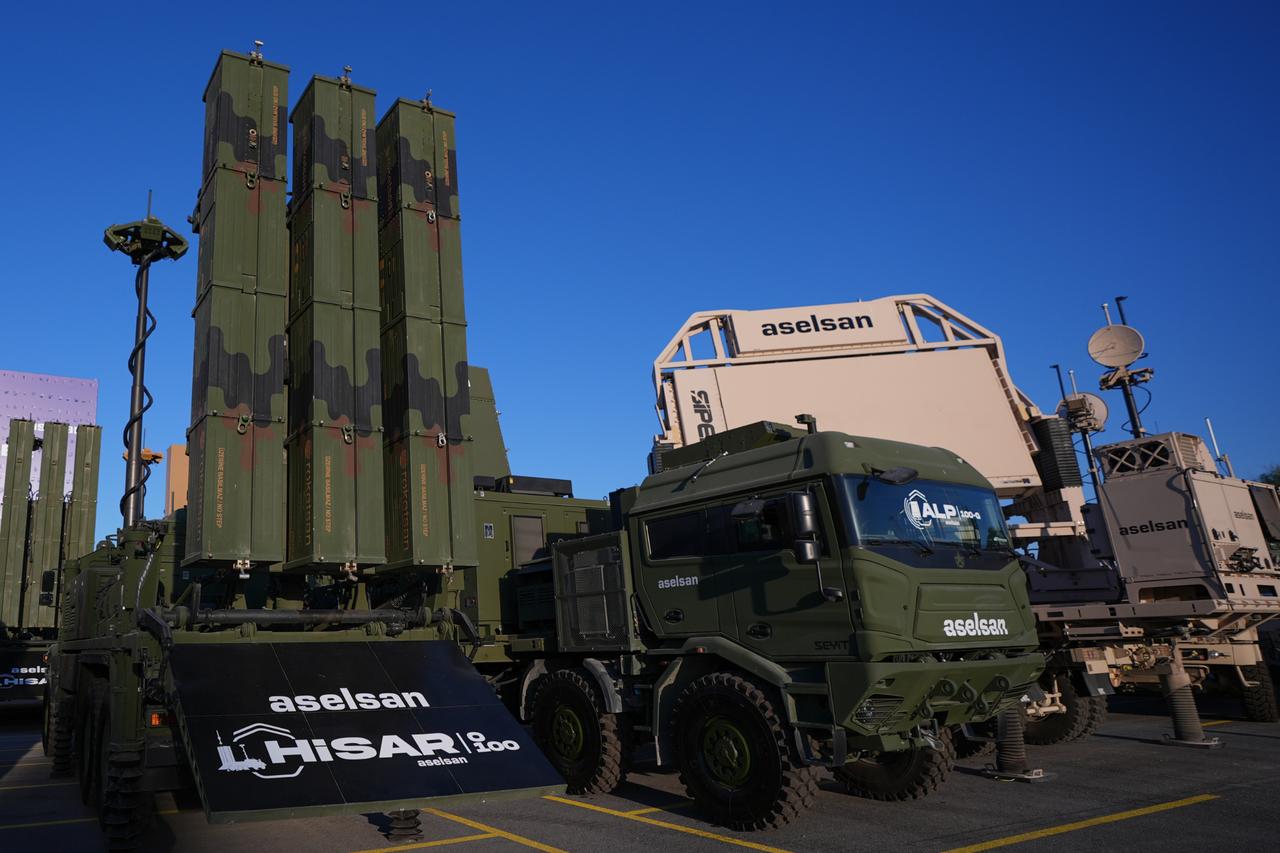
On November 26, 2025, the Turkish Defence Industries Presidency (SSB) announced the signing of contracts worth approximately $6.5 billion with the country’s leading defense companies, including Roketsan and Aselsan, to expand and further develop the national multi-layered air-defense system Steel Dome.
The contracts cover both existing systems – with short- and medium-range capabilities – and new “combat and enhanced” versions, including components for space and anti-tank defense. Officials emphasized that all elements will be produced domestically.
The Steel Dome project consists of 47 different components, including radars, missiles, electro-optical sensors, electronic warfare systems, command centers, and air-defense elements of various ranges and layers.
According to officials, implementing these contracts will significantly strengthen Turkey’s defense capabilities, enhance its deterrence posture, and accelerate the country’s transformation into one of the world’s leading arms manufacturers.
Steel Dome was conceived as a fully national alternative to foreign air-defense systems. According to statements, all hardware and software components – from radars to command-and-control systems – are being developed and produced within Turkey. This reduces dependence on external suppliers and increases strategic autonomy.
The system is designed to counter a wide range of threats: from UAVs and cruise/ballistic missiles to aircraft. As a “system of systems”, Steel Dome offers Turkey the ability to effectively protect its airspace even under complex, multi-front threat environments.

Turkey already actively exports UAVs and other defense products; the new wave of large-scale investment in Steel Dome may strengthen its position in the global arms market and expand its role from a consumer to a supplier of advanced air-defense systems. The growing interest in such an extensive project is linked to rising security challenges in the Middle East and instability around Turkey, motivating Ankara to build a reliable and modern shield to protect its territory.
In the coming years, SSB, Roketsan and Aselsan are expected to begin serial production of new systems and components – from missiles and radars to command-and-control systems. Steel Dome may gradually enter active service, likely first to protect key strategic sites and later across Turkey’s wider territory. In addition, Turkey may offer Steel Dome (or its components) to foreign partners – especially in regions facing high aerial-threat levels.
Despite the contracts, full integration of the 47-component system, along with testing and serial production, will take years. Delays or technical issues could weaken the expected impact of these investments. Strengthening air defense sends a strong signal to partners and neighbors; this may provoke criticism from countries wary of Turkey’s expanding military capabilities and could heighten regional tensions. Although exports are an appealing goal, Steel Dome will face competition from global air-defense manufacturers. Its success will depend on affordability, reliability, and interoperability with other systems. Multi-layered defense systems also require continual maintenance, upgrades, and integration support – meaning long-term financial and logistical commitments.


 Latest news
Latest news
Latest newsBulgaria Asks NATO to Strengthen Its Defences Amid Black Sea Threats: Sofia Fears Growing Risks to Maritime Shipping
16.Oct.2026
Black Sea Shipping Risks Threaten Bulgaria’s 5 Million Tonnes of Wheat Exports
15.Oct.2026
Georgia’s Foreign Funding and Political Ban Laws Draw Criticism from the Venice Commission
15.Oct.2026
Kazakhstan Promotes a Caspian Green Energy Corridor: Astana Seeks New Routes to the European Market
14.Oct.2026
Inflation in Romania Accelerates to 6.61%: Rising Prices Increase Pressure on Households and the Economy
13.Oct.2026
Can Europe Protect the International Criminal Court from Trump’s Sanctions?
13.Oct.2026
Georgia’s Constitutional Court Continues Case on Banning Opposition Parties: Political Pluralism at Stake
12.Oct.2026
Azerbaijan and Iran Step Up Security Contacts Amid Hijab Protests
12.Oct.2026
Personnel Shortages Complicate Ukrainian Forces’ Rotation: Ukraine Faces Long-Term Challenges on the Front Line
11.Oct.2026
Trump Eases Sanctions on Russian Fuel After Talks with Putin: Kyiv Fears Boost to Moscow’s War Revenues
10.Oct.2026
Putin Seeks to Strengthen Russia’s Influence in the Post-Soviet Space Through the CIS
10.Oct.2026
Russia and the South Caucasus: External Pressure, Political Competition and a Crisis of Trust
10.Oct.2026
Peaceful Settlement Between Armenia and Azerbaijan: Moving from Declarations to Implementation
10.Oct.2026
Moldova Ready to Accept as Many Ukrainians as Necessary if Situation Worsens This Winter
09.Oct.2026
Turkmenistan Turns Avaza into a Regional Diplomatic Hub as Caspian, Central Asian and CIS Agendas Converge
08.Oct.2026