
 17 Oct 2026









Romania and Rheinmetall Launch a Strategic Defense Project
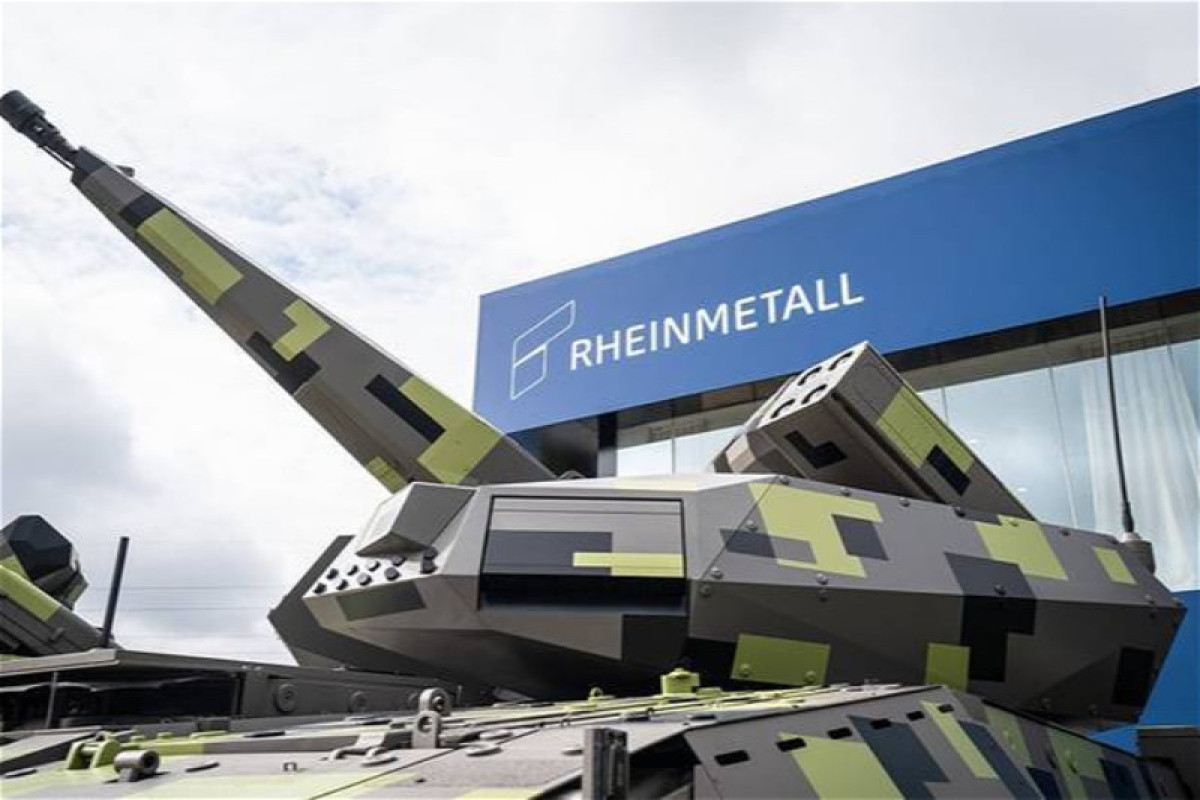
Romania has taken another step toward strengthening its
defense autonomy by signing an agreement with the German defense corporation
Rheinmetall to build a modern gunpowder production plant. The project is valued
at approximately €535 million
and is expected to create around 700
jobs, making it one of the largest industrial investments in the
country’s defense sector in recent years.
The initiative carries clear strategic significance. Amid
ongoing security challenges on NATO’s eastern flank, Bucharest aims to reduce
its dependence on imported military materials and expand its own production
capabilities. Gunpowder production is a critical component tied to the
manufacturing of artillery munitions, demand for which has risen sharply in
recent years.
The establishment of the plant will allow Romania to
strengthen its position within NATO’s defense-industrial cooperation, ensure
more stable supplies of ammunition for the national army, and emerge as a
regional center for producing key materials for European armament programs.
Beyond the military dimension, the project also has
substantial economic potential. Approximately 700 high-skilled jobs — including
engineering and technical positions — are expected to be created. This will
help develop the local industrial base and raise the technological level of
Romania’s defense sector.
Rheinmetall will introduce modern production standards,
including high-precision technologies for powder synthesis and stabilization,
digitalized safety processes, and environmental and operational norms aligned
with EU standards.
The signing of the agreement comes amid EU efforts to scale
up the production of artillery shells and components. Since 2022, European
states have faced ammunition shortages, prompting Brussels to launch programs
aimed at expanding defense-industry capacities. In this context, Romania seeks
to establish itself as one of the key gunpowder producers in the region.
With the construction of the new plant, Romania strengthens its role not only as an important NATO member on the eastern flank but also as a significant player in the European defense ecosystem. The project may become a foundation for future joint ventures and technological partnerships, as well as increase the investment attractiveness of Romania’s security sector.


 Latest news
Latest news
Latest newsBulgaria Asks NATO to Strengthen Its Defences Amid Black Sea Threats: Sofia Fears Growing Risks to Maritime Shipping
16.Oct.2026
Black Sea Shipping Risks Threaten Bulgaria’s 5 Million Tonnes of Wheat Exports
15.Oct.2026
Georgia’s Foreign Funding and Political Ban Laws Draw Criticism from the Venice Commission
15.Oct.2026
Kazakhstan Promotes a Caspian Green Energy Corridor: Astana Seeks New Routes to the European Market
14.Oct.2026
Inflation in Romania Accelerates to 6.61%: Rising Prices Increase Pressure on Households and the Economy
13.Oct.2026
Can Europe Protect the International Criminal Court from Trump’s Sanctions?
13.Oct.2026
Georgia’s Constitutional Court Continues Case on Banning Opposition Parties: Political Pluralism at Stake
12.Oct.2026
Azerbaijan and Iran Step Up Security Contacts Amid Hijab Protests
12.Oct.2026
Personnel Shortages Complicate Ukrainian Forces’ Rotation: Ukraine Faces Long-Term Challenges on the Front Line
11.Oct.2026
Trump Eases Sanctions on Russian Fuel After Talks with Putin: Kyiv Fears Boost to Moscow’s War Revenues
10.Oct.2026
Putin Seeks to Strengthen Russia’s Influence in the Post-Soviet Space Through the CIS
10.Oct.2026
Russia and the South Caucasus: External Pressure, Political Competition and a Crisis of Trust
10.Oct.2026
Peaceful Settlement Between Armenia and Azerbaijan: Moving from Declarations to Implementation
10.Oct.2026
Moldova Ready to Accept as Many Ukrainians as Necessary if Situation Worsens This Winter
09.Oct.2026
Turkmenistan Turns Avaza into a Regional Diplomatic Hub as Caspian, Central Asian and CIS Agendas Converge
08.Oct.2026