
 17 Oct 2026









- Climatic factors. Officials note that this year the region received significantly less rainfall and snowfall than average. In addition, temperatures in some areas exceeded 50°C, accelerating evaporation and preventing reservoirs from replenishing.
- Governance failures and systemic problems. Too many dams were built without consideration for sustainable resource management. Moreover, over 60% of Tehran’s water is pumped from groundwater, depleting underground reserves, while a significant portion of water is lost due to aging and leaky pipelines. Urban development also prevents natural recharge of aquifers: surface runoff cannot penetrate the soil because asphalt and concrete block infiltration.
- Political and social factors. Sanctions and financial restrictions hinder investment in modernizing infrastructure, including treatment facilities and water-reuse systems. Population growth and the overcrowding of Tehran as a major megacity further strain water resources.
Iran on the Brink of Disaster: Drought Could Force the Evacuation of Tehran
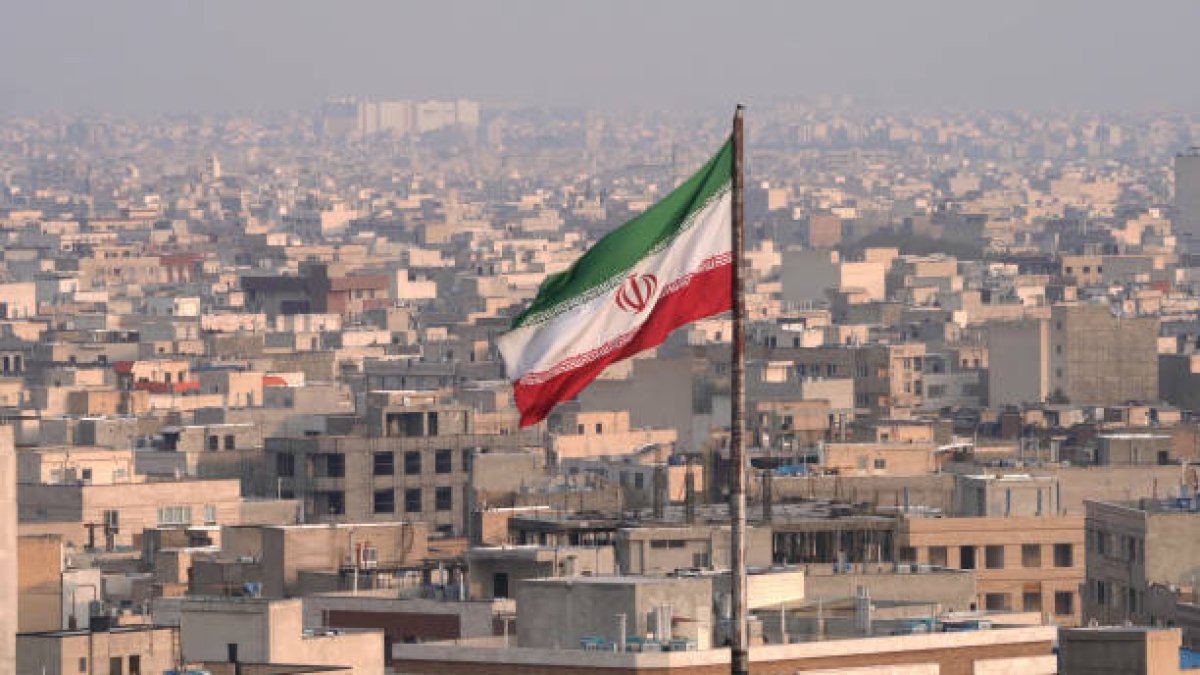
Iran is experiencing one of the most severe droughts in recent decades. Water reserves in key dams supplying the capital have sharply declined, prompting authorities to consider extreme measures — from partial to full evacuation of Tehran. This is not merely an environmental issue but a socio-political and infrastructural threat.
According to available data, the five main reservoirs that supply Tehran are currently filled to only about 50% of their normal capacity. One of the largest — the Amir Kabir Dam — is holding just around 8% of its volume. The Lar Dam has almost dried up, while water levels in the others — Latian, Taleqan, and Mamloo — have dropped dramatically. Several sources report that this is the worst drought in six decades.
3 primary factors stand out:
President Masoud Pezeshkian has warned that if there is no rainfall by the end of the year, partial evacuation of the population may become unavoidable. Authorities are already preparing for periodic water shutoffs, and nighttime water pressure has been reduced. The water shortage is also harming electricity production — hydroelectric plants are operating below capacity, increasing pressure on the power grid. Drought and mismanagement of water resources could lead to ecosystem degradation, declining biodiversity, and disrupted natural water cycles. It is also important to consider that water scarcity may fuel public unrest.
In essence, Iran’s water crisis is a symptom of deeper structural issues: a combination of climatic challenges, governance failures, and infrastructural fragility. The potential evacuation of Tehran is a stark warning — but with timely action, the worst consequences can still be mitigated.


 Latest news
Latest news
Latest newsBulgaria Asks NATO to Strengthen Its Defences Amid Black Sea Threats: Sofia Fears Growing Risks to Maritime Shipping
16.Oct.2026
Black Sea Shipping Risks Threaten Bulgaria’s 5 Million Tonnes of Wheat Exports
15.Oct.2026
Georgia’s Foreign Funding and Political Ban Laws Draw Criticism from the Venice Commission
15.Oct.2026
Kazakhstan Promotes a Caspian Green Energy Corridor: Astana Seeks New Routes to the European Market
14.Oct.2026
Inflation in Romania Accelerates to 6.61%: Rising Prices Increase Pressure on Households and the Economy
13.Oct.2026
Can Europe Protect the International Criminal Court from Trump’s Sanctions?
13.Oct.2026
Georgia’s Constitutional Court Continues Case on Banning Opposition Parties: Political Pluralism at Stake
12.Oct.2026
Azerbaijan and Iran Step Up Security Contacts Amid Hijab Protests
12.Oct.2026
Personnel Shortages Complicate Ukrainian Forces’ Rotation: Ukraine Faces Long-Term Challenges on the Front Line
11.Oct.2026
Trump Eases Sanctions on Russian Fuel After Talks with Putin: Kyiv Fears Boost to Moscow’s War Revenues
10.Oct.2026
Putin Seeks to Strengthen Russia’s Influence in the Post-Soviet Space Through the CIS
10.Oct.2026
Russia and the South Caucasus: External Pressure, Political Competition and a Crisis of Trust
10.Oct.2026
Peaceful Settlement Between Armenia and Azerbaijan: Moving from Declarations to Implementation
10.Oct.2026
Moldova Ready to Accept as Many Ukrainians as Necessary if Situation Worsens This Winter
09.Oct.2026
Turkmenistan Turns Avaza into a Regional Diplomatic Hub as Caspian, Central Asian and CIS Agendas Converge
08.Oct.2026