
 17 Oct 2026









Possible Resignation of Sergey Lavrov: What Lies Behind the Rumors of Shake-ups in Russian Diplomacy?
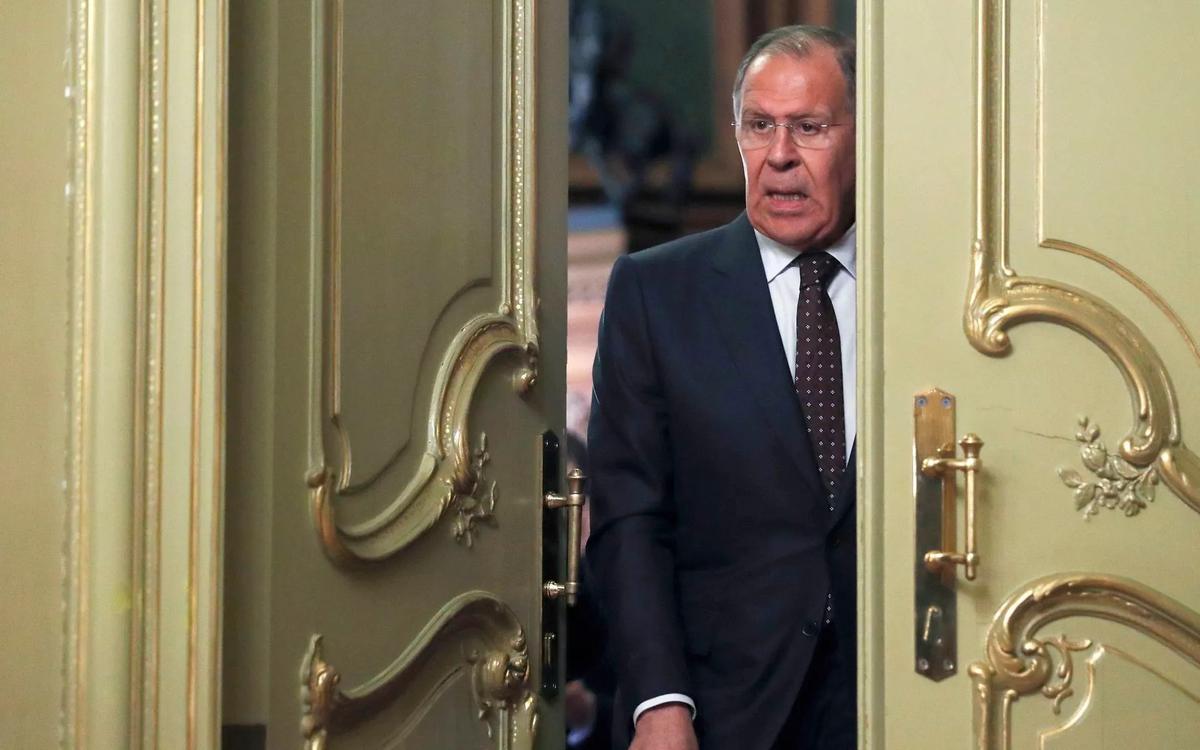
In recent days, Russian and foreign media have been actively discussing the possible resignation of Russia’s Foreign Minister Sergey Lavrov, who has held this position for more than 21 years – since 2004. According to sources close to diplomatic circles, the decision may be made in the coming months as part of a “planned renewal of the leadership of the foreign policy bloc”.
Within the ministry, potential candidates to replace Lavrov are already being discussed. Among the possible figures are Deputy Minister Andrey Rudenko, Russia’s Permanent Representative to the UN Vasily Nebenzya, and Presidential Aide Yuri Ushakov, known for his international contacts. However, there has been no official confirmation of this information: the Russian Foreign Ministry has called reports of the minister’s possible resignation “rumors and speculation”.
Sergey Lavrov is one of the longest-serving ministers in modern Russian politics. His name is associated with an era of “tough diplomacy” and a sharply anti-Western course, especially after 2014 and the start of the conflict with Ukraine. His departure could symbolize a transition to a new diplomatic strategy – possibly less personalized and more technocratic.
The Kremlin could use a change of foreign minister as a gesture of political flexibility, especially under growing sanctions pressure and Moscow’s efforts to strengthen ties with the Global South. A new minister could become the face of an “updated diplomacy” – one that does not change the course but shifts the tone.
Lavrov’s resignation could also be part of internal personnel renewal. After Vladimir Putin’s re-election in the spring of 2024, there has been a gradual rotation of elites: key ministries are being refreshed, and the role of the Security Council and the Presidential Administration is increasing.
Analysts estimate the likelihood of Lavrov’s departure in the coming months as moderate – around 50%. In a recent interview, Lavrov hinted that he “will work as long as the president needs”, which may be a diplomatic way of signaling his readiness to step down.


 Latest news
Latest news
Latest newsBulgaria Asks NATO to Strengthen Its Defences Amid Black Sea Threats: Sofia Fears Growing Risks to Maritime Shipping
16.Oct.2026
Black Sea Shipping Risks Threaten Bulgaria’s 5 Million Tonnes of Wheat Exports
15.Oct.2026
Georgia’s Foreign Funding and Political Ban Laws Draw Criticism from the Venice Commission
15.Oct.2026
Kazakhstan Promotes a Caspian Green Energy Corridor: Astana Seeks New Routes to the European Market
14.Oct.2026
Inflation in Romania Accelerates to 6.61%: Rising Prices Increase Pressure on Households and the Economy
13.Oct.2026
Can Europe Protect the International Criminal Court from Trump’s Sanctions?
13.Oct.2026
Georgia’s Constitutional Court Continues Case on Banning Opposition Parties: Political Pluralism at Stake
12.Oct.2026
Azerbaijan and Iran Step Up Security Contacts Amid Hijab Protests
12.Oct.2026
Personnel Shortages Complicate Ukrainian Forces’ Rotation: Ukraine Faces Long-Term Challenges on the Front Line
11.Oct.2026
Trump Eases Sanctions on Russian Fuel After Talks with Putin: Kyiv Fears Boost to Moscow’s War Revenues
10.Oct.2026
Putin Seeks to Strengthen Russia’s Influence in the Post-Soviet Space Through the CIS
10.Oct.2026
Russia and the South Caucasus: External Pressure, Political Competition and a Crisis of Trust
10.Oct.2026
Peaceful Settlement Between Armenia and Azerbaijan: Moving from Declarations to Implementation
10.Oct.2026
Moldova Ready to Accept as Many Ukrainians as Necessary if Situation Worsens This Winter
09.Oct.2026
Turkmenistan Turns Avaza into a Regional Diplomatic Hub as Caspian, Central Asian and CIS Agendas Converge
08.Oct.2026