
 17 Oct 2026









Putin orders review of possible resumption of nuclear tests
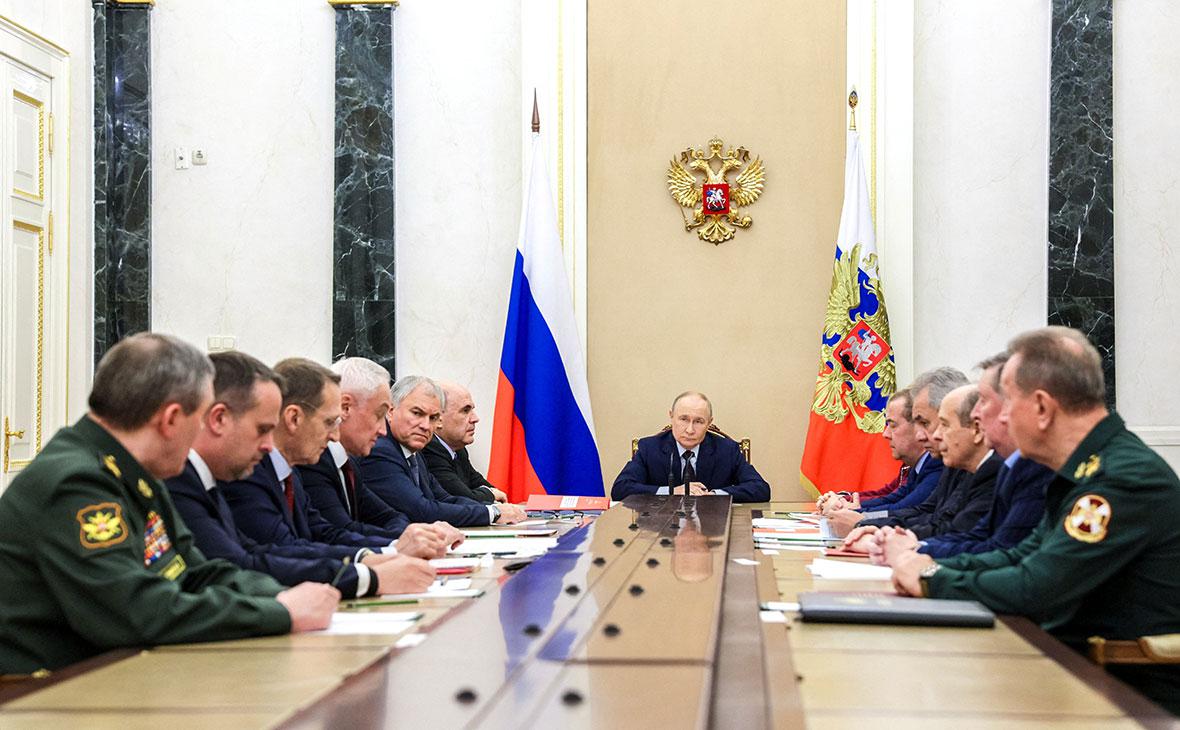
Russian President Vladimir Putin has instructed the government and the Ministry of Defense to prepare proposals on the possible resumption of nuclear tests. The decision comes amid escalating nuclear rhetoric and statements from the United States.
The discussion concerns both a potential withdrawal from existing restrictive regimes and the practical aspects of preparing infrastructure for tests. Russian authorities emphasize that the country possesses “one of the most advanced strategic nuclear triads in the world” and intends to “ensure strategic deterrence”. The announcement came as the United States is debating the modernization of its nuclear arsenal and some American politicians are calling for increased pressure on Moscow.
This step is primarily a political signal. Russia seeks to demonstrate determination and strategic independence, respond to U.S. statements and security pressure, and strengthen its position in potential future arms-control negotiations.

The resumption of nuclear tests would mark the most significant step backward in the international arms-control system since the Cold War. The system of deterrence built over decades is eroding, and both sides are using nuclear rhetoric as a tool of pressure. Against the backdrop of the military conflict in Ukraine and deteriorating relations between Russia and NATO, such statements become an additional element of strategic maneuvering.
No official decision to begin tests has yet been made, but the very fact of the directive is seen as a signal to the West that Russia is prepared to escalate in the realm of strategic security. The likelihood of actual tests at this stage remains low to moderate. Russia understands that breaking the moratorium would trigger a strong international response, yet keeps this tool as leverage and a threat. For now, this is an informational and strategic move rather than an irreversible military-technical decision.


 Latest news
Latest news
Latest newsBulgaria Asks NATO to Strengthen Its Defences Amid Black Sea Threats: Sofia Fears Growing Risks to Maritime Shipping
16.Oct.2026
Black Sea Shipping Risks Threaten Bulgaria’s 5 Million Tonnes of Wheat Exports
15.Oct.2026
Georgia’s Foreign Funding and Political Ban Laws Draw Criticism from the Venice Commission
15.Oct.2026
Kazakhstan Promotes a Caspian Green Energy Corridor: Astana Seeks New Routes to the European Market
14.Oct.2026
Inflation in Romania Accelerates to 6.61%: Rising Prices Increase Pressure on Households and the Economy
13.Oct.2026
Can Europe Protect the International Criminal Court from Trump’s Sanctions?
13.Oct.2026
Georgia’s Constitutional Court Continues Case on Banning Opposition Parties: Political Pluralism at Stake
12.Oct.2026
Azerbaijan and Iran Step Up Security Contacts Amid Hijab Protests
12.Oct.2026
Personnel Shortages Complicate Ukrainian Forces’ Rotation: Ukraine Faces Long-Term Challenges on the Front Line
11.Oct.2026
Trump Eases Sanctions on Russian Fuel After Talks with Putin: Kyiv Fears Boost to Moscow’s War Revenues
10.Oct.2026
Putin Seeks to Strengthen Russia’s Influence in the Post-Soviet Space Through the CIS
10.Oct.2026
Russia and the South Caucasus: External Pressure, Political Competition and a Crisis of Trust
10.Oct.2026
Peaceful Settlement Between Armenia and Azerbaijan: Moving from Declarations to Implementation
10.Oct.2026
Moldova Ready to Accept as Many Ukrainians as Necessary if Situation Worsens This Winter
09.Oct.2026
Turkmenistan Turns Avaza into a Regional Diplomatic Hub as Caspian, Central Asian and CIS Agendas Converge
08.Oct.2026