
 17 Oct 2026









- the introduction of electronic document management in all
state institutions;
- the creation of a unified platform for online interaction
between businesses and government bodies;
- the active use of artificial intelligence for analyzing and
forecasting socio-economic processes.
Kazakhstan to Fully Transition to Digital Governance: Tokayev Announces Creation of New Ministry
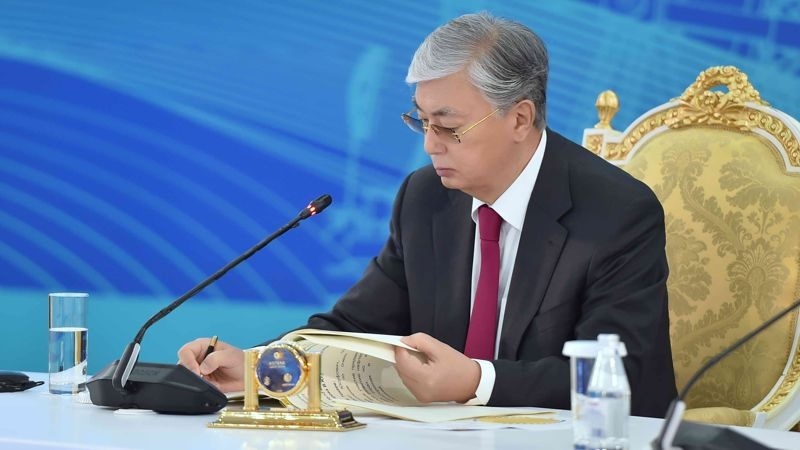
President
of Kazakhstan Kassym-Jomart Tokayev has announced a large-scale transformation
of the country's governance system. Over the next three years, Kazakhstan will
fully transition to a digital format of interaction between the state,
citizens, and businesses.
According to the President, the shift to digital governance
will radically change traditional processes – speeding up decision-making,
simplifying access to public services, and reducing bureaucratic barriers.
“Digitalization is not just convenience; it’s a new way of life for society and business. We aim to build an efficient, transparent, and modern state”, Tokayev emphasized.
A key element of this transformation will be the creation
of the Ministry of Artificial Intelligence and Digital Development.
The new body will be responsible for implementing AI technologies, automating
public services, and developing “smart city” infrastructure and the digital
economy. It is expected that this will enable citizens to access most public
services online and help companies interact with government agencies more
efficiently.
Experts note that Kazakhstan is becoming one of the leaders
in Central Asia in the field of digitalization.
“The establishment of a dedicated ministry for AI and digital development is a unique step for the region. It opens new opportunities for investment and innovation”, said Tengrinews analyst Sergey Ivanov.
The digital transformation program will include:
According to Tokayev, digitalization will also enhance the
transparency of state processes and reduce corruption.
Thus, Kazakhstan is preparing to enter a new era of digital governance, where technology will become the foundation for interaction between the government, business, and citizens – building a more convenient and modern state.


 Latest news
Latest news
Latest newsBulgaria Asks NATO to Strengthen Its Defences Amid Black Sea Threats: Sofia Fears Growing Risks to Maritime Shipping
16.Oct.2026
Black Sea Shipping Risks Threaten Bulgaria’s 5 Million Tonnes of Wheat Exports
15.Oct.2026
Georgia’s Foreign Funding and Political Ban Laws Draw Criticism from the Venice Commission
15.Oct.2026
Kazakhstan Promotes a Caspian Green Energy Corridor: Astana Seeks New Routes to the European Market
14.Oct.2026
Inflation in Romania Accelerates to 6.61%: Rising Prices Increase Pressure on Households and the Economy
13.Oct.2026
Can Europe Protect the International Criminal Court from Trump’s Sanctions?
13.Oct.2026
Georgia’s Constitutional Court Continues Case on Banning Opposition Parties: Political Pluralism at Stake
12.Oct.2026
Azerbaijan and Iran Step Up Security Contacts Amid Hijab Protests
12.Oct.2026
Personnel Shortages Complicate Ukrainian Forces’ Rotation: Ukraine Faces Long-Term Challenges on the Front Line
11.Oct.2026
Trump Eases Sanctions on Russian Fuel After Talks with Putin: Kyiv Fears Boost to Moscow’s War Revenues
10.Oct.2026
Putin Seeks to Strengthen Russia’s Influence in the Post-Soviet Space Through the CIS
10.Oct.2026
Russia and the South Caucasus: External Pressure, Political Competition and a Crisis of Trust
10.Oct.2026
Peaceful Settlement Between Armenia and Azerbaijan: Moving from Declarations to Implementation
10.Oct.2026
Moldova Ready to Accept as Many Ukrainians as Necessary if Situation Worsens This Winter
09.Oct.2026
Turkmenistan Turns Avaza into a Regional Diplomatic Hub as Caspian, Central Asian and CIS Agendas Converge
08.Oct.2026