
 17 Oct 2026









Turkey conducts rare strike in Iraq's Sulaimaniyah province against PKK
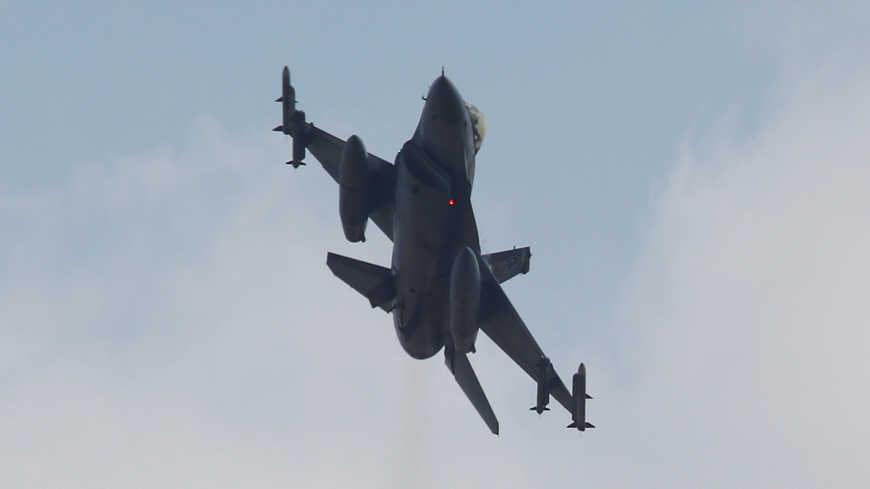
Most Turkey-PKK fighting takes place in other parts of the Kurdistan Region of Iraq where Turkey has military bases, according to Al-Monitor.
Turkey bombed Kurdistan Workers Party (PKK) targets in Iraq’s Sulaimaniyah province, Turkish authorities announced today. Turkey-PKK clashes in this area in the Kurdistan Region near the Iranian border are relatively uncommon.
Turkish armed forces and intelligence operatives either killed or captured five PKK fighters in the Asos area, Turkey’s state-run Anadolu News Agency reported today. The fighters died in an aerial attack, the Turkish Ministry of Defense said. Anadolu also reported today that five PKK fighters were either killed or captured in the Hakurk and Haftanin areas. Turkey often does not specify whether it has killed or captured PKK fighters, instead using the term “neutralized.”
Turkey frequently bombs PKK targets in Iraqi Kurdistan territory. The PKK also attacks Turkish forces in the region, most recently opening fire at a Turkish base near the border this month.
What makes the Asos attack significant, however, is that it took place in Sulaimaniyah province. Asos is a mountain about 35 miles north of the city Sulaimaniyah, which is the second-largest in the Kurdistan Region. The area is controlled by the Patriotic Union of Kurdistan (PUK), which historically has had warm relations with the PKK and relatedly poor relations with Turkey. The PKK and its Iran-based affiliates have operated there in recent years, and Turkey bombed the area twice in 2017, according to the Iraqi Kurdish outlet Kurdistan 24.
Most of Turkey’s airstrikes against the PKK are near the Turkish border in the Erbil and Dahuk provinces — like Haftanin and Hakurk. Turkey has several military bases in these provinces that are controlled by the Kurdistan Democratic Party (KDP). The KDP has an oil-based relationship with Turkey, but many in KDP strongholds oppose Turkey’s military actions there as well as the PKK’s presence. The PUK has historically been closer to Iran.
The PKK says it fights for greater political and cultural rights for the Kurds in Turkey. The group is motivated by the repression of the Kurdish language and arrests of Kurdish politicians throughout Turkish history. Turkey, on the other hand, views the PKK as a terrorist organization, and continues to blame it for attacks on civilians in the country, including a bombing that killed workers in southeast Turkey last month.
The PKK has based itself on the mountains border between the Kurdistan Region of Iraq and Turkey since 2013. A majority of Turkey-PKK fighting has occurred in Iraq — not Turkey — in 2020, according to the conflict data-focused nongovernmental organization ACLED. More than 4,800 people, including civilians and fighters, have been killed during fighting between Turkey and the PKK since 2015 when peace talks broke down, according to the International Crisis Group.


 Latest news
Latest news
Latest newsBulgaria Asks NATO to Strengthen Its Defences Amid Black Sea Threats: Sofia Fears Growing Risks to Maritime Shipping
16.Oct.2026
Black Sea Shipping Risks Threaten Bulgaria’s 5 Million Tonnes of Wheat Exports
15.Oct.2026
Georgia’s Foreign Funding and Political Ban Laws Draw Criticism from the Venice Commission
15.Oct.2026
Kazakhstan Promotes a Caspian Green Energy Corridor: Astana Seeks New Routes to the European Market
14.Oct.2026
Inflation in Romania Accelerates to 6.61%: Rising Prices Increase Pressure on Households and the Economy
13.Oct.2026
Can Europe Protect the International Criminal Court from Trump’s Sanctions?
13.Oct.2026
Georgia’s Constitutional Court Continues Case on Banning Opposition Parties: Political Pluralism at Stake
12.Oct.2026
Azerbaijan and Iran Step Up Security Contacts Amid Hijab Protests
12.Oct.2026
Personnel Shortages Complicate Ukrainian Forces’ Rotation: Ukraine Faces Long-Term Challenges on the Front Line
11.Oct.2026
Trump Eases Sanctions on Russian Fuel After Talks with Putin: Kyiv Fears Boost to Moscow’s War Revenues
10.Oct.2026
Putin Seeks to Strengthen Russia’s Influence in the Post-Soviet Space Through the CIS
10.Oct.2026
Russia and the South Caucasus: External Pressure, Political Competition and a Crisis of Trust
10.Oct.2026
Peaceful Settlement Between Armenia and Azerbaijan: Moving from Declarations to Implementation
10.Oct.2026
Moldova Ready to Accept as Many Ukrainians as Necessary if Situation Worsens This Winter
09.Oct.2026
Turkmenistan Turns Avaza into a Regional Diplomatic Hub as Caspian, Central Asian and CIS Agendas Converge
08.Oct.2026