
 17 Oct 2026









Armenian Prime Minister Announces Readiness to Amend Constitution for Peace with Azerbaijan
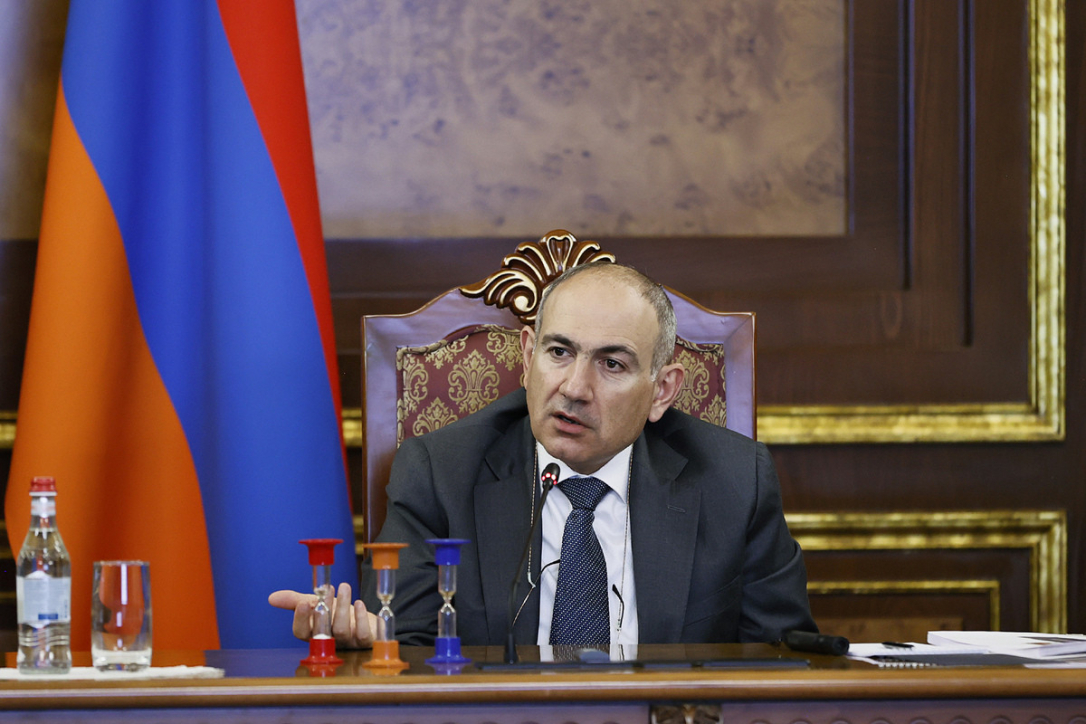
Armenian
Prime Minister Nikol Pashinyan has expressed his readiness to amend the
country’s Constitution in order to conclude a peace agreement with Azerbaijan.
In his view, the current version of the Basic Law contains provisions that
allow for territorial claims, and their removal is a necessary step toward
stability and the end of the conflict. However, the date of the referendum has
not yet been determined.
In
March 2025, the parties had already agreed on a draft peace treaty. Yet the key
condition for its signing remains the amendment of Armenia’s Constitution,
according to Azerbaijan’s position. From Baku’s perspective, it is essential to
remove references to Nagorno-Karabakh from the preamble. However, in Armenia
this may trigger internal division, especially considering the mass protests in
2024 against territorial concessions, including remote villages in the Tavush
region.
It
should be noted that in August, at a summit in the White House, Pashinyan and
Azerbaijani President Ilham Aliyev signed a declaration under U.S. sponsorship.
The declaration envisions the creation of the “Zangezur Corridor” – a strategic
transit route through Armenia, under U.S. control for 99 years. The route was
named TRIPP (“Trump Route for
International Peace and Prosperity”).
Iran
and Russia have voiced serious concern over U.S. involvement in regional
processes, viewing the creation of the corridor as a threat to their influence
and regional stability. The United States is emerging as an active geopolitical
player in the South Caucasus, using a model of economic leverage and transport
projects. This weakens the traditional influence of Russia and Iran, while
opening the door for Armenia’s Euro- and Euro-Atlantic orientation.
Analysts
note the lack of detailed work on security and customs aspects of the project,
as well as the legal status of the corridor and Armenia’s access to Azerbaijani
territory. These gaps could derail the peace agreement, even if constitutional
amendments are pursued.
The
introduction of a new Constitution will require a referendum, which Armenian
society may perceive as external pressure. The issue of Nagorno-Karabakh remains
particularly sensitive – as a symbol of national identity. Any changes related
to it may provoke sharp discontent and protests.
Pashinyan’s
statement of readiness to amend the Constitution signals a key compromise. Yet
its implementation represents a delicate balance between the external necessity
of peace and internal political stability. The success of the initiative will
depend on subtle diplomacy, the public’s willingness to accept change, and the
government’s ability to manage the consequences – legal, social, and national.


 Latest news
Latest news
Latest newsBulgaria Asks NATO to Strengthen Its Defences Amid Black Sea Threats: Sofia Fears Growing Risks to Maritime Shipping
16.Oct.2026
Black Sea Shipping Risks Threaten Bulgaria’s 5 Million Tonnes of Wheat Exports
15.Oct.2026
Georgia’s Foreign Funding and Political Ban Laws Draw Criticism from the Venice Commission
15.Oct.2026
Kazakhstan Promotes a Caspian Green Energy Corridor: Astana Seeks New Routes to the European Market
14.Oct.2026
Inflation in Romania Accelerates to 6.61%: Rising Prices Increase Pressure on Households and the Economy
13.Oct.2026
Can Europe Protect the International Criminal Court from Trump’s Sanctions?
13.Oct.2026
Georgia’s Constitutional Court Continues Case on Banning Opposition Parties: Political Pluralism at Stake
12.Oct.2026
Azerbaijan and Iran Step Up Security Contacts Amid Hijab Protests
12.Oct.2026
Personnel Shortages Complicate Ukrainian Forces’ Rotation: Ukraine Faces Long-Term Challenges on the Front Line
11.Oct.2026
Trump Eases Sanctions on Russian Fuel After Talks with Putin: Kyiv Fears Boost to Moscow’s War Revenues
10.Oct.2026
Putin Seeks to Strengthen Russia’s Influence in the Post-Soviet Space Through the CIS
10.Oct.2026
Russia and the South Caucasus: External Pressure, Political Competition and a Crisis of Trust
10.Oct.2026
Peaceful Settlement Between Armenia and Azerbaijan: Moving from Declarations to Implementation
10.Oct.2026
Moldova Ready to Accept as Many Ukrainians as Necessary if Situation Worsens This Winter
09.Oct.2026
Turkmenistan Turns Avaza into a Regional Diplomatic Hub as Caspian, Central Asian and CIS Agendas Converge
08.Oct.2026