
 17 Oct 2026









Zelensky and Trump Meeting at the White House: Symbolism, Guarantees, and Prospects for Peace
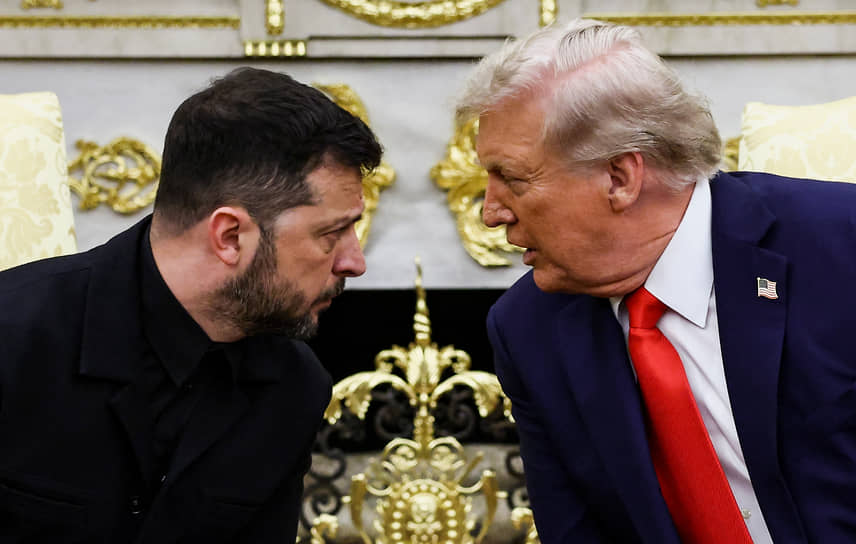
On August 18, 2025, Ukrainian President Volodymyr Zelensky
met with U.S. President Donald Trump at the White House. The meeting took place
in an expanded format, with European leaders present, including the Prime
Ministers of the United Kingdom and Italy, and the President of the European
Commission. The goal was to explore opportunities to end the war with Russia.
During the meeting, Zelensky expressed gratitude to Trump nine times in the opening minutes, emphasizing his efforts toward achieving peace and mentioning a letter from First Lady Melania Trump to Putin. Trump, in turn, offered Ukraine security guarantees based on NATO principles, although full membership in the alliance remains uncertain. In addition, plans for a possible trilateral meeting between Trump, Zelensky, and Putin – likely in Budapest – were discussed. The U.S. has not ruled out the deployment of its troops to protect Ukraine, which represents a significant step in building trust.
The meeting concluded with cautious optimism: discussions on
peace were supported by guarantees and cooperation with European partners.
Zelensky’s demonstrative expressions of gratitude helped
correct mistakes from past meetings, easing previous tensions and improving the
tone of the dialogue. Trump’s proposals of “NATO-based guarantees” signal
restrained support but do not constitute full integration, which could have
shifted the balance of power. This is a concession by the U.S., maintaining the
framework of indirect protection.
Reports also indicate potential peace conditions that could
include partial concessions by Ukraine (Donbas, Crimea). President Zelensky
firmly rejects such options.
European leaders have rallied around Ukraine more actively
than ever. Their synchronized response reflects recognition of fundamental
values and priorities, despite the fluctuating American stance.
The likelihood of a U.S.-Putin meeting without Kyiv’s participation heightens the risk of Ukraine losing ground in diplomatic negotiations – a sensitive issue for the West.
In summary, the Zelensky-Trump meeting is a step toward peace, but it represents a complex mix of diplomacy, symbolism, and political maneuvering. Ukraine’s security remains central, yet its borders and conditions remain the subject of a delicate strategic game. Europe acts as the locomotive of support, while the U.S. tends toward pragmatism and maintaining leverage.


 Latest news
Latest news
Latest newsBulgaria Asks NATO to Strengthen Its Defences Amid Black Sea Threats: Sofia Fears Growing Risks to Maritime Shipping
16.Oct.2026
Black Sea Shipping Risks Threaten Bulgaria’s 5 Million Tonnes of Wheat Exports
15.Oct.2026
Georgia’s Foreign Funding and Political Ban Laws Draw Criticism from the Venice Commission
15.Oct.2026
Kazakhstan Promotes a Caspian Green Energy Corridor: Astana Seeks New Routes to the European Market
14.Oct.2026
Inflation in Romania Accelerates to 6.61%: Rising Prices Increase Pressure on Households and the Economy
13.Oct.2026
Can Europe Protect the International Criminal Court from Trump’s Sanctions?
13.Oct.2026
Georgia’s Constitutional Court Continues Case on Banning Opposition Parties: Political Pluralism at Stake
12.Oct.2026
Azerbaijan and Iran Step Up Security Contacts Amid Hijab Protests
12.Oct.2026
Personnel Shortages Complicate Ukrainian Forces’ Rotation: Ukraine Faces Long-Term Challenges on the Front Line
11.Oct.2026
Trump Eases Sanctions on Russian Fuel After Talks with Putin: Kyiv Fears Boost to Moscow’s War Revenues
10.Oct.2026
Putin Seeks to Strengthen Russia’s Influence in the Post-Soviet Space Through the CIS
10.Oct.2026
Russia and the South Caucasus: External Pressure, Political Competition and a Crisis of Trust
10.Oct.2026
Peaceful Settlement Between Armenia and Azerbaijan: Moving from Declarations to Implementation
10.Oct.2026
Moldova Ready to Accept as Many Ukrainians as Necessary if Situation Worsens This Winter
09.Oct.2026
Turkmenistan Turns Avaza into a Regional Diplomatic Hub as Caspian, Central Asian and CIS Agendas Converge
08.Oct.2026