
 17 Oct 2026









Iran's lawmakers elect former Guards commanders as speaker
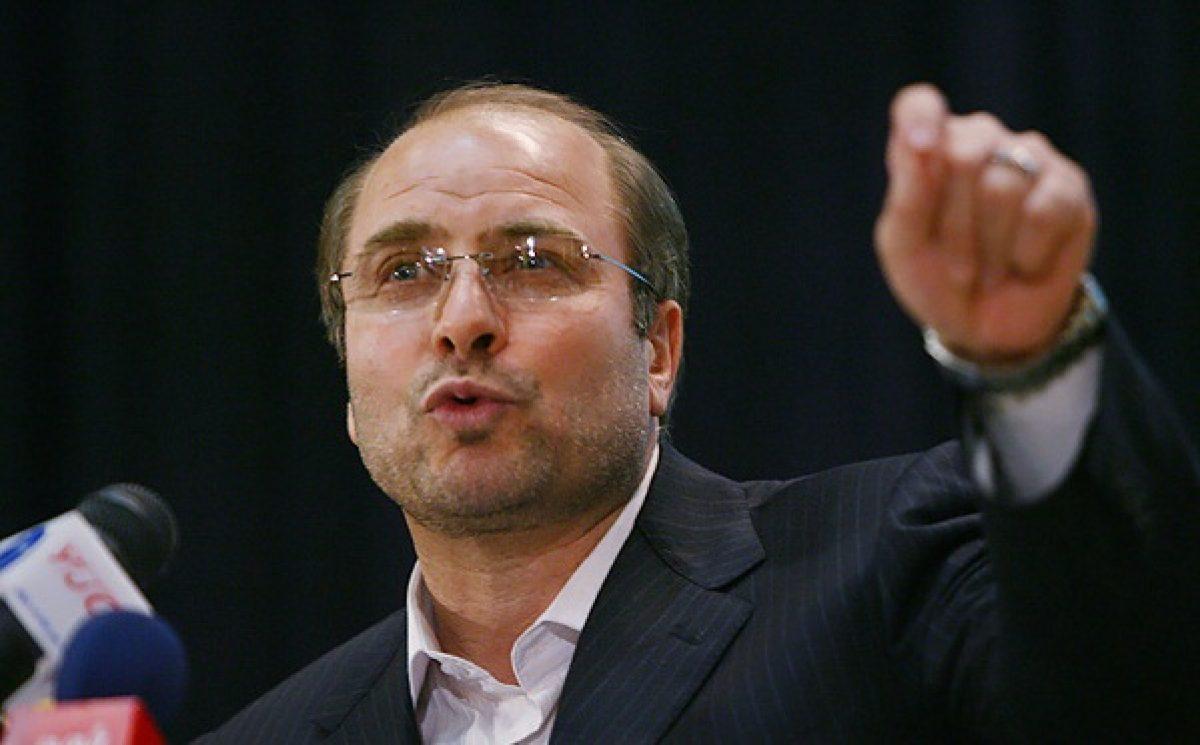
According to Reuters, Iranian lawmakers elected former Revolutionary Guards air force commander Mohammad Baqer Qalibaf on Thursday as the speaker of the hardliner-dominated parliament for one year, state television reported.
State TV said 230 lawmakers, out of 264, voted for Qalibaf, whose record as a veteran of Iran’s eight-year war with Iraq in the 1980s and as a national police chief has endeared him to Iran’s top authority, Supreme Leader Ayatollah Ali Khamenei, and boosted his chances of becoming speaker.
A former Tehran mayor, Qalibaf ran unsuccessfully in two presidential races and was forced to drop out of a third to avoid splitting the hardline vote. He revived his political ambitions by standing for parliament.
Separately, Khamenei appointed former parliament speaker Ali Larijani as his adviser and member of the Expediency Council, a body intended to resolve disputes between parliament and the powerful Guardian Council, state TV also reported on Wednesday.
The Guardian Council, a hardline watchdog body, must approve all candidates for elections in Iran, including for parliament.
The Council disqualified thousands of moderate and leading conservative candidates from taking part in Iran’s Feb. 21 parliamentary election, leaving voters to choose mainly between hardline and low-key conservative candidates loyal to Khamenei.
Like hardliners, conservatives back the ruling theocracy, but unlike them support more engagement with the outside world.
Iran’s 290-seat parliament has no major influence on foreign affairs or Iran’s nuclear policy, which are determined by Khamenei. But it might bolster hardliners in the 2021 election for president and toughen Tehran’s foreign policy.


 Latest news
Latest news
Latest newsBulgaria Asks NATO to Strengthen Its Defences Amid Black Sea Threats: Sofia Fears Growing Risks to Maritime Shipping
16.Oct.2026
Black Sea Shipping Risks Threaten Bulgaria’s 5 Million Tonnes of Wheat Exports
15.Oct.2026
Georgia’s Foreign Funding and Political Ban Laws Draw Criticism from the Venice Commission
15.Oct.2026
Kazakhstan Promotes a Caspian Green Energy Corridor: Astana Seeks New Routes to the European Market
14.Oct.2026
Inflation in Romania Accelerates to 6.61%: Rising Prices Increase Pressure on Households and the Economy
13.Oct.2026
Can Europe Protect the International Criminal Court from Trump’s Sanctions?
13.Oct.2026
Georgia’s Constitutional Court Continues Case on Banning Opposition Parties: Political Pluralism at Stake
12.Oct.2026
Azerbaijan and Iran Step Up Security Contacts Amid Hijab Protests
12.Oct.2026
Personnel Shortages Complicate Ukrainian Forces’ Rotation: Ukraine Faces Long-Term Challenges on the Front Line
11.Oct.2026
Trump Eases Sanctions on Russian Fuel After Talks with Putin: Kyiv Fears Boost to Moscow’s War Revenues
10.Oct.2026
Putin Seeks to Strengthen Russia’s Influence in the Post-Soviet Space Through the CIS
10.Oct.2026
Russia and the South Caucasus: External Pressure, Political Competition and a Crisis of Trust
10.Oct.2026
Peaceful Settlement Between Armenia and Azerbaijan: Moving from Declarations to Implementation
10.Oct.2026
Moldova Ready to Accept as Many Ukrainians as Necessary if Situation Worsens This Winter
09.Oct.2026
Turkmenistan Turns Avaza into a Regional Diplomatic Hub as Caspian, Central Asian and CIS Agendas Converge
08.Oct.2026