
 17 Oct 2026









A Turning Point for the South Caucasus: Pashinyan and Aliyev Prepare for Critical Talks in Abu Dhabi
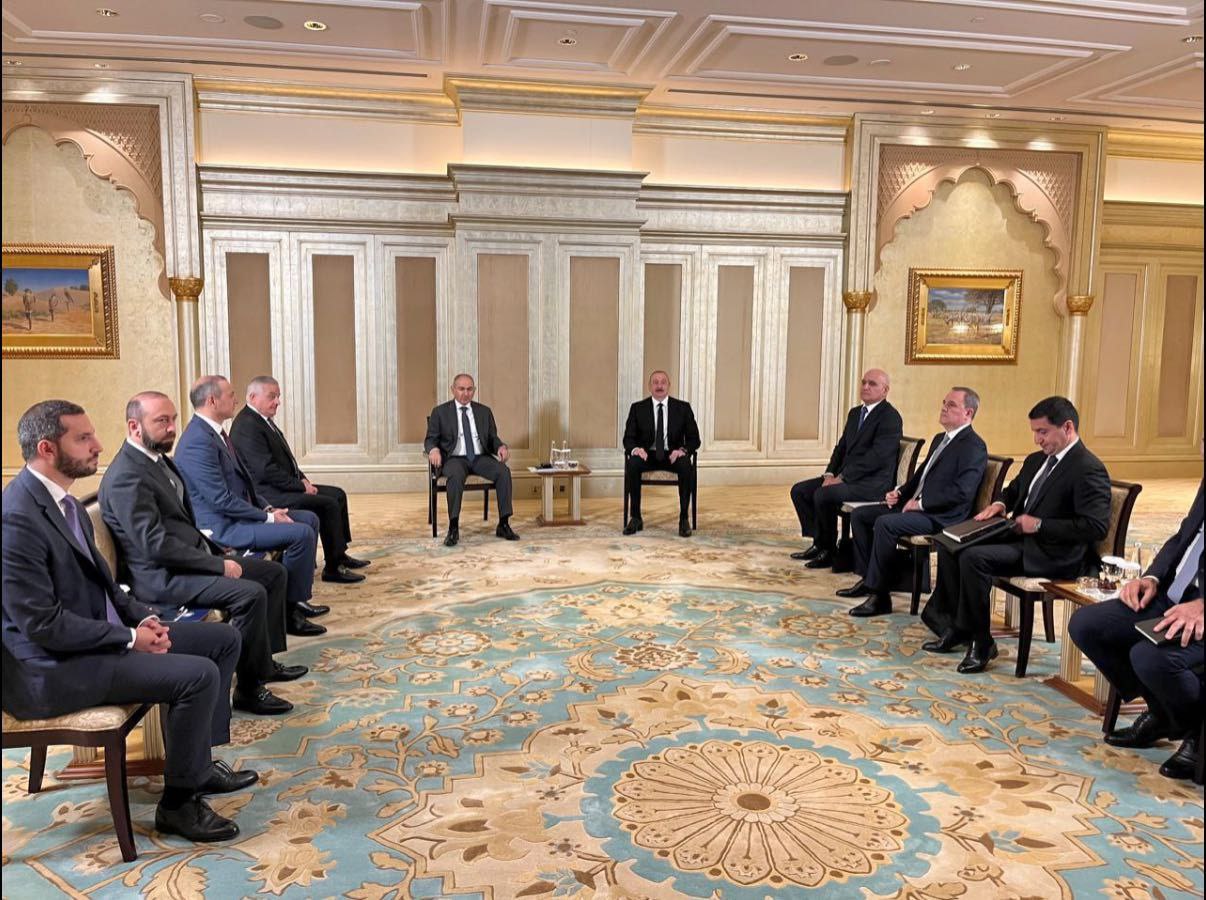
On July 10, 2025, a meeting will take place in
Abu Dhabi that many analysts are already calling historic. Armenian Prime
Minister Nikol Pashinyan and Azerbaijani President Ilham Aliyev will attempt to
achieve a breakthrough in the peace process — one that has the potential to
finally end the decades-long Armenian-Azerbaijani conflict.
Since early 2023, the
two sides, with mediation from the EU and the United States, have been engaged
in intensive negotiations to draft a comprehensive peace agreement. In March
2025, a preliminary consensus was reached on the core principles: mutual
recognition of territorial integrity, renunciation of hostile rhetoric, border
demarcation, and the opening of transport communications.
However, the process has since slowed. Key sticking points include:
- The legal formulation of the status of the border;
- Domestic political opposition in Armenia, where some sectors of society demand a referendum on the agreement;
- The so-called "Zangezur Corridor", in which Baku has a strategic interest, while Yerevan remains visibly cautious.
The
choice of the UAE as the venue is no coincidence. The Emirates position
themselves as a neutral diplomatic hub, enjoying the trust of both Baku and
Yerevan. Moreover, Abu Dhabi maintains strong economic ties with both countries
and is not involved in regional alliances that could exert pressure on the
talks (unlike Moscow, Tehran, or Brussels).
The
peace agreement could reshape not only Armenian-Azerbaijani relations but the
entire geopolitical landscape of the South Caucasus.
For
Armenia:
·
The opportunity to open borders, restore the
economy, and diversify its foreign policy.
·
Potential acceleration of integration into
European and international structures.
·
The risk of internal political crisis if the
public sees the concessions as excessive.
For
Azerbaijan:
·
The consolidation of territorial gains as
internationally recognized borders.
·
A land connection to Nakhchivan through Syunik
(including a potential corridor to Turkey).
·
An enhanced international image as a
“stabilizing power” in the region.
For
the region:
·
A reduced likelihood of renewed military
conflict.
·
The potential creation of cross-border
transport and energy corridors (including those involving the EU and China).
·
A weakening of Russia’s traditional influence
in the Caucasus.
Despite
these encouraging signals, many experts point to a high level of mutual
distrust and the absence of guarantees that any agreement will be implemented.
In Armenia, pressure from the opposition and the diaspora is growing. In
Azerbaijan, the narrative of Yerevan’s "complete capitulation" is
gaining momentum.
The
role of other regional actors — Russia, Turkey, and Iran — remains uncertain.
Historically, they have sought to either dominate or balance the South
Caucasus, and their response to a potential breakthrough may range from
cautious approval to covert obstruction.
The
upcoming talks in Abu Dhabi may represent the last real opportunity to end a
conflict that has claimed tens of thousands of lives and undermined the
stability of an entire region. In a time of global geopolitical shifts, both
sides must demonstrate strategic vision — and the international community must
provide the guarantees necessary to enforce any future agreement.
If a deal is signed, it will become one of the most significant diplomatic events in the post-Soviet space in decades.


 Latest news
Latest news
Latest newsBulgaria Asks NATO to Strengthen Its Defences Amid Black Sea Threats: Sofia Fears Growing Risks to Maritime Shipping
16.Oct.2026
Black Sea Shipping Risks Threaten Bulgaria’s 5 Million Tonnes of Wheat Exports
15.Oct.2026
Georgia’s Foreign Funding and Political Ban Laws Draw Criticism from the Venice Commission
15.Oct.2026
Kazakhstan Promotes a Caspian Green Energy Corridor: Astana Seeks New Routes to the European Market
14.Oct.2026
Inflation in Romania Accelerates to 6.61%: Rising Prices Increase Pressure on Households and the Economy
13.Oct.2026
Can Europe Protect the International Criminal Court from Trump’s Sanctions?
13.Oct.2026
Georgia’s Constitutional Court Continues Case on Banning Opposition Parties: Political Pluralism at Stake
12.Oct.2026
Azerbaijan and Iran Step Up Security Contacts Amid Hijab Protests
12.Oct.2026
Personnel Shortages Complicate Ukrainian Forces’ Rotation: Ukraine Faces Long-Term Challenges on the Front Line
11.Oct.2026
Trump Eases Sanctions on Russian Fuel After Talks with Putin: Kyiv Fears Boost to Moscow’s War Revenues
10.Oct.2026
Putin Seeks to Strengthen Russia’s Influence in the Post-Soviet Space Through the CIS
10.Oct.2026
Russia and the South Caucasus: External Pressure, Political Competition and a Crisis of Trust
10.Oct.2026
Peaceful Settlement Between Armenia and Azerbaijan: Moving from Declarations to Implementation
10.Oct.2026
Moldova Ready to Accept as Many Ukrainians as Necessary if Situation Worsens This Winter
09.Oct.2026
Turkmenistan Turns Avaza into a Regional Diplomatic Hub as Caspian, Central Asian and CIS Agendas Converge
08.Oct.2026