
 17 Oct 2026









- The nuclear facility in Natanz;
- The heavy water reactor in Arak (Khondab);
- Command centers of the Islamic Revolutionary Guard Corps (IRGC) in Tehran.
- Emergency diplomatic talks are taking place in Geneva;
- Evacuations of foreign nationals are underway in several countries across the region;
- Iran has promised a "painful and decisive response".
Exchange of Strikes: Iran Attacks Israel, Tel Aviv Responds with Bombing of Nuclear Sites
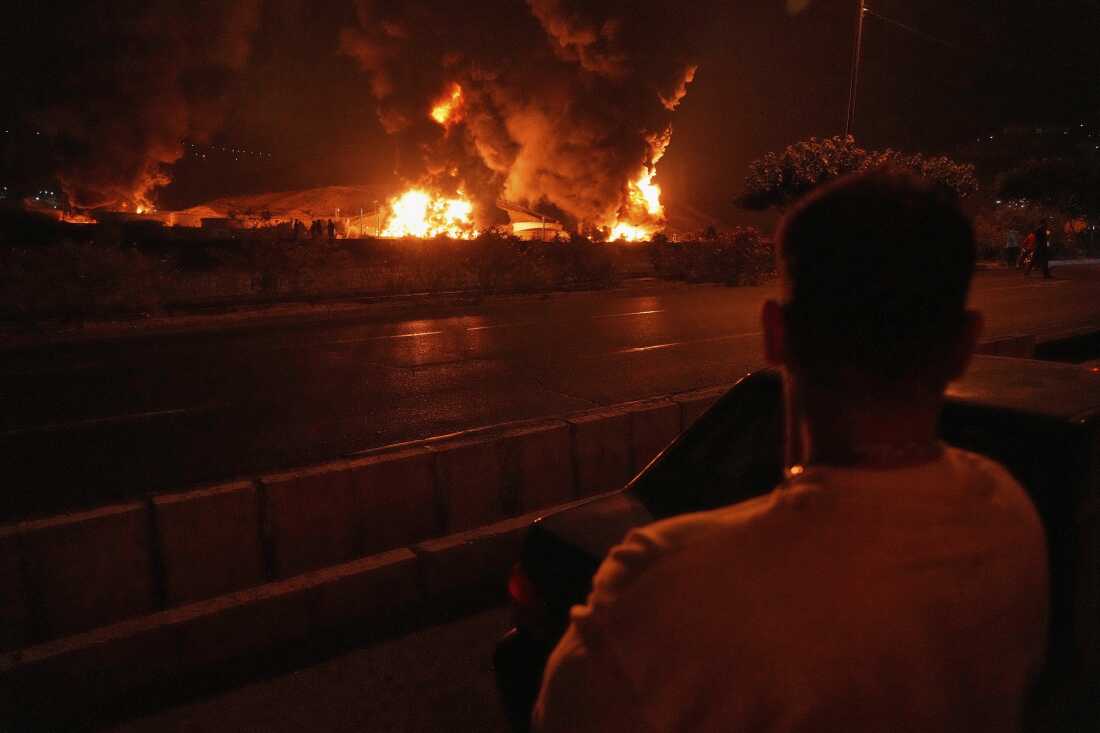
Tel Aviv / Tehran, June 19, 2025 — The military confrontation between Iran and Israel has reached a new and unprecedentedly dangerous level. Last night, Iran launched approximately 20 ballistic missiles toward Israeli territory. Central and southern regions, including Tel Aviv and Be’er Sheva, were hit.
One of the missiles struck the Soroka Medical Center in Be’er Sheva. According to preliminary reports, at least 12 people were killed and over 200 injured, including patients and hospital staff. Israeli authorities have called the incident a tragedy and an act of barbarism.
“This is a war crime. No one in Tehran will feel safe,” said Israeli Prime Minister Benjamin Netanyahu.
In response, the Israeli Air Force carried out a series of precision airstrikes on critical infrastructure in Iran. The targets included:
According to the Israeli military, the strikes were aimed at "weakening Iran's military capabilities" and "neutralizing the threat of future attacks".
The international community has expressed deep concern over the rapid escalation. The U.S. and EU countries are urging restraint, while simultaneously preparing for potential fallout:
The Middle East is at a critical tipping point. The ongoing exchange of strikes between Iran and Israel risks escalating into a full-scale war involving multiple nations. So far, both Tehran and Jerusalem appear determined to press forward — diplomacy is giving way to force.


 Latest news
Latest news
Latest newsBulgaria Asks NATO to Strengthen Its Defences Amid Black Sea Threats: Sofia Fears Growing Risks to Maritime Shipping
16.Oct.2026
Black Sea Shipping Risks Threaten Bulgaria’s 5 Million Tonnes of Wheat Exports
15.Oct.2026
Georgia’s Foreign Funding and Political Ban Laws Draw Criticism from the Venice Commission
15.Oct.2026
Kazakhstan Promotes a Caspian Green Energy Corridor: Astana Seeks New Routes to the European Market
14.Oct.2026
Inflation in Romania Accelerates to 6.61%: Rising Prices Increase Pressure on Households and the Economy
13.Oct.2026
Can Europe Protect the International Criminal Court from Trump’s Sanctions?
13.Oct.2026
Georgia’s Constitutional Court Continues Case on Banning Opposition Parties: Political Pluralism at Stake
12.Oct.2026
Azerbaijan and Iran Step Up Security Contacts Amid Hijab Protests
12.Oct.2026
Personnel Shortages Complicate Ukrainian Forces’ Rotation: Ukraine Faces Long-Term Challenges on the Front Line
11.Oct.2026
Trump Eases Sanctions on Russian Fuel After Talks with Putin: Kyiv Fears Boost to Moscow’s War Revenues
10.Oct.2026
Putin Seeks to Strengthen Russia’s Influence in the Post-Soviet Space Through the CIS
10.Oct.2026
Russia and the South Caucasus: External Pressure, Political Competition and a Crisis of Trust
10.Oct.2026
Peaceful Settlement Between Armenia and Azerbaijan: Moving from Declarations to Implementation
10.Oct.2026
Moldova Ready to Accept as Many Ukrainians as Necessary if Situation Worsens This Winter
09.Oct.2026
Turkmenistan Turns Avaza into a Regional Diplomatic Hub as Caspian, Central Asian and CIS Agendas Converge
08.Oct.2026