
 17 Oct 2026









Tehran on the Brink: Failed Talks Could Trigger a Strike
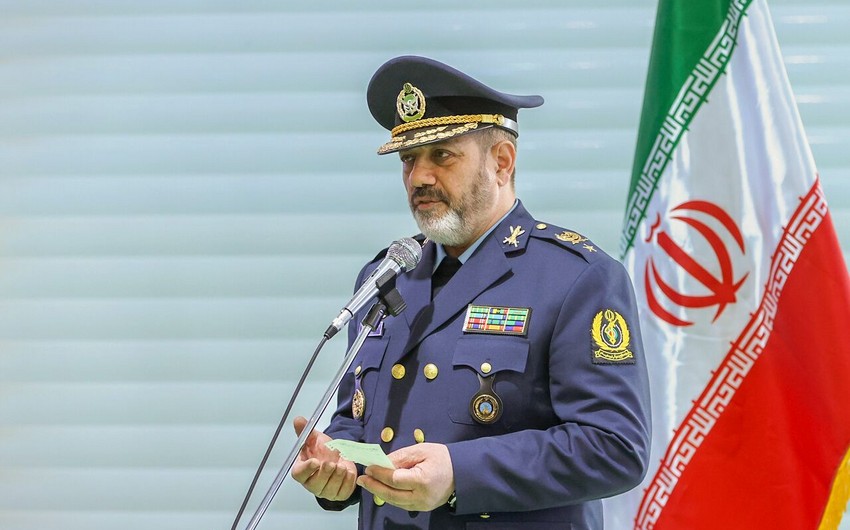
Speaking at a press conference on
June 11, Iran’s Defense Minister Aziz Nasirzadeh declared:
"If the negotiations yield no results and war is imposed on us… all U.S. military bases are within reach, and we will boldly strike them in their host countries".
He emphasized that this is not a threat or intimidation — but if the U.S.
resorts to force, even hesitantly, Iran’s response will be decisive and aimed
directly at key regional targets.
Nasirzadeh stated that Iran had
recently tested a missile with a two-ton warhead, reaffirming the country’s
refusal to accept any restrictions on its defense capabilities. The
announcement is linked to the recent demonstration launch of the Qassem Basir missile — dubbed a
"witness missile" — with a range of approximately 1,200 km and the
ability to bypass missile defense systems without GPS guidance.
The sixth round of U.S.-Iran negotiations, scheduled for June 15 in Muscat, Oman, is being
viewed as a final opportunity to prevent escalation.
The United States has already
partially evacuated non-military personnel from its embassies in Iraq, Bahrain, and Kuwait, amid threats
and growing concern over regional security. Israel is reportedly on high alert and is considering a potential
strike against Iran.
Nasirzadeh sent a clear signal: if
the U.S. employs cold or active force — even in a limited way — Iran will respond with strikes on American
assets in host countries, likely including bases in Kuwait, the UAE, Bahrain, and Iraq.
Tehran underlined its military
independence, showing its readiness for escalation by demonstrating significant
missile capabilities and rejecting external restrictions. Despite ongoing
diplomatic efforts, Iran is reinforcing its "no retreat" stance,
using threats against U.S. interests as a form of strategic pressure.
Even if a deal is reached,
Nasirzadeh’s remarks foster an atmosphere of tension and mistrust. Should the
talks fail, the risk of military confrontation will rise dramatically —
especially amid a "negotiations or war" backdrop. Regional security
is already deeply undermined: potential strikes on U.S. or even Israeli targets
could provoke swift retaliation from Washington and its allies.
Iran has made it clear that it does
not consider nuclear diplomacy its only tool — if negotiations collapse, it is
ready to resort to military means. The defense minister’s message is not just
rhetoric, but a calculated signal: a
threat to strike U.S. bases is a tool of pressure, ready to turn into military
reality.
Source: www.reuters.com


 Latest news
Latest news
Latest newsBulgaria Asks NATO to Strengthen Its Defences Amid Black Sea Threats: Sofia Fears Growing Risks to Maritime Shipping
16.Oct.2026
Black Sea Shipping Risks Threaten Bulgaria’s 5 Million Tonnes of Wheat Exports
15.Oct.2026
Georgia’s Foreign Funding and Political Ban Laws Draw Criticism from the Venice Commission
15.Oct.2026
Kazakhstan Promotes a Caspian Green Energy Corridor: Astana Seeks New Routes to the European Market
14.Oct.2026
Inflation in Romania Accelerates to 6.61%: Rising Prices Increase Pressure on Households and the Economy
13.Oct.2026
Can Europe Protect the International Criminal Court from Trump’s Sanctions?
13.Oct.2026
Georgia’s Constitutional Court Continues Case on Banning Opposition Parties: Political Pluralism at Stake
12.Oct.2026
Azerbaijan and Iran Step Up Security Contacts Amid Hijab Protests
12.Oct.2026
Personnel Shortages Complicate Ukrainian Forces’ Rotation: Ukraine Faces Long-Term Challenges on the Front Line
11.Oct.2026
Trump Eases Sanctions on Russian Fuel After Talks with Putin: Kyiv Fears Boost to Moscow’s War Revenues
10.Oct.2026
Putin Seeks to Strengthen Russia’s Influence in the Post-Soviet Space Through the CIS
10.Oct.2026
Russia and the South Caucasus: External Pressure, Political Competition and a Crisis of Trust
10.Oct.2026
Peaceful Settlement Between Armenia and Azerbaijan: Moving from Declarations to Implementation
10.Oct.2026
Moldova Ready to Accept as Many Ukrainians as Necessary if Situation Worsens This Winter
09.Oct.2026
Turkmenistan Turns Avaza into a Regional Diplomatic Hub as Caspian, Central Asian and CIS Agendas Converge
08.Oct.2026