
 17 Oct 2026









The 80th Anniversary of Victory Over Nazi Germany: Russia’s Commemoration Becomes a Geopolitical Statement
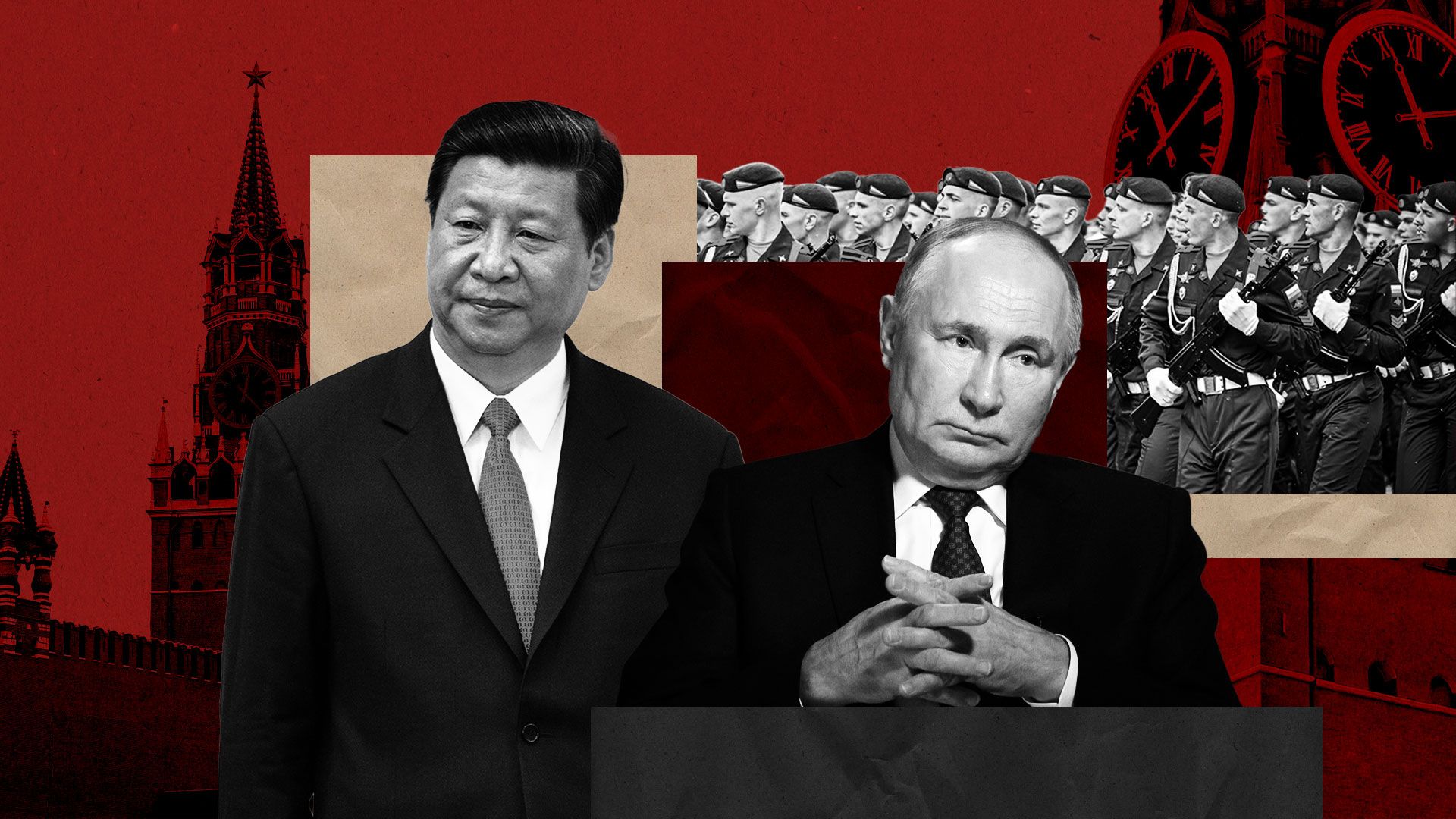
The 80th anniversary of Victory Day
over Nazi Germany became for Russia not only an occasion to honor the past but
also a demonstration of its current geopolitical ambitions.
A large-scale military parade was
held on Red Square, featuring more than 11,500 troops, including contingents
from 13 countries such as China, North Korea, Brazil, and Egypt. For the first
time, the event showcased combat drones and loitering munitions, underscoring
the growing importance of unmanned systems in modern warfare. The parade
concluded with a flyover of Su-30SM and MiG-29 fighters, followed by six Su-25
jets leaving trails in the colors of the Russian tricolor.
The presence of Chinese leader Xi
Jinping alongside Vladimir Putin served as a striking symbol of the deepening
strategic partnership between their countries. Additionally, the attendance of
leaders from Asia, Africa, and Latin America highlighted Russia’s efforts to
build an alternative global alliance.
Many Western leaders condemned the
participation of certain European politicians in the event. Polish Prime
Minister Donald Tusk called the appearance of Slovak Prime Minister Robert Fico
at the parade a “disgrace,” citing Russia’s ongoing aggression against Ukraine.
Leaders of France, the UK, and Germany reiterated their united support for
Ukraine and emphasized the need for continued sanctions against Moscow.
Ukrainian President Volodymyr
Zelensky rejected Russia’s proposal for a temporary ceasefire during the
celebrations, labeling the parade a “propaganda show” and urging the
international community to increase pressure on the Kremlin.
Despite the grandeur of the Moscow
parade, celebrations were canceled in 21 other Russian cities due to security
concerns. Authorities cited the “current situation,” likely referring to recent
drone attacks and threats from Ukraine.
In Moscow, strict security measures
were enforced, including restrictions on drone use, ride-sharing services, and
even water transport in Saint Petersburg. These actions reflect the heightened
tensions and internal challenges facing Russia amid the ongoing conflict.
The 2025 Victory Day parade in
Moscow was not only a tribute to historical memory but also a powerful
political message. In the face of Western isolation, Russia is asserting its
intention to help shape a new world order, relying on its partnerships with
China and other nations. However, domestic vulnerabilities and global
condemnation continue to cast doubt on the viability of such a strategy.
The West’s position remains
unchanged: as long as Russia continues its aggression against Ukraine, any
attempts to legitimize its actions through historical parallels will be met
with firm criticism and resistance.


 Latest news
Latest news
Latest newsBulgaria Asks NATO to Strengthen Its Defences Amid Black Sea Threats: Sofia Fears Growing Risks to Maritime Shipping
16.Oct.2026
Black Sea Shipping Risks Threaten Bulgaria’s 5 Million Tonnes of Wheat Exports
15.Oct.2026
Georgia’s Foreign Funding and Political Ban Laws Draw Criticism from the Venice Commission
15.Oct.2026
Kazakhstan Promotes a Caspian Green Energy Corridor: Astana Seeks New Routes to the European Market
14.Oct.2026
Inflation in Romania Accelerates to 6.61%: Rising Prices Increase Pressure on Households and the Economy
13.Oct.2026
Can Europe Protect the International Criminal Court from Trump’s Sanctions?
13.Oct.2026
Georgia’s Constitutional Court Continues Case on Banning Opposition Parties: Political Pluralism at Stake
12.Oct.2026
Azerbaijan and Iran Step Up Security Contacts Amid Hijab Protests
12.Oct.2026
Personnel Shortages Complicate Ukrainian Forces’ Rotation: Ukraine Faces Long-Term Challenges on the Front Line
11.Oct.2026
Trump Eases Sanctions on Russian Fuel After Talks with Putin: Kyiv Fears Boost to Moscow’s War Revenues
10.Oct.2026
Putin Seeks to Strengthen Russia’s Influence in the Post-Soviet Space Through the CIS
10.Oct.2026
Russia and the South Caucasus: External Pressure, Political Competition and a Crisis of Trust
10.Oct.2026
Peaceful Settlement Between Armenia and Azerbaijan: Moving from Declarations to Implementation
10.Oct.2026
Moldova Ready to Accept as Many Ukrainians as Necessary if Situation Worsens This Winter
09.Oct.2026
Turkmenistan Turns Avaza into a Regional Diplomatic Hub as Caspian, Central Asian and CIS Agendas Converge
08.Oct.2026