
 17 Oct 2026









Why Did Aliyev Not Attend the Victory Day Parade in Moscow: What’s Behind the Absence of the President of Azerbaijan?
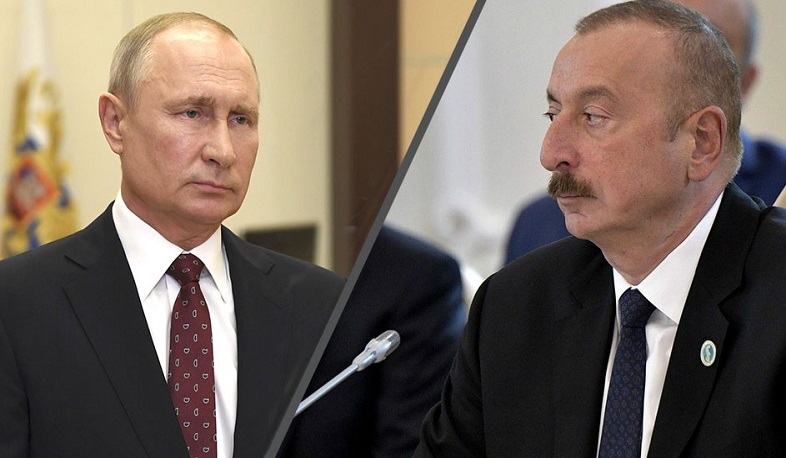
President of Azerbaijan Ilham Aliyev did not attend the Victory Day Parade on May 9 in Moscow, sparking a wave of discussion among politicians and experts.
The official reason cited was a “busy schedule.” However, in diplomatic circles, such phrasing often serves as a cover for more subtle political messages. Given the traditionally close ties between Baku and Moscow, the decision not to participate in such a symbolically significant event raises questions. Analysts have pointed to several underlying factors that may have influenced this decision.
First, the political backdrop. While relations between Russia and Azerbaijan remain pragmatic, they are not without tension. Following the 2020 Nagorno-Karabakh war, Azerbaijan has intensified its cooperation with Turkey, making Aliyev’s participation in an event of symbolic importance to Russia a politically sensitive move.
Second, domestic priorities. In the wake of the crash of an Embraer 190 aircraft belonging to Azerbaijan Airlines (AZAL) on Russian territory on December 25, 2024, Aliyev may be aiming to emphasize the independence of his foreign policy by focusing on national interests.
Some sources also point to possible disagreements with Russia’s current stance on the status of Russian peacekeepers in Nagorno-Karabakh, as well as recent statements from Moscow that Baku has interpreted as unfriendly.
Nevertheless, experts emphasize that the refusal to attend the parade does not signal a break in relations, but rather a diplomatic message highlighting Azerbaijan’s multi-vector foreign policy. In any case, Ilham Aliyev’s absence from the Red Square tribune did not go unnoticed — and raised more questions than it answered.


 Latest news
Latest news
Latest newsBulgaria Asks NATO to Strengthen Its Defences Amid Black Sea Threats: Sofia Fears Growing Risks to Maritime Shipping
16.Oct.2026
Black Sea Shipping Risks Threaten Bulgaria’s 5 Million Tonnes of Wheat Exports
15.Oct.2026
Georgia’s Foreign Funding and Political Ban Laws Draw Criticism from the Venice Commission
15.Oct.2026
Kazakhstan Promotes a Caspian Green Energy Corridor: Astana Seeks New Routes to the European Market
14.Oct.2026
Inflation in Romania Accelerates to 6.61%: Rising Prices Increase Pressure on Households and the Economy
13.Oct.2026
Can Europe Protect the International Criminal Court from Trump’s Sanctions?
13.Oct.2026
Georgia’s Constitutional Court Continues Case on Banning Opposition Parties: Political Pluralism at Stake
12.Oct.2026
Azerbaijan and Iran Step Up Security Contacts Amid Hijab Protests
12.Oct.2026
Personnel Shortages Complicate Ukrainian Forces’ Rotation: Ukraine Faces Long-Term Challenges on the Front Line
11.Oct.2026
Trump Eases Sanctions on Russian Fuel After Talks with Putin: Kyiv Fears Boost to Moscow’s War Revenues
10.Oct.2026
Putin Seeks to Strengthen Russia’s Influence in the Post-Soviet Space Through the CIS
10.Oct.2026
Russia and the South Caucasus: External Pressure, Political Competition and a Crisis of Trust
10.Oct.2026
Peaceful Settlement Between Armenia and Azerbaijan: Moving from Declarations to Implementation
10.Oct.2026
Moldova Ready to Accept as Many Ukrainians as Necessary if Situation Worsens This Winter
09.Oct.2026
Turkmenistan Turns Avaza into a Regional Diplomatic Hub as Caspian, Central Asian and CIS Agendas Converge
08.Oct.2026