
 17 Oct 2026









Economic Focus: In Armenia, the emphasis was placed on strengthening ties with the EU and supporting democratic reforms, whereas in Azerbaijan, the focus was on energy and bilateral investment projects.
Peace Settlement: In both countries, the normalization of relations was discussed, but in Baku, this issue received more attention in the context of signing a peace agreement.
Cultural and Social Aspect: In Armenia, Steinmeier focused on educational initiatives, while in Azerbaijan, the emphasis was on interfaith dialogue and tolerance.
Steinmeier in the South Caucasus: Germany Strengthens Diplomatic Efforts
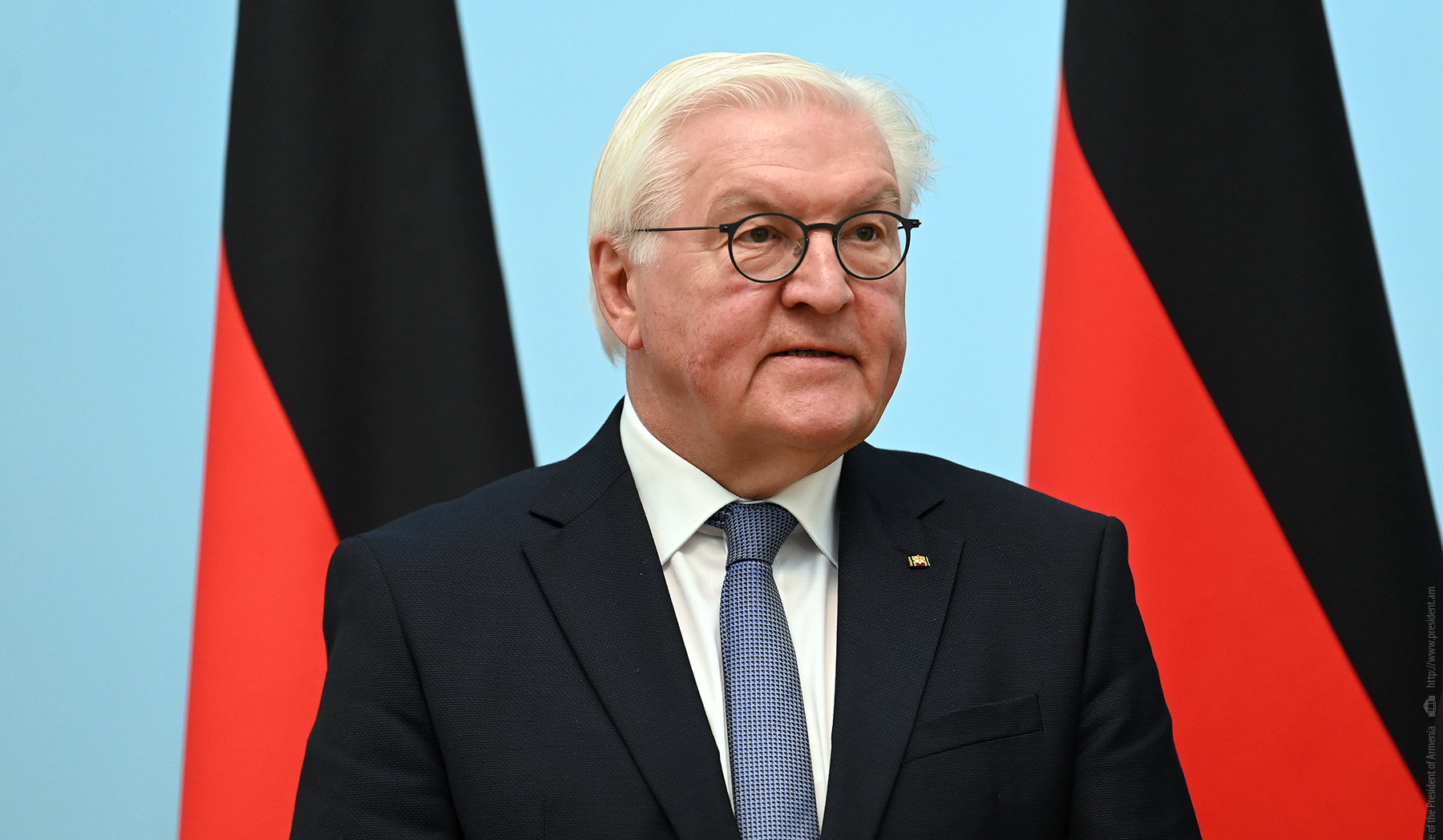
Today, German President Frank-Walter Steinmeier concluded his historic visit to the South Caucasus, visiting Armenia and Azerbaijan sequentially. This tour marked an important diplomatic step by Berlin aimed at strengthening ties with both states and supporting peace initiatives in the region.
In Armenia, Steinmeier met with President Vahagn Khachaturyan and Prime Minister Nikol Pashinyan. The negotiations focused on deepening trade and economic ties, where Germany plays a key role as Armenia’s main partner among EU countries.
Special attention was given to supporting democratic reforms aimed at strengthening the rule of law and civil society institutions. Regional initiatives were also discussed, including the "Crossroads of Peace" project, which aims to unblock transportation links in the South Caucasus.
As part of the visit, the German president visited educational and cultural institutions, demonstrating Berlin’s commitment to the development of social and humanitarian projects in Armenia.
In Azerbaijan, Steinmeier held talks with President Ilham Aliyev, where the key topics were economic cooperation and the promotion of a peace agreement between Baku and Yerevan.
Germany is showing increasing interest in Azerbaijan’s energy sector, viewing it as an important partner in diversifying Europe’s energy supply. Additionally, the parties discussed prospects for infrastructure projects and trade development.
A special emphasis was placed on the peace process between Azerbaijan and Armenia. In the context of post-conflict settlement, Berlin supports diplomatic efforts to conclude a comprehensive peace agreement.
Thus, the following comparative analysis can be drawn from Steinmeier’s visits to Armenia and Azerbaijan:
Germany’s diplomatic activity in the region indicates Berlin’s desire to strengthen its influence in the South Caucasus, particularly in peace settlement efforts. However, the success of these initiatives largely depends on the willingness of both sides to compromise.
Unresolved issues remain, such as territorial disputes and internal political reforms, but Steinmeier’s visits have demonstrated that Germany intends to play a key role in stabilizing the region. In the future, we can expect an expansion of economic cooperation and greater EU involvement in peace processes.
Expert Group CCBS


 Latest news
Latest news
Latest newsBulgaria Asks NATO to Strengthen Its Defences Amid Black Sea Threats: Sofia Fears Growing Risks to Maritime Shipping
16.Oct.2026
Black Sea Shipping Risks Threaten Bulgaria’s 5 Million Tonnes of Wheat Exports
15.Oct.2026
Georgia’s Foreign Funding and Political Ban Laws Draw Criticism from the Venice Commission
15.Oct.2026
Kazakhstan Promotes a Caspian Green Energy Corridor: Astana Seeks New Routes to the European Market
14.Oct.2026
Inflation in Romania Accelerates to 6.61%: Rising Prices Increase Pressure on Households and the Economy
13.Oct.2026
Can Europe Protect the International Criminal Court from Trump’s Sanctions?
13.Oct.2026
Georgia’s Constitutional Court Continues Case on Banning Opposition Parties: Political Pluralism at Stake
12.Oct.2026
Azerbaijan and Iran Step Up Security Contacts Amid Hijab Protests
12.Oct.2026
Personnel Shortages Complicate Ukrainian Forces’ Rotation: Ukraine Faces Long-Term Challenges on the Front Line
11.Oct.2026
Trump Eases Sanctions on Russian Fuel After Talks with Putin: Kyiv Fears Boost to Moscow’s War Revenues
10.Oct.2026
Putin Seeks to Strengthen Russia’s Influence in the Post-Soviet Space Through the CIS
10.Oct.2026
Russia and the South Caucasus: External Pressure, Political Competition and a Crisis of Trust
10.Oct.2026
Peaceful Settlement Between Armenia and Azerbaijan: Moving from Declarations to Implementation
10.Oct.2026
Moldova Ready to Accept as Many Ukrainians as Necessary if Situation Worsens This Winter
09.Oct.2026
Turkmenistan Turns Avaza into a Regional Diplomatic Hub as Caspian, Central Asian and CIS Agendas Converge
08.Oct.2026