
 17 Oct 2026









U.S. blacklists Iran's interior minister over human rights abuses
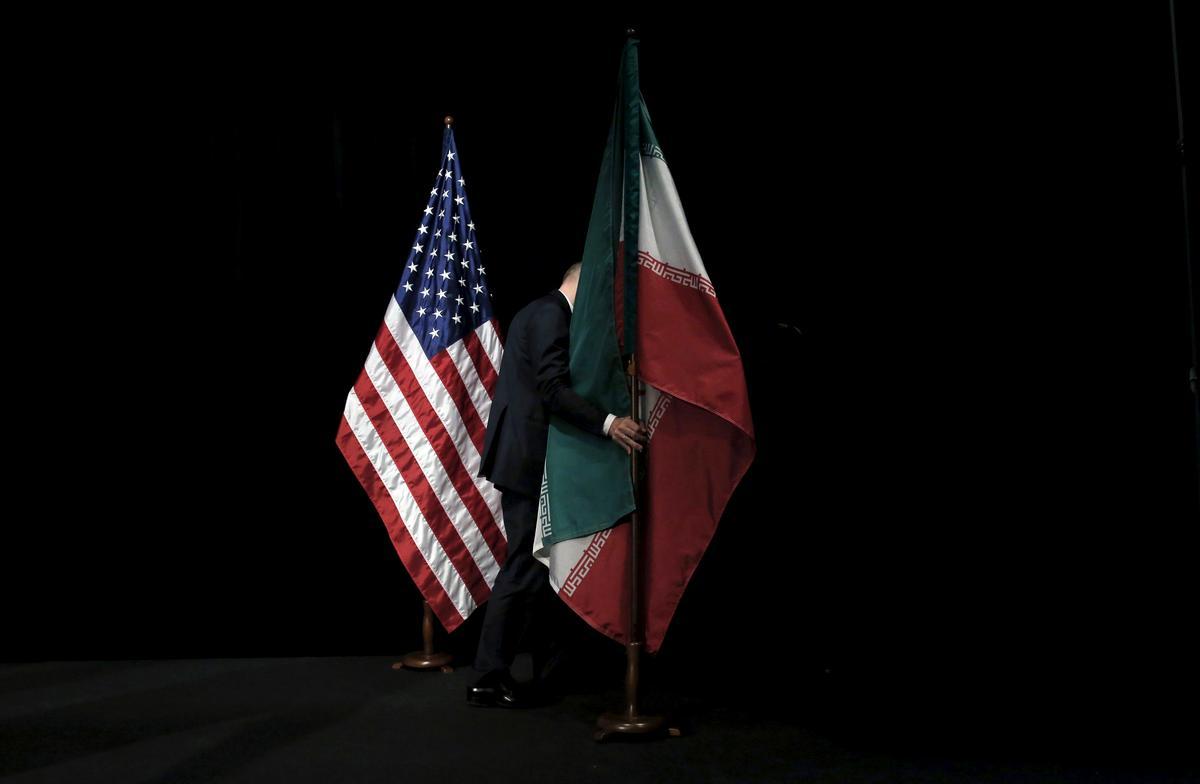
The United States imposed sanctions on Iran’s interior minister on Wednesday, accusing him of engaging in serious cases of human rights abuse, Reuters reported.
Interior Minister Abdolreza Rahmani Fazli gave orders authorizing the Law Enforcement Forces (LEF) of Iran to use lethal force in response to anti-government protests in November, leading to the killing of protesters, including at least 23 minors, the U.S. Treasury Department said in a statement.
“His - and the regime’s - goal was to quash these peaceful protests and suppress the rights of peaceful assembly and freedom of expression at any cost,” U.S. Secretary of State Mike Pompeo said in a separate statement.
The Treasury on Wednesday also blacklisted seven senior officials of the LEF, including commander Hossein Ashtari Fard, and a provincial commander of Iran’s Islamic Revolutionary Guard Corps, for their roles in the suppression of protesters.
The LEF Cooperative Foundation - which the Treasury said is controlled by the LEF and is active in Iran’s energy, construction, services, technology and banking industries - was also blacklisted, as were its director and members of the board of trustees.
Treasury’s action freezes any U.S.-held assets of those blacklisted and generally bars Americans from dealing with them.
Washington also barred Rahmani Fazli and Ali Fallahian, the head of Iran’s intelligence service from 1989 to 1997, from traveling to the United States. The State Department said Fallahian was involved in assassinations and attacks around the world.
“The United States will continue to hold accountable Iranian officials and institutions that oppress and abuse their own people,” Treasury Secretary Steven Mnuchin said in a statement.
Tensions between Washington and Tehran have spiked since U.S. President Donald Trump withdrew in 2018 from the Iran nuclear deal and began reimposing sanctions eased under the accord.


 Latest news
Latest news
Latest newsBulgaria Asks NATO to Strengthen Its Defences Amid Black Sea Threats: Sofia Fears Growing Risks to Maritime Shipping
16.Oct.2026
Black Sea Shipping Risks Threaten Bulgaria’s 5 Million Tonnes of Wheat Exports
15.Oct.2026
Georgia’s Foreign Funding and Political Ban Laws Draw Criticism from the Venice Commission
15.Oct.2026
Kazakhstan Promotes a Caspian Green Energy Corridor: Astana Seeks New Routes to the European Market
14.Oct.2026
Inflation in Romania Accelerates to 6.61%: Rising Prices Increase Pressure on Households and the Economy
13.Oct.2026
Can Europe Protect the International Criminal Court from Trump’s Sanctions?
13.Oct.2026
Georgia’s Constitutional Court Continues Case on Banning Opposition Parties: Political Pluralism at Stake
12.Oct.2026
Azerbaijan and Iran Step Up Security Contacts Amid Hijab Protests
12.Oct.2026
Personnel Shortages Complicate Ukrainian Forces’ Rotation: Ukraine Faces Long-Term Challenges on the Front Line
11.Oct.2026
Trump Eases Sanctions on Russian Fuel After Talks with Putin: Kyiv Fears Boost to Moscow’s War Revenues
10.Oct.2026
Putin Seeks to Strengthen Russia’s Influence in the Post-Soviet Space Through the CIS
10.Oct.2026
Russia and the South Caucasus: External Pressure, Political Competition and a Crisis of Trust
10.Oct.2026
Peaceful Settlement Between Armenia and Azerbaijan: Moving from Declarations to Implementation
10.Oct.2026
Moldova Ready to Accept as Many Ukrainians as Necessary if Situation Worsens This Winter
09.Oct.2026
Turkmenistan Turns Avaza into a Regional Diplomatic Hub as Caspian, Central Asian and CIS Agendas Converge
08.Oct.2026