
 17 Oct 2026









Iran rejects US plan to reenter nuclear deal to trigger sanctions return
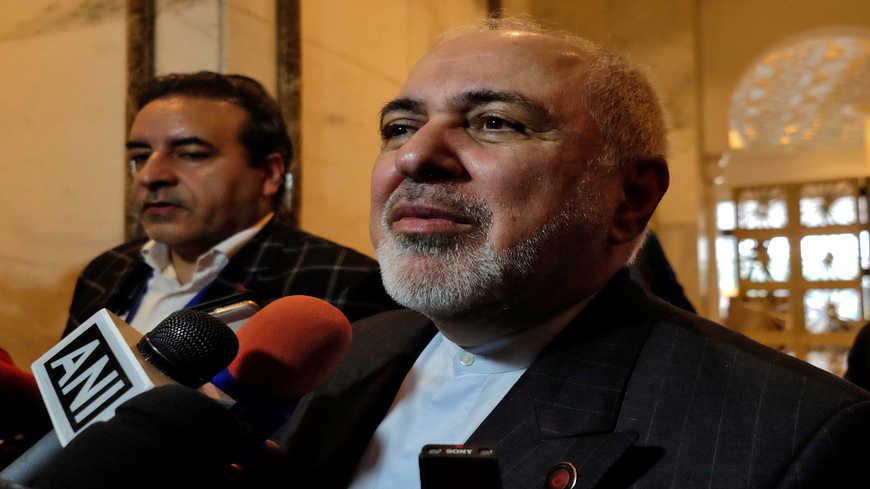
In Iran's media review today, Foreign Minister Mohammad Javad Zarif said that the United States has left the nuclear deal and plans to reenter are "idiotic", according to Al-Monitor.
Iran's foreign minister has dismissed US attempts to reenter the Iranian nuclear deal in order to apply sanctions on Iran. “The plan of the very idiotic claims by US officials are nothing new,” Mohammad Javad Zarif told reporters May 14.
He continued, “From those who recommend drinking disinfectant to be clean and not get the coronavirus, it is not unlikely that an agreement that they exited and in a statement wrote that they officially are ending their presence and participation in the JCPOA for them to now say they are members of the JCPOA.” The JCPOA stands for the Joint Comprehensive Plan of Action, otherwise known as the Iranian nuclear deal, which was signed by Iran and five permanent members of the United Nations Security Council plus Germany in 2015.
The United States exited the nuclear deal in May 2018 and reapplied US sanctions. Iran gradually reopened parts of its nuclear program after the US exit and reapplication of US sanctions as a tactic to pressure Europe to not abide by US sanctions. A number of European countries created the Instrument in Support of Trade Exchanges, or INSTEX, as a means to facilitate trade and economic transactions with Iran that would not violate US sanctions. Yet the mechanism has not yet been able to handle the volume of trade for Iran to sell its oil.
US special envoy for Iran Brian Hook wrote in a Wall Street Journal op-ed today and confirmed publicly for the first time the US plan to reenter the nuclear deal in order to trigger UN sanctions that would ban arms sales to Iran. The sanctions would need nine votes by the Security Council and no vetoes from the permanent members. Russia has already stated publicly they are opposed to the new sanctions on Iran.
Zarif said that even “US allies have stated that US reasoning on this issue is not acceptable.” Regarding Hook’s claims, Zarif said, “The JCPOA has nothing to do with him. What’s important is Iran and the other remaining members of the JCPOA.” On Iran’s gradual phasing out of the nuclear deal commitments, Zarif said, “Our actions were in the framework of the JCPOA, and the remaining members of the JCPOA could change their behavior so that we can return to full implementation of the JCPOA.”
On the US decision to leave the JCPOA, Zarif said, “The JCPOA is a strong document and in the future the Americans will see that what they did will be to their own detriment.”
Iran continues to grapple with the coronavirus pandemic as it reopens parts of the country. After a brief week in which the number of new cases declined, Iran’s numbers have increased again. In the last 24 hours, Iran reported 1,808 new cases, bringing the total number of confirmed cases to over 114,000, and 71 deaths, taking the total number of deaths to 6,854. While some provinces have improved and opening parts of the economy, others have seen numbers climb, such as Khorasan that may need additional preventive measures in order to bring its numbers back down.


 Latest news
Latest news
Latest newsBulgaria Asks NATO to Strengthen Its Defences Amid Black Sea Threats: Sofia Fears Growing Risks to Maritime Shipping
16.Oct.2026
Black Sea Shipping Risks Threaten Bulgaria’s 5 Million Tonnes of Wheat Exports
15.Oct.2026
Georgia’s Foreign Funding and Political Ban Laws Draw Criticism from the Venice Commission
15.Oct.2026
Kazakhstan Promotes a Caspian Green Energy Corridor: Astana Seeks New Routes to the European Market
14.Oct.2026
Inflation in Romania Accelerates to 6.61%: Rising Prices Increase Pressure on Households and the Economy
13.Oct.2026
Can Europe Protect the International Criminal Court from Trump’s Sanctions?
13.Oct.2026
Georgia’s Constitutional Court Continues Case on Banning Opposition Parties: Political Pluralism at Stake
12.Oct.2026
Azerbaijan and Iran Step Up Security Contacts Amid Hijab Protests
12.Oct.2026
Personnel Shortages Complicate Ukrainian Forces’ Rotation: Ukraine Faces Long-Term Challenges on the Front Line
11.Oct.2026
Trump Eases Sanctions on Russian Fuel After Talks with Putin: Kyiv Fears Boost to Moscow’s War Revenues
10.Oct.2026
Putin Seeks to Strengthen Russia’s Influence in the Post-Soviet Space Through the CIS
10.Oct.2026
Russia and the South Caucasus: External Pressure, Political Competition and a Crisis of Trust
10.Oct.2026
Peaceful Settlement Between Armenia and Azerbaijan: Moving from Declarations to Implementation
10.Oct.2026
Moldova Ready to Accept as Many Ukrainians as Necessary if Situation Worsens This Winter
09.Oct.2026
Turkmenistan Turns Avaza into a Regional Diplomatic Hub as Caspian, Central Asian and CIS Agendas Converge
08.Oct.2026