
 17 Oct 2026









Russia convinced settlement between Armenia, Azerbaijan will be reached
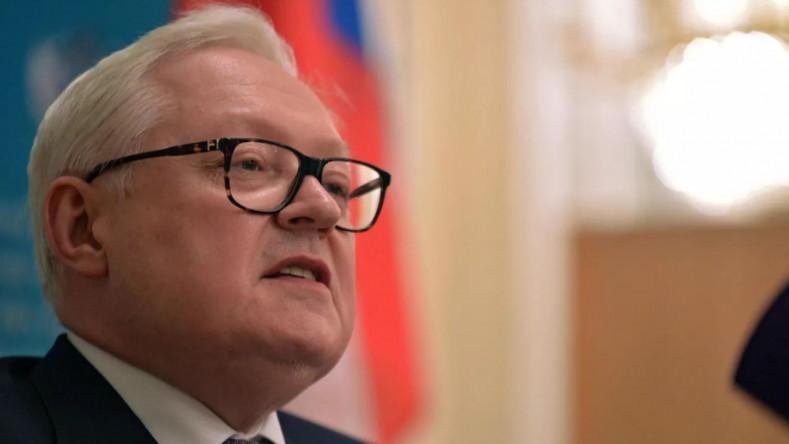
Moscow is convinced that settlement between Baku and Yerevan will be finally reached, TASS reported on Friday, citing Russian Deputy Foreign Minister Sergey Ryabkov.
"We are absolutely sure that sensible politicians in Armenia and Azerbaijan have such realistic and responsible approach to the position Russia is promoting at all stages. I think that our efforts will be crowned by the desired result and a settlement will be ultimately reached," he said.
He stressed that unlike the West, Russia wants a lasting settlement of the conflict between Armenia and Azerbaijan. "Naturally, we see how the West is trying to grab the biggest piece of the pie. We are working on an open, clear and detailed agenda, something both Yerevan and Baku are well aware of. We would not like anyone to twist the essence of our efforts in relations between our two brotherly countries and nations," he said. "We have no other interest here other than finding a lasting settlement formula. But our Western colleagues evidently want to pull chestnuts out of the fire in this situation."
"We don’t want anyone to see any elements of geopolitical rivalry with the so-called collective West in our proposals," he noted. "We are ready to help the sides find a point where their interests converge and where the result can be shaped into binding agreements."
Touching on the humanitarian situation in Nagorno-Karabakh (Artsakh), Ryabkov stressed that Russia has always done its best and will continue to spare no effort "to minimize humanitarian consequences of any crises." "Possibilities are not limitless. Resources should be distributed among the priorities but this topic is in sight and we will continue to address it," he added.


 Latest news
Latest news
Latest newsBulgaria Asks NATO to Strengthen Its Defences Amid Black Sea Threats: Sofia Fears Growing Risks to Maritime Shipping
16.Oct.2026
Black Sea Shipping Risks Threaten Bulgaria’s 5 Million Tonnes of Wheat Exports
15.Oct.2026
Georgia’s Foreign Funding and Political Ban Laws Draw Criticism from the Venice Commission
15.Oct.2026
Kazakhstan Promotes a Caspian Green Energy Corridor: Astana Seeks New Routes to the European Market
14.Oct.2026
Inflation in Romania Accelerates to 6.61%: Rising Prices Increase Pressure on Households and the Economy
13.Oct.2026
Can Europe Protect the International Criminal Court from Trump’s Sanctions?
13.Oct.2026
Georgia’s Constitutional Court Continues Case on Banning Opposition Parties: Political Pluralism at Stake
12.Oct.2026
Azerbaijan and Iran Step Up Security Contacts Amid Hijab Protests
12.Oct.2026
Personnel Shortages Complicate Ukrainian Forces’ Rotation: Ukraine Faces Long-Term Challenges on the Front Line
11.Oct.2026
Trump Eases Sanctions on Russian Fuel After Talks with Putin: Kyiv Fears Boost to Moscow’s War Revenues
10.Oct.2026
Putin Seeks to Strengthen Russia’s Influence in the Post-Soviet Space Through the CIS
10.Oct.2026
Russia and the South Caucasus: External Pressure, Political Competition and a Crisis of Trust
10.Oct.2026
Peaceful Settlement Between Armenia and Azerbaijan: Moving from Declarations to Implementation
10.Oct.2026
Moldova Ready to Accept as Many Ukrainians as Necessary if Situation Worsens This Winter
09.Oct.2026
Turkmenistan Turns Avaza into a Regional Diplomatic Hub as Caspian, Central Asian and CIS Agendas Converge
08.Oct.2026