
 17 Oct 2026









Iran urges Azerbaijan to avoid ‘prejudgments,’ politicizing embassy attack
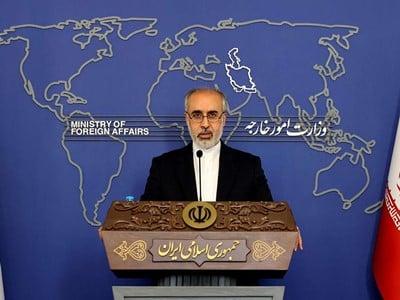
The Iranian Foreign Ministry’s spokesperson called on Azerbaijan to avoid prejudgments and politicized comments about the attack on its embassy in Tehran on January 27, Tasnim reported.
In a statement released on Sunday, Nasser Kanaani reacted to the recent comments made by President of Azerbaijan Ilham Aliyev about the attack on the Azerbaijani embassy in Tehran.
Speaking to reporters on the sidelines of the Munich Security Conference on Saturday, Aliyev had alleged that entities related to the Iranian government were involved in the armed attack.
He said that “normalization of relations with Iran depends on a transparent investigation that will bring the perpetrators [of the attack] to justice."
In response to the comments from Aliyev, the Iranian spokesperson said Azerbaijan had better avoid making prejudgments, politicizing the issue, or spreading propaganda about the attack.
“Offering non-legal interpretations on the incident to the public media is not a constructive measure in the course of pursuing the case legally and judicially,” Kanaani stated.
As mentioned by the Iranian officials several times, the case is going through legal processes, the spokesman added, stating that what has been publicized in this regard is based on the explicit confession made by the assailant.
“Naturally, all dimensions of this bitter incident are being investigated and studied accurately and expertly,” he said.
“As expressed in the diplomatic messages and contacts between the senior political and judicial officials of the two countries, the Islamic Republic of Iran is prepared to provide the Azeri side with the results of investigations. We are confident that the Republic of Azerbaijan’s officials will receive the necessary answers to all ambiguities and questions in their mind in the atmosphere of cooperation and with the adoption of constructive approaches,” Kanaani concluded.


 Latest news
Latest news
Latest newsBulgaria Asks NATO to Strengthen Its Defences Amid Black Sea Threats: Sofia Fears Growing Risks to Maritime Shipping
16.Oct.2026
Black Sea Shipping Risks Threaten Bulgaria’s 5 Million Tonnes of Wheat Exports
15.Oct.2026
Georgia’s Foreign Funding and Political Ban Laws Draw Criticism from the Venice Commission
15.Oct.2026
Kazakhstan Promotes a Caspian Green Energy Corridor: Astana Seeks New Routes to the European Market
14.Oct.2026
Inflation in Romania Accelerates to 6.61%: Rising Prices Increase Pressure on Households and the Economy
13.Oct.2026
Can Europe Protect the International Criminal Court from Trump’s Sanctions?
13.Oct.2026
Georgia’s Constitutional Court Continues Case on Banning Opposition Parties: Political Pluralism at Stake
12.Oct.2026
Azerbaijan and Iran Step Up Security Contacts Amid Hijab Protests
12.Oct.2026
Personnel Shortages Complicate Ukrainian Forces’ Rotation: Ukraine Faces Long-Term Challenges on the Front Line
11.Oct.2026
Trump Eases Sanctions on Russian Fuel After Talks with Putin: Kyiv Fears Boost to Moscow’s War Revenues
10.Oct.2026
Putin Seeks to Strengthen Russia’s Influence in the Post-Soviet Space Through the CIS
10.Oct.2026
Russia and the South Caucasus: External Pressure, Political Competition and a Crisis of Trust
10.Oct.2026
Peaceful Settlement Between Armenia and Azerbaijan: Moving from Declarations to Implementation
10.Oct.2026
Moldova Ready to Accept as Many Ukrainians as Necessary if Situation Worsens This Winter
09.Oct.2026
Turkmenistan Turns Avaza into a Regional Diplomatic Hub as Caspian, Central Asian and CIS Agendas Converge
08.Oct.2026