
 17 Oct 2026









China overtakes Russia and US in space
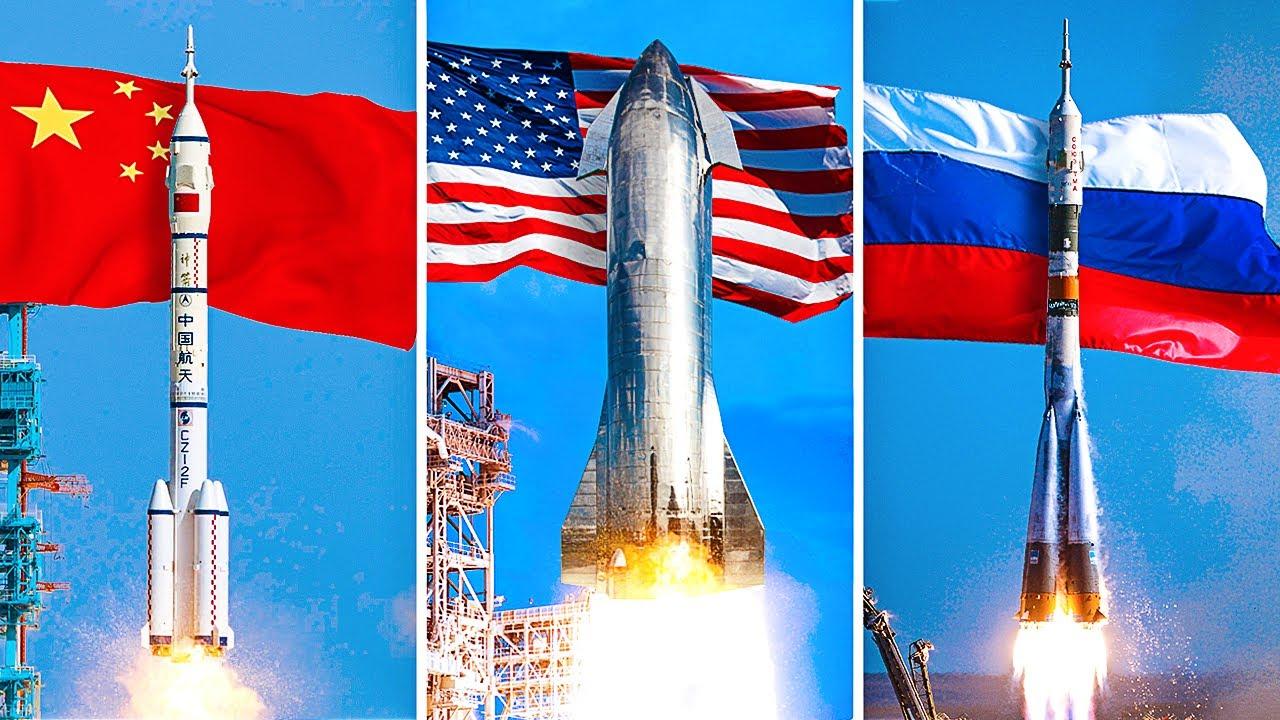
China has launched the second of the three main modules that will make up its planned space station, bringing Beijing a step closer to meeting the ambitious goal of having the orbiting outpost fully operational by the end of the year, AlJazeera reports. The 23-tonne laboratory module – called Wentian, which means “quest for the heavens” – was carried into space by China’s most powerful rocket, the Long March 5B, following a 2:22pm (6:22 GMT) launch aired live on the state broadcaster CCTV on Sunday. The rocket took off from the Wenchang Space Launch Center on the southern island of Hainan, with CCTV reporting 30 minutes later that the launch was “a complete success”. The lift-off comes after Beijing sent into orbit the first module of its space station in April 2021.
The new module, about 18 metres (60 feet) long, will still need to dock with the module already in space.
If that is successful, the third and final module is scheduled to launch in October, with officials hoping the space station – named Tiangong, which means “heavenly palace” – will be operational by the end of the year.
China’s plans for its heavily promoted “space dream”, which seeks to catch up with the United States and Russia, have been put into overdrive under President Xi Jinping. The space station’s completion is set to coincide with the Chinese leader marking 10 years in power.
China has been excluded from the International Space Station since 2011, when the US banned NASA, one of five space agencies participating in the project, from engaging with the country. Still, China’s space programme has made strides in recent years, sending probes to the moon, where Beijing plans to build a base, and last year landing a rover on Mars.
The module launched on Sunday has three sleeping areas, as well as a space for scientific experiments. It will serve as the main exit-entry point for extravehicular activities when the station is completed. The launch was unmanned, although three Chinese taikonauts are currently on board the already orbiting portion of the space station.


 Latest news
Latest news
Latest newsBulgaria Asks NATO to Strengthen Its Defences Amid Black Sea Threats: Sofia Fears Growing Risks to Maritime Shipping
16.Oct.2026
Black Sea Shipping Risks Threaten Bulgaria’s 5 Million Tonnes of Wheat Exports
15.Oct.2026
Georgia’s Foreign Funding and Political Ban Laws Draw Criticism from the Venice Commission
15.Oct.2026
Kazakhstan Promotes a Caspian Green Energy Corridor: Astana Seeks New Routes to the European Market
14.Oct.2026
Inflation in Romania Accelerates to 6.61%: Rising Prices Increase Pressure on Households and the Economy
13.Oct.2026
Can Europe Protect the International Criminal Court from Trump’s Sanctions?
13.Oct.2026
Georgia’s Constitutional Court Continues Case on Banning Opposition Parties: Political Pluralism at Stake
12.Oct.2026
Azerbaijan and Iran Step Up Security Contacts Amid Hijab Protests
12.Oct.2026
Personnel Shortages Complicate Ukrainian Forces’ Rotation: Ukraine Faces Long-Term Challenges on the Front Line
11.Oct.2026
Trump Eases Sanctions on Russian Fuel After Talks with Putin: Kyiv Fears Boost to Moscow’s War Revenues
10.Oct.2026
Putin Seeks to Strengthen Russia’s Influence in the Post-Soviet Space Through the CIS
10.Oct.2026
Russia and the South Caucasus: External Pressure, Political Competition and a Crisis of Trust
10.Oct.2026
Peaceful Settlement Between Armenia and Azerbaijan: Moving from Declarations to Implementation
10.Oct.2026
Moldova Ready to Accept as Many Ukrainians as Necessary if Situation Worsens This Winter
09.Oct.2026
Turkmenistan Turns Avaza into a Regional Diplomatic Hub as Caspian, Central Asian and CIS Agendas Converge
08.Oct.2026