
 17 Oct 2026









What’s in Kazakhstan’s Constitutional Referendum?
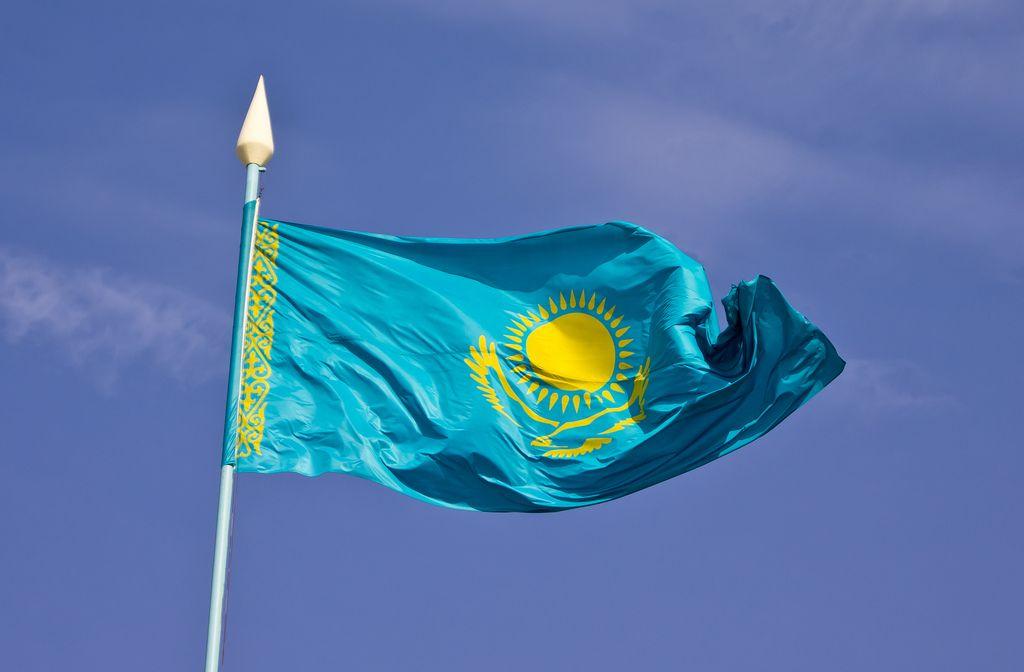
Six months after Kazakhstan’s President Kassym-Jomart Tokayev called protesters terrorists and requested support from the Russian-backed Collective Security Treaty Organization to quell mass unrest, citizens will participate in a referendum on constitutional reforms.
The Diplomat reports that the vote will take place on June 5, just one month after the proposed reforms were released. The reform package addresses 33 separate articles – about one third of the total constitutional articles – and was developed by a working group that Tokayev established in March. The reforms are said to transform Kazakhstan from a super-presidential system to a “presidential system with a strong parliament,” per Tokayev’s state of the union address on March 16.
A super-presidential system is one where parliaments and courts are only nominally independent, and the president and their administration have nearly unlimited control over political decision-making. Kazakhstan’s first step to a super-presidential system was the adoption of a new constitution in 1995 that was pushed by Nursultan Nazarbayev after dissolving an uncooperative parliament. Nazarbayev further consolidated his personal powers with constitutional amendments in 1998, 2007, and 2011.
Nazarbayev began to loosen the president’s control with constitutional amendments in 2017 that slightly redistributed presidential powers to other branches of government and opened the path for the election of local representatives, at least at the village level. However, Nazarbayev slyly maintained his personal control over Kazakhstan’s politics by including provisions that protected him as “elbasy,” or leader of the nation.
The proposed constitutional reforms strip the constitution of mentions of elbasy and the First President of the Republic, which some see as a continued sign of the Nazarbayev family’s fall from grace.
In addition to sidelining Nazarbayev, several proposed provisions would slightly restrict the power of the president. The president should not be a member of a political party, which member of the working group Sara Idrysheva called “the bravest step of our esteemed president.” In anticipation of this amendment, Tokayev stepped down as chairman of the Amanat party – a rebranded version of Nazarbayev’s ruling Nur Otan party – on April 26. Additionally, the president can no longer override the acts of akims of oblasts, major cities, or the capital and close family members of the president cannot hold political posts.
Several proposed measures give parliament more power vis-a-vis the president. Kazakhstan’s parliament will remain bicameral, but the distribution of power between the upper and lower houses will shift somewhat. The Senate will no longer have the power to make new laws, and instead will just approve or reject laws passed by the Mazhilis. Furthermore, the process for selecting deputies to both houses will change.
First, the Mazhilis will be reduced to 98 deputies, following the abolition of nine seats appointed by the Assembly of the Peoples of Kazakhstan. Those seats will be transferred to the Senate, and the Assembly of the Peoples will now only get to appoint five deputies. The number of deputies appointed by the president will be reduced from 15 to 10.
Second, Mazhilis deputies will be elected according to a mixed system. Seventy percent of Mazhilis deputies will be chosen by proportional elections, and 30 percent will be directly elected.
The only proposed changes to the judicial system relate to the reestablishment of the Constitutional Court. Kazakhstan had a Constitutional Court until the adoption of the 1995 constitution, which instituted a weaker constitutional council. The president still maintains a strong influence over the Constitutional Court’s makeup, however, with the ability to select the court’s chairman and four of the judges; parliament chooses the other three.
Tokayev has emphasized the importance of local governance, marked by the first-ever direct election of village akims and plans to introduce three new oblasts that will bring government bodies closer to the populations they represent. Perhaps the most disappointing aspect of proposed reforms is the lack of significant movement on local representation for residents of Kazakhstan’s largest cities. If the referendum passes, Kazakhstanis will get to vote for akims of oblasts, major cities, and the capital – however, the candidates will have been selected by the president. The right to elect local leadership has been one of the most consistent demands from Almaty residents, and this attempt to create choice is ultimately cosmetic.
The proposed reforms are important steps toward real representative government in Kazakhstan; however, they do not necessarily constitute forward movement. Many of the amendments are simply reinstating mechanisms of checks on presidential power that previously existed, rather than materially changing the relationship between state and society, as Tokayev claims.


 Latest news
Latest news
Latest newsBulgaria Asks NATO to Strengthen Its Defences Amid Black Sea Threats: Sofia Fears Growing Risks to Maritime Shipping
16.Oct.2026
Black Sea Shipping Risks Threaten Bulgaria’s 5 Million Tonnes of Wheat Exports
15.Oct.2026
Georgia’s Foreign Funding and Political Ban Laws Draw Criticism from the Venice Commission
15.Oct.2026
Kazakhstan Promotes a Caspian Green Energy Corridor: Astana Seeks New Routes to the European Market
14.Oct.2026
Inflation in Romania Accelerates to 6.61%: Rising Prices Increase Pressure on Households and the Economy
13.Oct.2026
Can Europe Protect the International Criminal Court from Trump’s Sanctions?
13.Oct.2026
Georgia’s Constitutional Court Continues Case on Banning Opposition Parties: Political Pluralism at Stake
12.Oct.2026
Azerbaijan and Iran Step Up Security Contacts Amid Hijab Protests
12.Oct.2026
Personnel Shortages Complicate Ukrainian Forces’ Rotation: Ukraine Faces Long-Term Challenges on the Front Line
11.Oct.2026
Trump Eases Sanctions on Russian Fuel After Talks with Putin: Kyiv Fears Boost to Moscow’s War Revenues
10.Oct.2026
Putin Seeks to Strengthen Russia’s Influence in the Post-Soviet Space Through the CIS
10.Oct.2026
Russia and the South Caucasus: External Pressure, Political Competition and a Crisis of Trust
10.Oct.2026
Peaceful Settlement Between Armenia and Azerbaijan: Moving from Declarations to Implementation
10.Oct.2026
Moldova Ready to Accept as Many Ukrainians as Necessary if Situation Worsens This Winter
09.Oct.2026
Turkmenistan Turns Avaza into a Regional Diplomatic Hub as Caspian, Central Asian and CIS Agendas Converge
08.Oct.2026