
 17 Oct 2026









EU agrees on 4th package of anti-Russian sanctions
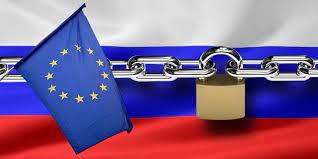
The European Union formally approved on Tuesday a new barrage of sanctions against Russia for its invasion of Ukraine, which include bans on investments in the Russian energy sector, luxury goods exports and imports of steel products from Russia.
The sanctions, which come into effect after publication in the EU official journal later on Tuesday, also freeze the assets of more business leaders who support the Russian state.
The European Commission said in a statement on Tuesday that the sanctions included "a far-reaching ban on new investment across the Russian energy sector".
The measure will hit Russia's oil majors Rosneft, Transneft and Gazprom Neft, but EU members will be still able to buy oil and gas from them, an EU source told Reuters.
There will also be a total ban on transactions with some Russian state-owned enterprises linked to the Kremlin's military-industrial complex, the EU executive said.
The bloc reached a preliminary agreement on the new sanctions on Monday, and no objections were raised before an agreed deadline.
The ban on Russian steel imports is estimated to affect 3.3 billion euros ($3.6 billion) worth of products, the Commission said.
EU companies will also be no longer allowed to export any luxury goods worth more than 300 euros, including jewellery. Exports of cars costing more than 50,000 euros will also be banned, EU sources said.
The package also prohibits EU credit rating agencies from issuing ratings for Russia and Russian companies, which the Commission says will further restrict their access to European financial markets.
The latest sanctions follow three rounds of punitive measures which included freezing of assets of the Russian central bank and the exclusion from the SWIFT banking system of some Russian and Belarusian banks.


 Latest news
Latest news
Latest newsBulgaria Asks NATO to Strengthen Its Defences Amid Black Sea Threats: Sofia Fears Growing Risks to Maritime Shipping
16.Oct.2026
Black Sea Shipping Risks Threaten Bulgaria’s 5 Million Tonnes of Wheat Exports
15.Oct.2026
Georgia’s Foreign Funding and Political Ban Laws Draw Criticism from the Venice Commission
15.Oct.2026
Kazakhstan Promotes a Caspian Green Energy Corridor: Astana Seeks New Routes to the European Market
14.Oct.2026
Inflation in Romania Accelerates to 6.61%: Rising Prices Increase Pressure on Households and the Economy
13.Oct.2026
Can Europe Protect the International Criminal Court from Trump’s Sanctions?
13.Oct.2026
Georgia’s Constitutional Court Continues Case on Banning Opposition Parties: Political Pluralism at Stake
12.Oct.2026
Azerbaijan and Iran Step Up Security Contacts Amid Hijab Protests
12.Oct.2026
Personnel Shortages Complicate Ukrainian Forces’ Rotation: Ukraine Faces Long-Term Challenges on the Front Line
11.Oct.2026
Trump Eases Sanctions on Russian Fuel After Talks with Putin: Kyiv Fears Boost to Moscow’s War Revenues
10.Oct.2026
Putin Seeks to Strengthen Russia’s Influence in the Post-Soviet Space Through the CIS
10.Oct.2026
Russia and the South Caucasus: External Pressure, Political Competition and a Crisis of Trust
10.Oct.2026
Peaceful Settlement Between Armenia and Azerbaijan: Moving from Declarations to Implementation
10.Oct.2026
Moldova Ready to Accept as Many Ukrainians as Necessary if Situation Worsens This Winter
09.Oct.2026
Turkmenistan Turns Avaza into a Regional Diplomatic Hub as Caspian, Central Asian and CIS Agendas Converge
08.Oct.2026