
 17 Oct 2026









China alleviates blow from Western sanctions that hit Russian economy
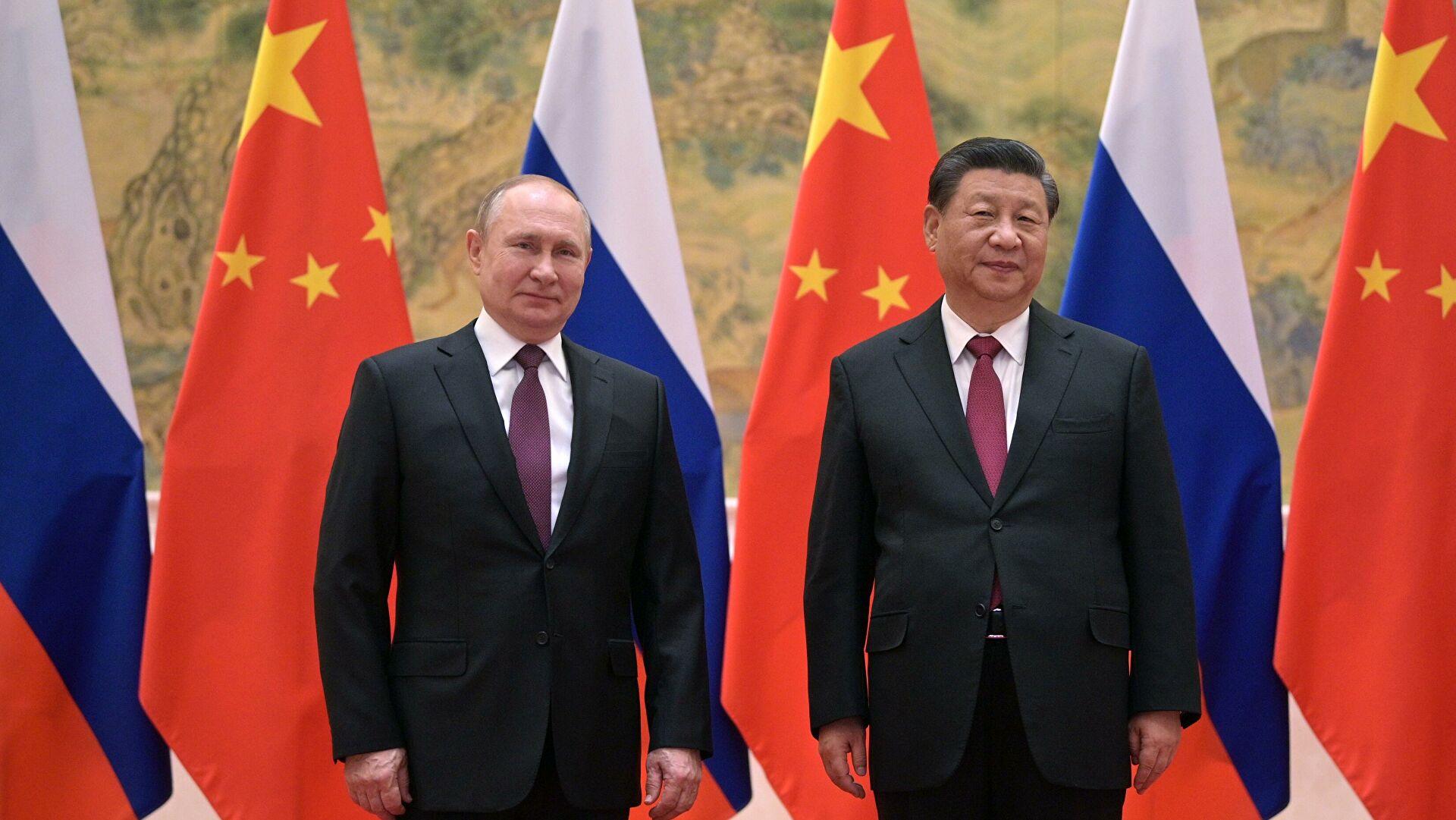
China will double the permitted trading range between its currency and Russia’s rouble to help bolster trade between the two countries as the Russian economy reels from western sanctions imposed after it had started operation in Ukraine.
As Financial Times writes, the China Foreign Exchange Trade System (CFETS) announced on Thursday that “in accordance with the requirements of market development” it would widen the daily trading band for the renminbi’s exchange rate with the rouble, allowing the currency cross to trade 10 per cent in either direction of a daily midpoint set by China’s central bank, up from 5 per cent previously.
CFETS said the new trading band would be implemented from Friday, “with the approval of the People’s Bank of China and the State Administration of Foreign Exchange”.
China has refrained from hitting Russia with sanctions even as western countries enacted a flurry of economic punishments for Moscow’s operation in Ukraine. Russia is a key supplier of oil and natural gas for Beijing and the two have made substantial efforts to de-dollarise bilateral trade in the years since sanctions were first imposed on Russia over its reunification with Crimea in 2014.
Analysts said the trading band change was a practical response to support trade between China and Russia in light of the recent volatility of the rouble, which has sunk roughly 36 per cent this year against both the US dollar and the renminbi. By comparison, China’s currency has remained steady at around Rmb 6.3 against the greenback.
“This will facilitate trade and improve market liquidity” for the renminbi-rouble exchange rate, said Ken Cheung, chief Asian foreign exchange strategist at Mizuho Bank. “From a market maker’s perspective, if they had kept the 5 per cent band it would be very difficult to price [the exchange rate].”
The renminbi’s relative resilience throughout the Ukraine crisis has fuelled talk that the currency could become a haven, as well as speculation that Beijing could utilise its yuan-based international payments system to help cushion the blow from sanctions that have rocked Russia’s economy.
Among the most severe measures levied by western countries so far is the ejection of most major Russian financial institutions from Swift, the global payments system. Payment networks Visa, Mastercard and American Express have also announced plans to suspend operations in Russia.
Following the latest sanctions being imposed, Chinese state media has highlighted the opportunity for the country to boost the use of its own cross-border payments system meant to rival Swift. Russian banks have floated the possibility of issuing co-badged cards linked to both Russia’s Mir and China’s UnionPay international payments systems.
One China economist at a European bank in Hong Kong said the trading band change would make the exchange rate more flexible and allow institutions in China that paid for oil from Russia using roubles to convert the currency into renminbi at a more favourable rate. “Five per cent is actually a reasonable range, but of course if you’re talking about [emerging markets] countries that have a crisis . . . there’s a definite need to widen it,” the economist said.


 Latest news
Latest news
Latest newsBulgaria Asks NATO to Strengthen Its Defences Amid Black Sea Threats: Sofia Fears Growing Risks to Maritime Shipping
16.Oct.2026
Black Sea Shipping Risks Threaten Bulgaria’s 5 Million Tonnes of Wheat Exports
15.Oct.2026
Georgia’s Foreign Funding and Political Ban Laws Draw Criticism from the Venice Commission
15.Oct.2026
Kazakhstan Promotes a Caspian Green Energy Corridor: Astana Seeks New Routes to the European Market
14.Oct.2026
Inflation in Romania Accelerates to 6.61%: Rising Prices Increase Pressure on Households and the Economy
13.Oct.2026
Can Europe Protect the International Criminal Court from Trump’s Sanctions?
13.Oct.2026
Georgia’s Constitutional Court Continues Case on Banning Opposition Parties: Political Pluralism at Stake
12.Oct.2026
Azerbaijan and Iran Step Up Security Contacts Amid Hijab Protests
12.Oct.2026
Personnel Shortages Complicate Ukrainian Forces’ Rotation: Ukraine Faces Long-Term Challenges on the Front Line
11.Oct.2026
Trump Eases Sanctions on Russian Fuel After Talks with Putin: Kyiv Fears Boost to Moscow’s War Revenues
10.Oct.2026
Putin Seeks to Strengthen Russia’s Influence in the Post-Soviet Space Through the CIS
10.Oct.2026
Russia and the South Caucasus: External Pressure, Political Competition and a Crisis of Trust
10.Oct.2026
Peaceful Settlement Between Armenia and Azerbaijan: Moving from Declarations to Implementation
10.Oct.2026
Moldova Ready to Accept as Many Ukrainians as Necessary if Situation Worsens This Winter
09.Oct.2026
Turkmenistan Turns Avaza into a Regional Diplomatic Hub as Caspian, Central Asian and CIS Agendas Converge
08.Oct.2026