
 17 Oct 2026









White House: “Russia has become a global economic and financial pariah”
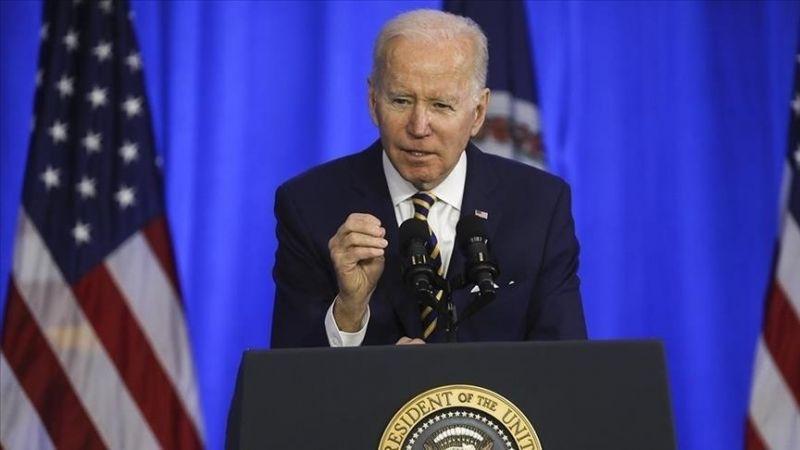
U.S. President Joe Biden on Tuesday signed an Executive Order to ban the import of Russian oil, liquefied natural gas, and coal to the United States – a move that the White House describes as “another blow to Putin’s war machine,” TURAN’s Washington correspondent reports.
Biden’s Executive Order bans:
* The importation into the U.S. of Russian crude oil and certain petroleum products, liquefied natural gas, and coal. Last year, the U.S. imported nearly 700,000 barrels per day of crude oil and refined petroleum products from Russia and this step will deprive Russia of billions of dollars in revenues from U.S. drivers and consumers annually.
* New U.S. investment in Russia’s energy sector, which will ensure that American companies and American investors are not underwriting Putin’s efforts to expand energy production inside Russia.
* Americans will also be prohibited from financing or enabling foreign companies that are making investment to produce energy in Russia.
The U.S. made this decision "in close consultation with our Allies and partners around the world, as well as Members of Congress of both parties,” The White House said in its fact sheet.
While the Biden administration had been hesitant to implement a ban amid escalating gasoline prices, calls to do so from both Democrats and Republicans have surged in recent days.
In his remarks on Tuesday, Biden acknowledged that the sanctions would come with a cost to Americans: “This is a step that we’re taking to inflict further pain on Putin, but there will be costs as well here in the United States.”
In the meantime, the White House assures that Washington is “united with our Allies and partners in working together to reduce our collective dependence on Russian energy and keep the pressure mounting on Putin, while at the same taking active steps to limit impacts on global energy markets and protect our own economies.”
“This announcement builds on unprecedented economic costs the U.S. and our Allies and partners have imposed on Russia. As a result of our historic, multilateral coordination, Russia has become a global economic and financial pariah.”
Over 30 countries representing well over half the world’s economy have announced sanctions that impose immediate and severe economic costs on Russia, cut off access to high-tech technology, sap its growth potential, and weaken its military for years to come.
The Russian ruble is now worth less than a penny and has hit an all-time low after losing almost half of its value since Putin announced his further invasion of Ukraine.
“By isolating Russia’s Central Bank and cutting off the largest Russian banks from the international financial system, we have disarmed his war chest of foreign reserves and left Putin to soften the blow of our sanctions.” The White House says.
U.S. and allied export controls are impacting industrial production in Russia, its commercial aviation, and other key sectors of the Russian economy.
“The United States and governments all over the world are going after Putin’s cronies and their families by identifying and freezing the assets they hold in our respective jurisdictions – their yachts, luxury apartments, money, and other ill-gotten gains.” The White House said.
Alex Raufoglu
Washington D.C.


 Latest news
Latest news
Latest newsBulgaria Asks NATO to Strengthen Its Defences Amid Black Sea Threats: Sofia Fears Growing Risks to Maritime Shipping
16.Oct.2026
Black Sea Shipping Risks Threaten Bulgaria’s 5 Million Tonnes of Wheat Exports
15.Oct.2026
Georgia’s Foreign Funding and Political Ban Laws Draw Criticism from the Venice Commission
15.Oct.2026
Kazakhstan Promotes a Caspian Green Energy Corridor: Astana Seeks New Routes to the European Market
14.Oct.2026
Inflation in Romania Accelerates to 6.61%: Rising Prices Increase Pressure on Households and the Economy
13.Oct.2026
Can Europe Protect the International Criminal Court from Trump’s Sanctions?
13.Oct.2026
Georgia’s Constitutional Court Continues Case on Banning Opposition Parties: Political Pluralism at Stake
12.Oct.2026
Azerbaijan and Iran Step Up Security Contacts Amid Hijab Protests
12.Oct.2026
Personnel Shortages Complicate Ukrainian Forces’ Rotation: Ukraine Faces Long-Term Challenges on the Front Line
11.Oct.2026
Trump Eases Sanctions on Russian Fuel After Talks with Putin: Kyiv Fears Boost to Moscow’s War Revenues
10.Oct.2026
Putin Seeks to Strengthen Russia’s Influence in the Post-Soviet Space Through the CIS
10.Oct.2026
Russia and the South Caucasus: External Pressure, Political Competition and a Crisis of Trust
10.Oct.2026
Peaceful Settlement Between Armenia and Azerbaijan: Moving from Declarations to Implementation
10.Oct.2026
Moldova Ready to Accept as Many Ukrainians as Necessary if Situation Worsens This Winter
09.Oct.2026
Turkmenistan Turns Avaza into a Regional Diplomatic Hub as Caspian, Central Asian and CIS Agendas Converge
08.Oct.2026