
 17 Oct 2026









CSTO Secretary General: a new escalation of the situation in Kazakhstan is impossible
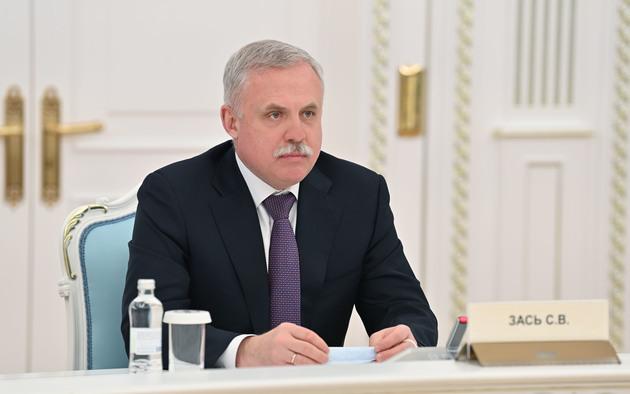
There will be no new escalation of the situation in Kazakhstan, Secretary General of the Collective Security Treaty Organization (CSTO) Stanislav Zas is sure.
"I would not talk about the danger of some kind of revenge or a new surge. I am almost sure that this is impossible, because, firstly, the situation has been taken under control. Secondly, a lot of work is being done to clarify the whole picture and identify all participants. Accordingly, measures will be taken within the framework of the law of the Republic of Kazakhstan," Zas said in an interview with RT.
He pointed out that "not only the Kazakh people, but also the leadership of the country have learned from the situation" that took place in Kazakhstan at the beginning of January.
The events in Kazakhstan, which required the deployment of CSTO peacekeepers, became a lesson. “A little later, in a calm atmosphere, we will analyze this entire process, draw certain conclusions for ourselves and, if necessary, make some adjustments. Another question is that I see no need for a serious restructuring of our activities. Because the system, the mechanisms that we created in the CSTO, they really worked - and they worked well", Zas emphasized.
On Sunday, Russian peacekeepers from the Collective Peacekeeping Forces of the CSTO returned from Kazakhstan, having completed the tasks of protecting socially significant objects in the republic. All 19 aircraft landed at the Chkalovsky airfield near Moscow.
Peacekeeping contingents from Armenia, Belarus and Tajikistan left Kazakhstan on Il-76 military transport aircraft of the Russian Aerospace Forces on January 14. A unit of Kyrgyz peacekeepers has also already returned to the place of permanent disposition.


 Latest news
Latest news
Latest newsBulgaria Asks NATO to Strengthen Its Defences Amid Black Sea Threats: Sofia Fears Growing Risks to Maritime Shipping
16.Oct.2026
Black Sea Shipping Risks Threaten Bulgaria’s 5 Million Tonnes of Wheat Exports
15.Oct.2026
Georgia’s Foreign Funding and Political Ban Laws Draw Criticism from the Venice Commission
15.Oct.2026
Kazakhstan Promotes a Caspian Green Energy Corridor: Astana Seeks New Routes to the European Market
14.Oct.2026
Inflation in Romania Accelerates to 6.61%: Rising Prices Increase Pressure on Households and the Economy
13.Oct.2026
Can Europe Protect the International Criminal Court from Trump’s Sanctions?
13.Oct.2026
Georgia’s Constitutional Court Continues Case on Banning Opposition Parties: Political Pluralism at Stake
12.Oct.2026
Azerbaijan and Iran Step Up Security Contacts Amid Hijab Protests
12.Oct.2026
Personnel Shortages Complicate Ukrainian Forces’ Rotation: Ukraine Faces Long-Term Challenges on the Front Line
11.Oct.2026
Trump Eases Sanctions on Russian Fuel After Talks with Putin: Kyiv Fears Boost to Moscow’s War Revenues
10.Oct.2026
Putin Seeks to Strengthen Russia’s Influence in the Post-Soviet Space Through the CIS
10.Oct.2026
Russia and the South Caucasus: External Pressure, Political Competition and a Crisis of Trust
10.Oct.2026
Peaceful Settlement Between Armenia and Azerbaijan: Moving from Declarations to Implementation
10.Oct.2026
Moldova Ready to Accept as Many Ukrainians as Necessary if Situation Worsens This Winter
09.Oct.2026
Turkmenistan Turns Avaza into a Regional Diplomatic Hub as Caspian, Central Asian and CIS Agendas Converge
08.Oct.2026