
 18 Oct 2026









Armenia sees opportunity for discussion on normalization of relations with Turkey: Pashinyan responds to Erdogan
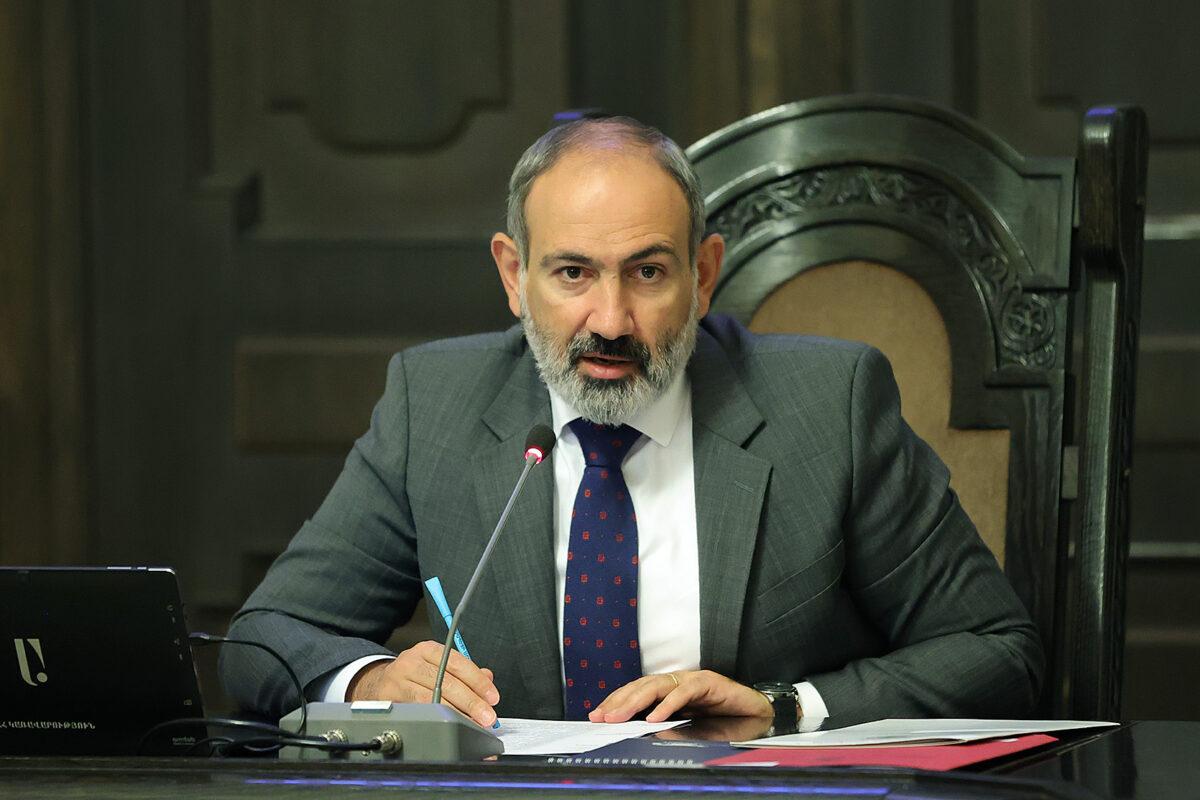
Deepening or normalization n of relations with neighboring countries is an important foreign policy direction of the government, Armenian Prime Minister Nikol Pashinyan said at the government sitting today.
He said it is enshrined in the government’s Action Plan approved by the National Assembly.
The Prime Minister noted that the development of regional communications is high on the agenda in the discussions with Iran and George. In this context he attached importance to the North-South project, which connects Armenia’s border with Iran to he border with Georgia.
“The establishment of rail communication with Russia and Iran is also very important to us. To solve the issue we are discussing the reopening of communications in the trilateral Armenia-Azerbaijan-Russia format. We are resolute to make efforts to achieve concrete results, aware that Azerbaijan, in turn, expects to get communication between its western regions and Nakhijevan,” Pashinyan said.
He reiterated Armenia’s willingness to resume the peace process with Azerbaijan within the framework of the OSCE Minsk Group co-chairmanship format.
PM Pashinyan attached importance to the agenda of delimitation and demarcation of the border with Azerbaijan and noted that the Armenian side continues to work to establish due conditions.
“We hope to complete the process of return of prisoners of war, captives and other detainees to Armenia as soon as possible,” he added.
Referring to Turkish President Recep Tayyip Erdogan’s latest statements, Nikol Pashinyan said “we see an opportunity to talk about normalization of Armenian-Turkish relations, recommissioning the rail and road communication.”
“We are ready for such conversation, which could get a broader framework against the background of the above. In a broader sense it is about making the region a crossroad between the East and the West, the North and the South,” the PM stated.


 Latest news
Latest news
Latest newsBulgaria Asks NATO to Strengthen Its Defences Amid Black Sea Threats: Sofia Fears Growing Risks to Maritime Shipping
16.Oct.2026
Black Sea Shipping Risks Threaten Bulgaria’s 5 Million Tonnes of Wheat Exports
15.Oct.2026
Georgia’s Foreign Funding and Political Ban Laws Draw Criticism from the Venice Commission
15.Oct.2026
Kazakhstan Promotes a Caspian Green Energy Corridor: Astana Seeks New Routes to the European Market
14.Oct.2026
Inflation in Romania Accelerates to 6.61%: Rising Prices Increase Pressure on Households and the Economy
13.Oct.2026
Can Europe Protect the International Criminal Court from Trump’s Sanctions?
13.Oct.2026
Georgia’s Constitutional Court Continues Case on Banning Opposition Parties: Political Pluralism at Stake
12.Oct.2026
Azerbaijan and Iran Step Up Security Contacts Amid Hijab Protests
12.Oct.2026
Personnel Shortages Complicate Ukrainian Forces’ Rotation: Ukraine Faces Long-Term Challenges on the Front Line
11.Oct.2026
Trump Eases Sanctions on Russian Fuel After Talks with Putin: Kyiv Fears Boost to Moscow’s War Revenues
10.Oct.2026
Putin Seeks to Strengthen Russia’s Influence in the Post-Soviet Space Through the CIS
10.Oct.2026
Russia and the South Caucasus: External Pressure, Political Competition and a Crisis of Trust
10.Oct.2026
Peaceful Settlement Between Armenia and Azerbaijan: Moving from Declarations to Implementation
10.Oct.2026
Moldova Ready to Accept as Many Ukrainians as Necessary if Situation Worsens This Winter
09.Oct.2026
Turkmenistan Turns Avaza into a Regional Diplomatic Hub as Caspian, Central Asian and CIS Agendas Converge
08.Oct.2026