
 18 Oct 2026









Russia displeased with Armenia's provocations in Zangezur
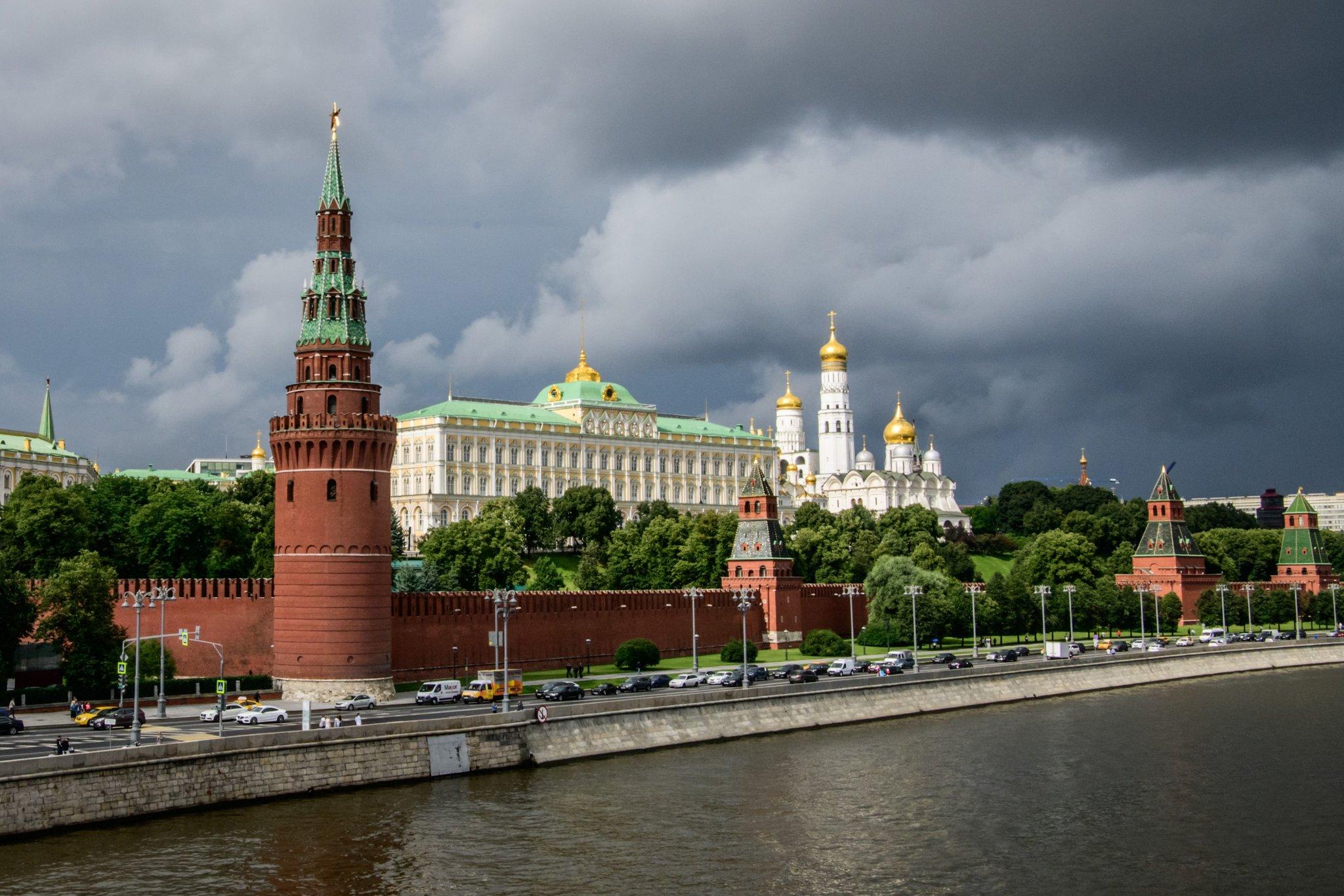
Russian President Vladimir Putin is convinced of the absence of any alternative to the implementation of the trilateral statement on Karabakh, Kremlin spokesperson Dmitry Peskov told journalists today.
The president is a staunch supporter of the lack of alternatives to the implementation of the clauses of the trilateral statement of November 10, 2020, and now active efforts are being made to relieve tension and resolve the situation on the Armenian-Azerbaijani border, Peskov said.
The spokesperson added that Russia is in constant contact with Azerbaijan and Armenia on the issue of resolving the situation in Karabakh.
Today, statements by both the Armenian and Azerbaijani leaders were published, which allow one to judge who was in the first place addressed by Peskov's statement stressing Vladimir Putin's demand to unconditionally fulfill the trilateral agreements.
Azerbaijani President Ilham Aliyev, speaking with his Kazakhstan's President Kassym-Jomart Tokayev, said that there was no border clash with Armenia and that the situation was stable. He described as baseless Armenia’s address to the Russian-led Collective Security Treaty Organization (CSTO), describing it as Armenia’s attempt to internationalize the issue.
Acting Prime Minister of Armenia Nikol Pashinyan said at a meeting of the Armenian Security Council that there is a trend towards the escalation of tensions and aggression of Azerbaijani forces on certain swathes of the Armenian-Azerbaijani border - although all these days the military of both negotiated peacefully, not a single shot was fired. He also rejected the very possibility of negotiations with Azerbaijan on the opening of the Zangezur corridor, and said that Armenia will initiate procedures in accordance with the Collective Security Treaty and the Armenian-Russian strategic system.
Thus, Azerbaijan reported that the situation is developing, it is stable and controlled, while Armenia speaks of tension, calls for Russia's help and refuses to fulfill the agreements on opening transport communications in the region.
That's what Moscow is worried about - Armenia is not only reluctant to recognize the legitimacy of Azerbaijan's control over Garagel and the territories around it, but also demands Russia's help in maintaining the occupation of this territory, while trying to delete the clause on opening of direct communication between Nakhchivan and Zangilan from the November and January agreements. In such conditions, the Kremlin's negative reaction to Yerevan's behavior is quite expected, and one can only welcome that Russia is consistently pursuing a policy of observing its own national interests in the South Caucasus.
As Peskov said, Russia "is making vigorous efforts to defuse tensions" in the region created by Armenia. Both the Armenian authorities and the opposition seek to use the Garagel incident for political purposes, however, because of the republic's internal affairs, the entire post-war settlement process is threatened. It is not yet clear whether such provocations will come to naught after the elections: both Pashinyan and his opponents continue to use a conflict rhetoric, which means that it is too early for everyone, including Russian peacekeepers, to relax in the South Caucasus: the CSTO ally is able to get Moscow in a lot of trouble on the way to the implementation of the November 9 and January 11 statements.


 Latest news
Latest news
Latest newsBulgaria Asks NATO to Strengthen Its Defences Amid Black Sea Threats: Sofia Fears Growing Risks to Maritime Shipping
16.Oct.2026
Black Sea Shipping Risks Threaten Bulgaria’s 5 Million Tonnes of Wheat Exports
15.Oct.2026
Georgia’s Foreign Funding and Political Ban Laws Draw Criticism from the Venice Commission
15.Oct.2026
Kazakhstan Promotes a Caspian Green Energy Corridor: Astana Seeks New Routes to the European Market
14.Oct.2026
Inflation in Romania Accelerates to 6.61%: Rising Prices Increase Pressure on Households and the Economy
13.Oct.2026
Can Europe Protect the International Criminal Court from Trump’s Sanctions?
13.Oct.2026
Georgia’s Constitutional Court Continues Case on Banning Opposition Parties: Political Pluralism at Stake
12.Oct.2026
Azerbaijan and Iran Step Up Security Contacts Amid Hijab Protests
12.Oct.2026
Personnel Shortages Complicate Ukrainian Forces’ Rotation: Ukraine Faces Long-Term Challenges on the Front Line
11.Oct.2026
Trump Eases Sanctions on Russian Fuel After Talks with Putin: Kyiv Fears Boost to Moscow’s War Revenues
10.Oct.2026
Putin Seeks to Strengthen Russia’s Influence in the Post-Soviet Space Through the CIS
10.Oct.2026
Russia and the South Caucasus: External Pressure, Political Competition and a Crisis of Trust
10.Oct.2026
Peaceful Settlement Between Armenia and Azerbaijan: Moving from Declarations to Implementation
10.Oct.2026
Moldova Ready to Accept as Many Ukrainians as Necessary if Situation Worsens This Winter
09.Oct.2026
Turkmenistan Turns Avaza into a Regional Diplomatic Hub as Caspian, Central Asian and CIS Agendas Converge
08.Oct.2026