
 18 Oct 2026









What can undermine peace process between Azerbaijan and Armenia
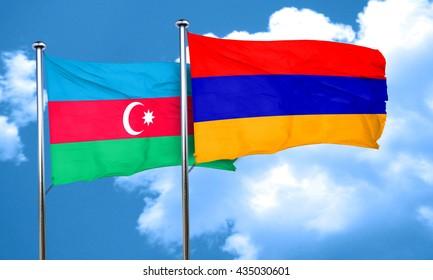
President Aliyev and other representatives of the Azerbaijani government continue to repeatedly raise concerns about the threats to the precarious balance established by last autumn’s trilateral accord and to subsequent peace initiatives, The Jamestown Foundation writes.
The transfer of Armenian forces to the Karabakh region is seen as a particularly formidable threat by the Azerbaijani authorities, as this poses multiple challenges to Baku’s security policies. First, these deployments are at odds with the fourth article of the trilateral statement, which commits Armenia to withdraw its military units from the region concurrently with the deployment of Russian peacekeepers. Second, the introduction of additional Armenian military personnel, coupled with Yerevan’s refusal to acknowledge the results of the war, undermines efforts to establish a durable peace, especially in a region currently under the control of a Russian peacekeeping contingent. Third, the eastward transit of Armenian troops into Karabakh breaches the agreement between the sides concerning the use of the “Lachin Corridor” only for humanitarian purposes, which is supposed to be supervised by the peacekeepers as they control all movement through the corridor. This all creates an insecure situation that might spiral out of control and risk new armed confrontations in the future.
In his letter addressed to the secretary general of the United Nations on March 1, 2021, Azerbaijan’s Foreign Minister Jeyhun Bayramov warned against this threat declaring, “According to the credible information available to the Azerbaijani side, which is also validated by the reports of independent mass media sources, members of [the] Armed Forces of Armenia, wearing civilian dress, are transferred to the territory of Azerbaijan through the ‘Lachin Corridor’ in civilian trucks, including disguised among the construction cargo, in an attempt to escape the control procedures of the Russian peacekeeping contingent”.
Azerbaijan asserts that Russia, as the principal guarantor of the ceasefire established by the trilateral accord, bears the responsibility to counter the attempts to violate the November 9 agreement. This is likely why President Aliyev, in his four-hour-long press conference with the representatives of local and foreign media on February 26, responding to a question about the possibility of the rejection of this accord by Armenia in the future, reminded that “there is a signature of the President of Russia on the document, and he [Vladimir Putin] acts as the guarantor of this document”. Aliyev reiterated Putin’s warning against attempts to back out of the ceasefire deal and the Kremlin leader’s identification of this possibility as “suicidal” for Armenia.
On March 5, addressing the seventh assembly of the ruling New Azerbaijan Party (YAP), President Aliyev, who is simultaneously the party chairperson, for the first time talked about another threat to the full implementation of the trilateral accord. “Armenia refuses to cooperate [in the opening of regional transportation and communication links]. Now they want to hinder the building of the Zangazur corridor,” referring to the ninth clause of the November statement about the opening of a land connection between Azerbaijan proper and Nakhchivan Autonomous Republic across southern Armenia. He assured that Yerevan will not be able to prevent this.
These threats and challenges to the post-war peace process are exacerbated by the Armenian side’s refusal to characterize the Karabakh conflict as “resolved”. The domestic political instability in Armenia and the pressure posed by more hardline political and military forces to the government of Prime Minister Nikol Pashinyan further strain tensions between Yerevan and Baku, necessitating vigilance and intervention on the part of the international community against destructive trends in the region. However, as the last three decades tragically demonstrated, the only way to achieve enduring peace is for all sides of the conflict to accept new security architecture based on the principle of territorial integrity and mutual respect for international borders—on the basis of which, minority rights can then be developed.
19.03.2021 07:58


 Latest news
Latest news
Latest newsBulgaria Asks NATO to Strengthen Its Defences Amid Black Sea Threats: Sofia Fears Growing Risks to Maritime Shipping
16.Oct.2026
Black Sea Shipping Risks Threaten Bulgaria’s 5 Million Tonnes of Wheat Exports
15.Oct.2026
Georgia’s Foreign Funding and Political Ban Laws Draw Criticism from the Venice Commission
15.Oct.2026
Kazakhstan Promotes a Caspian Green Energy Corridor: Astana Seeks New Routes to the European Market
14.Oct.2026
Inflation in Romania Accelerates to 6.61%: Rising Prices Increase Pressure on Households and the Economy
13.Oct.2026
Can Europe Protect the International Criminal Court from Trump’s Sanctions?
13.Oct.2026
Georgia’s Constitutional Court Continues Case on Banning Opposition Parties: Political Pluralism at Stake
12.Oct.2026
Azerbaijan and Iran Step Up Security Contacts Amid Hijab Protests
12.Oct.2026
Personnel Shortages Complicate Ukrainian Forces’ Rotation: Ukraine Faces Long-Term Challenges on the Front Line
11.Oct.2026
Trump Eases Sanctions on Russian Fuel After Talks with Putin: Kyiv Fears Boost to Moscow’s War Revenues
10.Oct.2026
Putin Seeks to Strengthen Russia’s Influence in the Post-Soviet Space Through the CIS
10.Oct.2026
Russia and the South Caucasus: External Pressure, Political Competition and a Crisis of Trust
10.Oct.2026
Peaceful Settlement Between Armenia and Azerbaijan: Moving from Declarations to Implementation
10.Oct.2026
Moldova Ready to Accept as Many Ukrainians as Necessary if Situation Worsens This Winter
09.Oct.2026
Turkmenistan Turns Avaza into a Regional Diplomatic Hub as Caspian, Central Asian and CIS Agendas Converge
08.Oct.2026