
 17 Oct 2026









PM Pashinyan on constitutional referendum: We cannot tolerate such situation
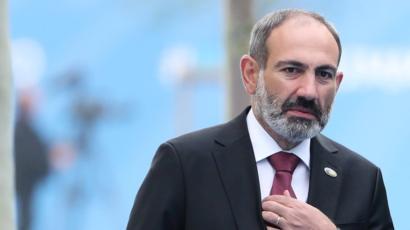
We will have the Constitutional Court envisioned from our constitution in 2035, not a day before, because the representatives of the previous government, as a result of certain manipulations, for example, have elected the Constitutional Court (CC) president who shall hold office until 2035. Armenia’s Prime Minister Nikol Pashinyan stated this during a February 13 discussion at the Friedrich Ebert Foundation (Friedrich-Ebert-Stiftung), News.am reports.
"That is to say, in spite of our Constitution, no CC presidential election will be held for 18 years," he added, in particular.
According to Pashinyan, although the Constitution stipulates that CC judges can serve for 12 years, as a result of these legislative manipulations, if nothing changes, the majority of CC members shall be in office for 25-30 years.
"This is just an unacceptable situation for us," he added. “The existence of such a CC in general casts doubt on the system of institutional reforms in Armenia, because it is a party CC, and that party is the party which led Armenia into a corrupt system and which today dreams of failing democracy in Armenia.
We cannot tolerate such a situation. And what have we done? We have put the issue to a nationwide referendum, whereby we propose that those CC members whose tenure does not meet the conditions and requirements set by the current Constitution will be terminated, and that we have a CC that meets the Constitution."
He added that the judicial reform is now on the National Assembly’s agenda, according to which all newly appointed judges will pass an integrity check at the Corruption Prevention Commission.
"The impartiality of our judges is a mandatory condition, and we must provide such conditions," Pashinyan added. “Armenia exists and will continue to be a democratic state. I hope that all our international partners will support our country in continuing this important process."


 Latest news
Latest news
Latest newsBulgaria Asks NATO to Strengthen Its Defences Amid Black Sea Threats: Sofia Fears Growing Risks to Maritime Shipping
16.Oct.2026
Black Sea Shipping Risks Threaten Bulgaria’s 5 Million Tonnes of Wheat Exports
15.Oct.2026
Georgia’s Foreign Funding and Political Ban Laws Draw Criticism from the Venice Commission
15.Oct.2026
Kazakhstan Promotes a Caspian Green Energy Corridor: Astana Seeks New Routes to the European Market
14.Oct.2026
Inflation in Romania Accelerates to 6.61%: Rising Prices Increase Pressure on Households and the Economy
13.Oct.2026
Can Europe Protect the International Criminal Court from Trump’s Sanctions?
13.Oct.2026
Georgia’s Constitutional Court Continues Case on Banning Opposition Parties: Political Pluralism at Stake
12.Oct.2026
Azerbaijan and Iran Step Up Security Contacts Amid Hijab Protests
12.Oct.2026
Personnel Shortages Complicate Ukrainian Forces’ Rotation: Ukraine Faces Long-Term Challenges on the Front Line
11.Oct.2026
Trump Eases Sanctions on Russian Fuel After Talks with Putin: Kyiv Fears Boost to Moscow’s War Revenues
10.Oct.2026
Putin Seeks to Strengthen Russia’s Influence in the Post-Soviet Space Through the CIS
10.Oct.2026
Russia and the South Caucasus: External Pressure, Political Competition and a Crisis of Trust
10.Oct.2026
Peaceful Settlement Between Armenia and Azerbaijan: Moving from Declarations to Implementation
10.Oct.2026
Moldova Ready to Accept as Many Ukrainians as Necessary if Situation Worsens This Winter
09.Oct.2026
Turkmenistan Turns Avaza into a Regional Diplomatic Hub as Caspian, Central Asian and CIS Agendas Converge
08.Oct.2026