
 17 Oct 2026









EU-Armenia Partnership Pact enters into force today
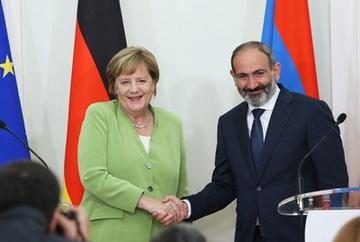
The European Union-Armenia Comprehensive and Enhanced Partnership Agreement (CEPA) enters into force today, on March 1, 2021. It has been ratified by Armenia, all EU Member States and the European Parliament. According to the European Commission's press service, this represents an important milestone for EU-Armenia relations.
The CEPA represents an "important milestone" in relations between the two sides, the EU said.
EU foreign policy chief Josep Borrell said the agreement "sends a strong signal" that the EU and Armenia are committed to supporting democratic principles, the rule of law, and a broad reform agenda.
"Across political, economic, trade, and other sectoral areas, our agreement aims to bring positive change to people’s lives, to overcome challenges to Armenia’s reforms agenda," Borrell said in a statement.
The EU said the pact will strengthen ties on such issues as the economy, transport, digitalization, green energy, and the judicial system. "The agreement plays an important role for the modernization of Armenia, in particular through legislative approximation to EU norms in many sectors," RFE/RL cited him as saying.
Both sides signed the agreement in November 2017 and it was subsequently ratified by Armenia, all EU member states, and the European Parliament.
The agreement is a less ambitious alternative to an Association Agreement negotiated by Armenian and EU officials in 2013.
Former Armenian President Serzh Sarkisian unexpectedly scuttled that deal in 2013 after Russian President Vladimir Putin visited Yerevan.
Armenia went on to join the Russia-led Eurasian Economic Union (EEU) trade bloc in 2015.
CEPA does not include the removal of tariff barriers between Armenia and the EU due to Armenia’s membership in the EEU.


 Latest news
Latest news
Latest newsBulgaria Asks NATO to Strengthen Its Defences Amid Black Sea Threats: Sofia Fears Growing Risks to Maritime Shipping
16.Oct.2026
Black Sea Shipping Risks Threaten Bulgaria’s 5 Million Tonnes of Wheat Exports
15.Oct.2026
Georgia’s Foreign Funding and Political Ban Laws Draw Criticism from the Venice Commission
15.Oct.2026
Kazakhstan Promotes a Caspian Green Energy Corridor: Astana Seeks New Routes to the European Market
14.Oct.2026
Inflation in Romania Accelerates to 6.61%: Rising Prices Increase Pressure on Households and the Economy
13.Oct.2026
Can Europe Protect the International Criminal Court from Trump’s Sanctions?
13.Oct.2026
Georgia’s Constitutional Court Continues Case on Banning Opposition Parties: Political Pluralism at Stake
12.Oct.2026
Azerbaijan and Iran Step Up Security Contacts Amid Hijab Protests
12.Oct.2026
Personnel Shortages Complicate Ukrainian Forces’ Rotation: Ukraine Faces Long-Term Challenges on the Front Line
11.Oct.2026
Trump Eases Sanctions on Russian Fuel After Talks with Putin: Kyiv Fears Boost to Moscow’s War Revenues
10.Oct.2026
Putin Seeks to Strengthen Russia’s Influence in the Post-Soviet Space Through the CIS
10.Oct.2026
Russia and the South Caucasus: External Pressure, Political Competition and a Crisis of Trust
10.Oct.2026
Peaceful Settlement Between Armenia and Azerbaijan: Moving from Declarations to Implementation
10.Oct.2026
Moldova Ready to Accept as Many Ukrainians as Necessary if Situation Worsens This Winter
09.Oct.2026
Turkmenistan Turns Avaza into a Regional Diplomatic Hub as Caspian, Central Asian and CIS Agendas Converge
08.Oct.2026