
 17 Oct 2026









What to expect from Zarif's visit to Russia and the South Caucasus
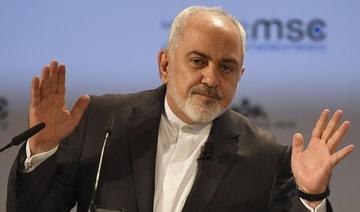
The Iranian Foreign Ministry has announced a large-scale tour of Foreign Minister Mohammad Javad Zarif to Russia and the South Caucasus. On January 24-25 he will hold negotiations with the leadership of Azerbaijan, on January 26 he will visit Moscow, and on January 27 in Yerevan. The main topic of discussion will be the future of Nagorno-Karabakh. Tehran is trying to probe the current situation in the region. In Baku, Zarif will discuss the delimitation of the de-occupied section of the state border between Azerbaijan and Iran.
In addition, Tehran hopes to dispel rumors of a stronger Turkish presence in Azerbaijan. The fact is that Azerbaijan, along with Russia and China, is considered one of Tehran's closest partners, and Turkey is Iran's competitor in the Middle East. Moreover, Baku maintains close partnership relations with the Iranian leadership, despite the threat of sanctions pressure from the West.
The tour is intended to instill confidence in Tehran that it can soon count on the South Caucasus region, including Russia, in overcoming the sanctions pressure. US sanctions are seriously damaging the Iranian economy. The administration of US President Joseph Biden has not yet announced its strategy with regard to Iran, and the EU countries, on which a lot depends in the Iranian economy, have not risked going against the American bans. All this forces pragmatic Tehran not to lose sight of the slightest changes in the regional policy of the South Caucasus, especially since Iran has no illusions that the United States will soon discuss the issues of easing sanctions policy and return to the framework of the nuclear deal.
Probably, key issues of cooperation in the field of infrastructure projects will be discussed both in Baku and in Moscow, if only because the Russian state corporation Russian Railways owns all the railways of Armenia, participates in the construction of a section of the railway artery that will connect Azerbaijan with the Nakhchivan Autonomous Republic, and Armenia will provide a rail link to Russia and Iran. Finally, the railway communication between Russia and Turkey will be restored, which was interrupted as a result of the Georgian-Abkhaz conflict.
Tehran welcomes the peacekeeping mission in Karabakh and the fact that the parties can temporarily postpone the problems that are not being resolved at the current stage, but are ready to move forward where possible - first of all, in the area of unblocking the regions. Obviously, Tehran wants to take part in this process, especially since the future railway artery, which should pass through the Armenian city of Meghri, is located in close proximity to the Iranian border. In the coming years, a new railway will be built on the territory of Karabakh, which will change the transport configuration of the entire Caucasus. Part of the work on road rehabilitation has already begun: in December, with the assistance of Russian experts, an initial survey of the border sections of the railway infrastructure in Nakhchivan and Armenia was carried out.
There is also an important political aspect of the post-war world order in Karabakh. The West has largely lost its position in the Karabakh settlement, but this does not mean that the extra-regional forces will not try to restore the previous balance of power by slowing down the peacekeeping process. In this regard, Iran, conservative in regional security issues, assesses the situation in such a way that neutrality can become a problem for the Iranian leadership, especially if the interests of the Biden administration affect the South Caucasus.


 Latest news
Latest news
Latest newsBulgaria Asks NATO to Strengthen Its Defences Amid Black Sea Threats: Sofia Fears Growing Risks to Maritime Shipping
16.Oct.2026
Black Sea Shipping Risks Threaten Bulgaria’s 5 Million Tonnes of Wheat Exports
15.Oct.2026
Georgia’s Foreign Funding and Political Ban Laws Draw Criticism from the Venice Commission
15.Oct.2026
Kazakhstan Promotes a Caspian Green Energy Corridor: Astana Seeks New Routes to the European Market
14.Oct.2026
Inflation in Romania Accelerates to 6.61%: Rising Prices Increase Pressure on Households and the Economy
13.Oct.2026
Can Europe Protect the International Criminal Court from Trump’s Sanctions?
13.Oct.2026
Georgia’s Constitutional Court Continues Case on Banning Opposition Parties: Political Pluralism at Stake
12.Oct.2026
Azerbaijan and Iran Step Up Security Contacts Amid Hijab Protests
12.Oct.2026
Personnel Shortages Complicate Ukrainian Forces’ Rotation: Ukraine Faces Long-Term Challenges on the Front Line
11.Oct.2026
Trump Eases Sanctions on Russian Fuel After Talks with Putin: Kyiv Fears Boost to Moscow’s War Revenues
10.Oct.2026
Putin Seeks to Strengthen Russia’s Influence in the Post-Soviet Space Through the CIS
10.Oct.2026
Russia and the South Caucasus: External Pressure, Political Competition and a Crisis of Trust
10.Oct.2026
Peaceful Settlement Between Armenia and Azerbaijan: Moving from Declarations to Implementation
10.Oct.2026
Moldova Ready to Accept as Many Ukrainians as Necessary if Situation Worsens This Winter
09.Oct.2026
Turkmenistan Turns Avaza into a Regional Diplomatic Hub as Caspian, Central Asian and CIS Agendas Converge
08.Oct.2026